The stadium built on a tip of rubble and a 100-year curse
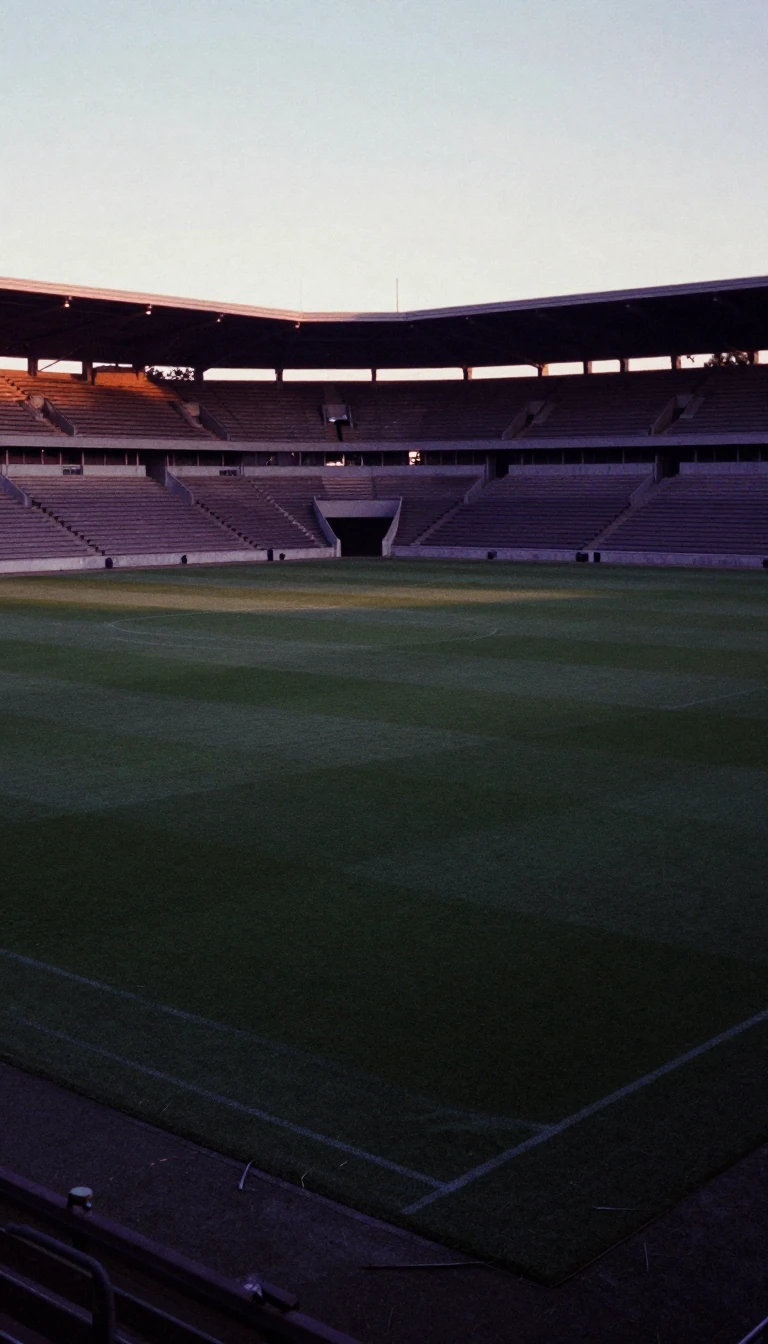
In short: St Andrew's wasn't born from a master architect's blueprint. It was engineered by a local carpenter, built on a site of stagnant water, and raised using 100,000 loads of public rubbish. It is a monument to DIY grit, wartime survival, and a literal mountain of waste.
In 1906, Birmingham City Football Club faced a crisis: their home at Muntz Street was too small and the landlords refused to sell. Director Harry Morris identified a nearby site described as a "wilderness of stagnant water and muddy slopes." To make it viable, the club had to drain artesian springs and block them with tons of rubble. To create the elevation needed for the famous Spion Kop, they offered the site as a public tip. Local residents paid £800 to dump an estimated 100,000 loads of rubbish, creating an embankment that stood 110 terraces high.
The construction was a triumph of in-house ingenuity over professional polish. The club hired a local carpenter, Harry Pumfrey, as a surveyor and engineer despite his lack of qualifications. By using a builder as the clerk of works, the club saved over £2,000 in professional fees. This DIY approach was so successful that the plans were said to have "done credit to the most expensive professional architect." However, local lore suggests the ground was haunted by a 100-year curse laid by gypsies evicted from the site, though historical evidence of such an eviction remains unconfirmed.
The stadium's history is marked by extreme physical endurance. During WWII, it was the only football ground in England to remain closed due to its proximity to munitions factories, until public pressure forced it open in 1940. It later suffered 20 direct hits from Luftwaffe bombing in 1941, destroying the Kop's roof. A petrol bucket confused with water by a firefighter caused a 1943 blaze that destroyed the Main Stand. These scars eventually led to a massive redevelopment in the 1990s, transforming the site from a dilapidated, high-capacity terrace into a modern all-seater stadium with a capacity of 29,409.
Opens the Intellect+ feed with this card first. Swipe up for the next one.
Sources
- Summary by Intellect · source: St Andrew's (stadium)
To cite this card, link to https://intellectplus.co.uk/app/sport-st-andrew-s-stadium.
How we source, check and correct cards: Editorial standards.
General information, not professional advice. Spotted an error? Flag the card or see corrections and complaints.
Intellect Plus is a visual educational discovery platform for exploring fascinating facts and ideas. Brain Food, Not Brain Rot. What is Intellect Plus?
Related
More in Stadiums & venues · More in Sport & Games · Latest · A–Z · All topics
