How a small German town became a global powerhouse of optics and philosophy
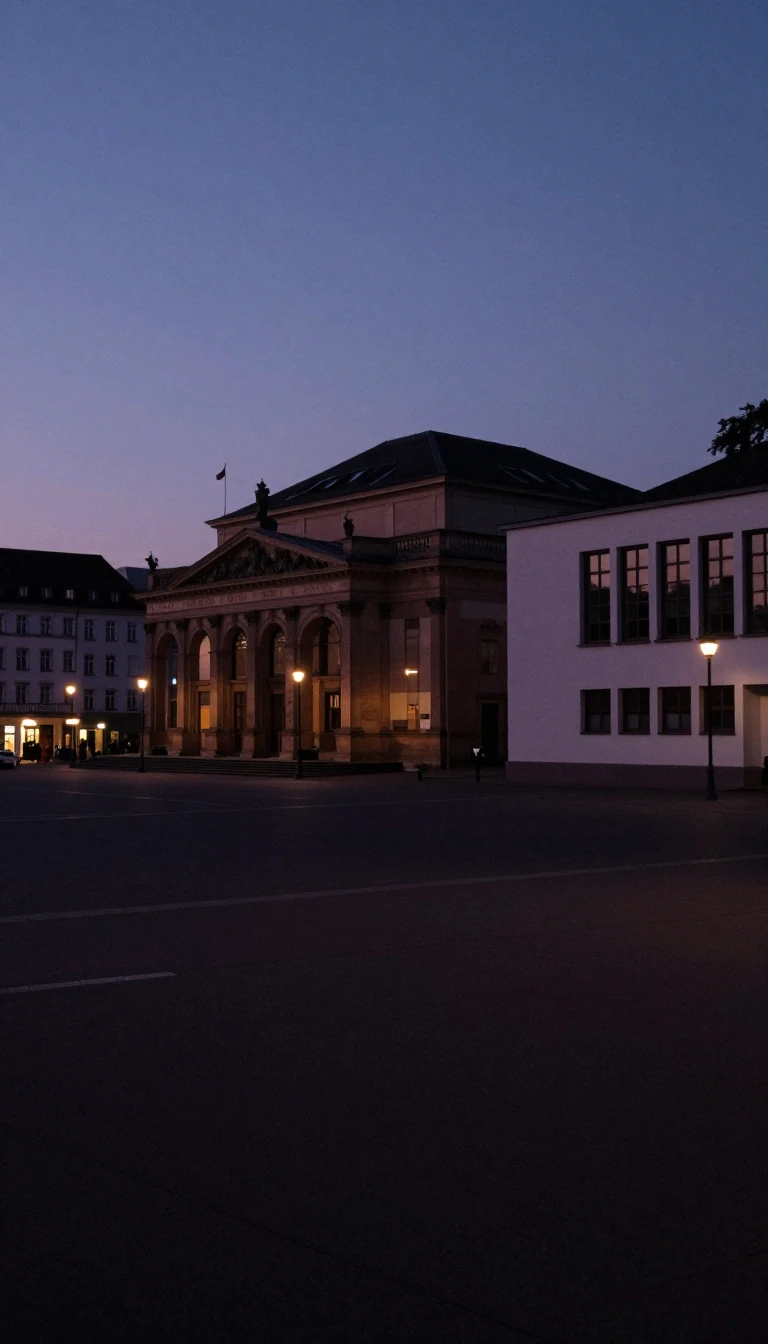
In short: Jena transformed from a quiet medieval wine-growing village into a world-renowned center for high-technology research and idealist philosophy. By leveraging its university and pioneering industrial social reforms, this Thuringian city navigated centuries of political upheaval, war, and economic transition to emerge as a leading hub in eastern Germany.
First mentioned in 1182, Jena spent centuries as a modest town defined by its location on the Saale river. Its trajectory shifted dramatically with the 1558 founding of the University of Jena, which became a vital economic engine after the local wine industry declined during the Little Ice Age. By the late 18th century, the university had established Jena as a intellectual epicenter, hosting luminaries like Friedrich Schiller, Georg Wilhelm Friedrich Hegel, and Johann Gottlieb Fichte, who collectively shaped the era of German Romanticism and idealist philosophy.
The 19th century brought a second, industrial revolution. The arrival of the railway in the 1870s catalyzed a boom in the optical and precision instrument sectors, led by visionaries Carl Zeiss, Ernst Abbe, and Otto Schott. These figures were not merely industrialists; they were social reformers. Upon his death in 1889, Zeiss bequeathed his company to a foundation that channeled profits into social benefits and university research—a model that influenced major German corporations like Robert Bosch. This industrial success fueled rapid population growth, turning the academic town into a working-class city of over 70,000 by the start of World War II.
Jena’s history is marked by extreme volatility. It suffered heavy damage during 1945 Allied bombing raids and later endured the dismantling of its factories by Soviet forces following the war. During the GDR era, the city became a site of significant political tension, including the 1953 uprising against state policies. Despite these challenges, Jena successfully transitioned to a market economy after 1990. Today, it remains a high-tech research hub, balancing its rich academic heritage with a modern economy focused on software, biotechnology, and precision optics, while maintaining its unique identity within the hilly landscape of eastern Thuringia.
Opens the Intellect+ feed with this card first. Swipe up for the next one.
Sources
- Summary by Intellect · source: Jena
- Also: Wikidata — Jena · CC0
To cite this card, link to https://intellectplus.co.uk/app/sport-jena.
How we source, check and correct cards: Editorial standards.
General information, not professional advice. Spotted an error? Flag the card or see corrections and complaints.
Intellect Plus is a visual educational discovery platform for exploring fascinating facts and ideas. Brain Food, Not Brain Rot. What is Intellect Plus?
Related
More in History · Latest · A–Z · All topics
