How a small German city became the intellectual heart of the European Enlightenment
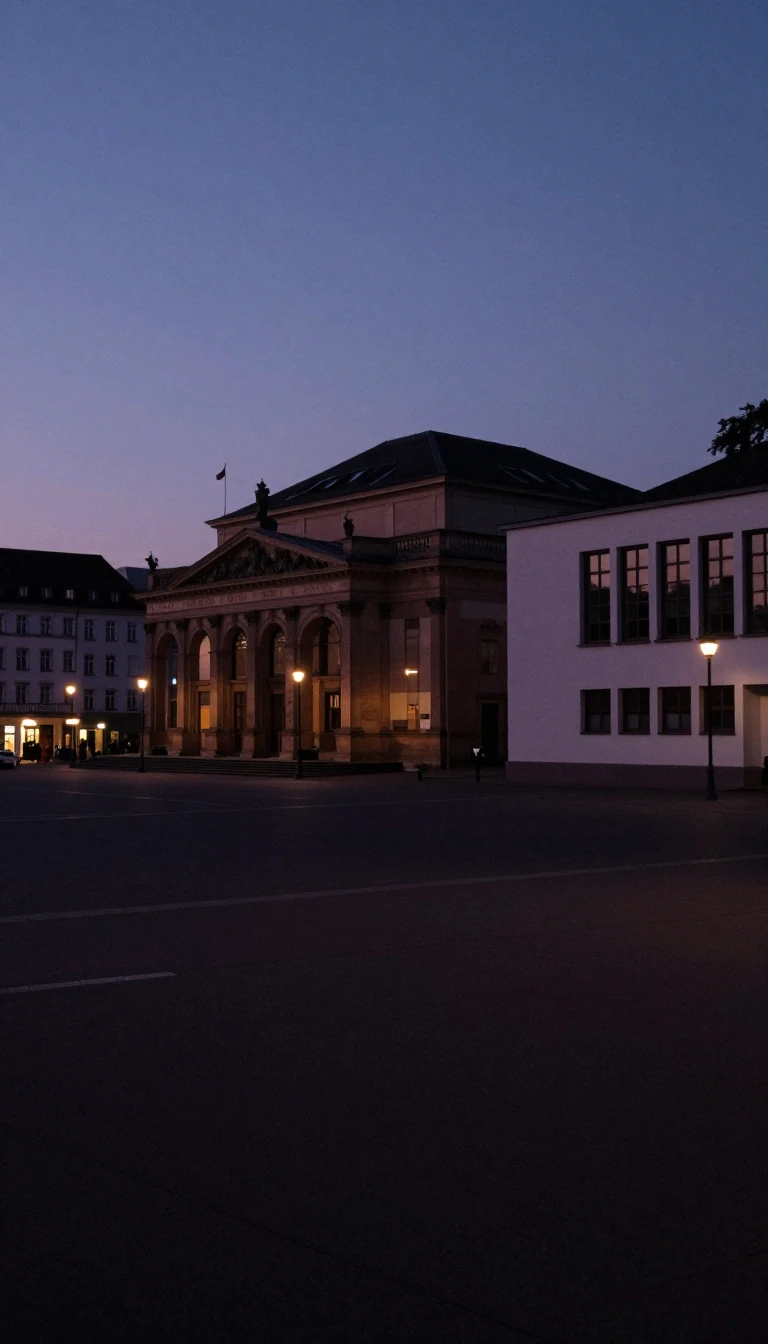
In short: Weimar was once the epicenter of a profound cultural shift, drawing the era's most brilliant minds to its streets. Between 1772 and 1805, this city transformed into a global hub for philosophy and literature, leaving behind a collection of architectural treasures that now define its status as a UNESCO World Heritage Site.
Inscribed as a UNESCO World Heritage Site on December 2, 1998, Classical Weimar encompasses 11 distinct locations that capture the city's rapid evolution during the 18th and early 19th centuries. This period, known as Weimar Classicism, was driven by a circle of influential thinkers who converged on the city. Among these luminaries were the polymath Johann Wolfgang von Goethe, the poet Friedrich Schiller, the theologian Johann Gottfried Herder, and the writer Christoph Martin Wieland. Their collective work turned the city into a beacon of the Enlightenment, fostering an environment where art, philosophy, and literature could flourish in tandem.
The physical landscape of the city serves as a testament to this intellectual explosion. The sites include a variety of residential and public structures that reflect the architectural trends of the time. For instance, the home of Goethe, constructed in the Baroque style between 1707 and 1709, stands alongside his garden retreat. Similarly, the residence of Schiller, built in 1777, incorporates older elements from the 16th century, showcasing the layered history of the urban environment. Other notable locations include the Herder Church, the Wittumspalais, and various ducal estates like Schloss Belvedere and Schloss Tiefurt, which served as the summer residence for Duchess Anna Amalia of Brunswick-Wolfenbüttel.
Beyond the individual buildings, the site represents a cohesive cultural movement that prioritized humanistic values and aesthetic refinement. The inclusion of the Historical Cemetery and the Princes' Tomb underscores the lasting legacy of the figures who shaped this era. By preserving these spaces, the site offers a window into a time when Weimar functioned as a vital laboratory for European thought. The architecture does not merely house these individuals; it documents the rapid cultural development that occurred as these thinkers engaged with one another, ultimately cementing the city's reputation as a pivotal center of the Enlightenment that continues to influence modern intellectual history.
Opens the Intellect+ feed with this card first. Swipe up for the next one.
Sources
- Summary by Intellect · source: Classical Weimar (World Heritage Site)
To cite this card, link to https://intellectplus.co.uk/app/places-classical-weimar-world-heritage-site.
How we source, check and correct cards: Editorial standards.
General information, not professional advice. Spotted an error? Flag the card or see corrections and complaints.
Intellect Plus is a visual educational discovery platform for exploring fascinating facts and ideas. Brain Food, Not Brain Rot. What is Intellect Plus?
Related
More in World Heritage Sites · More in Countries & Cities · Latest · A–Z · All topics
