Are Korea's ancient martial arts truly ancient, or are they modern inventions?
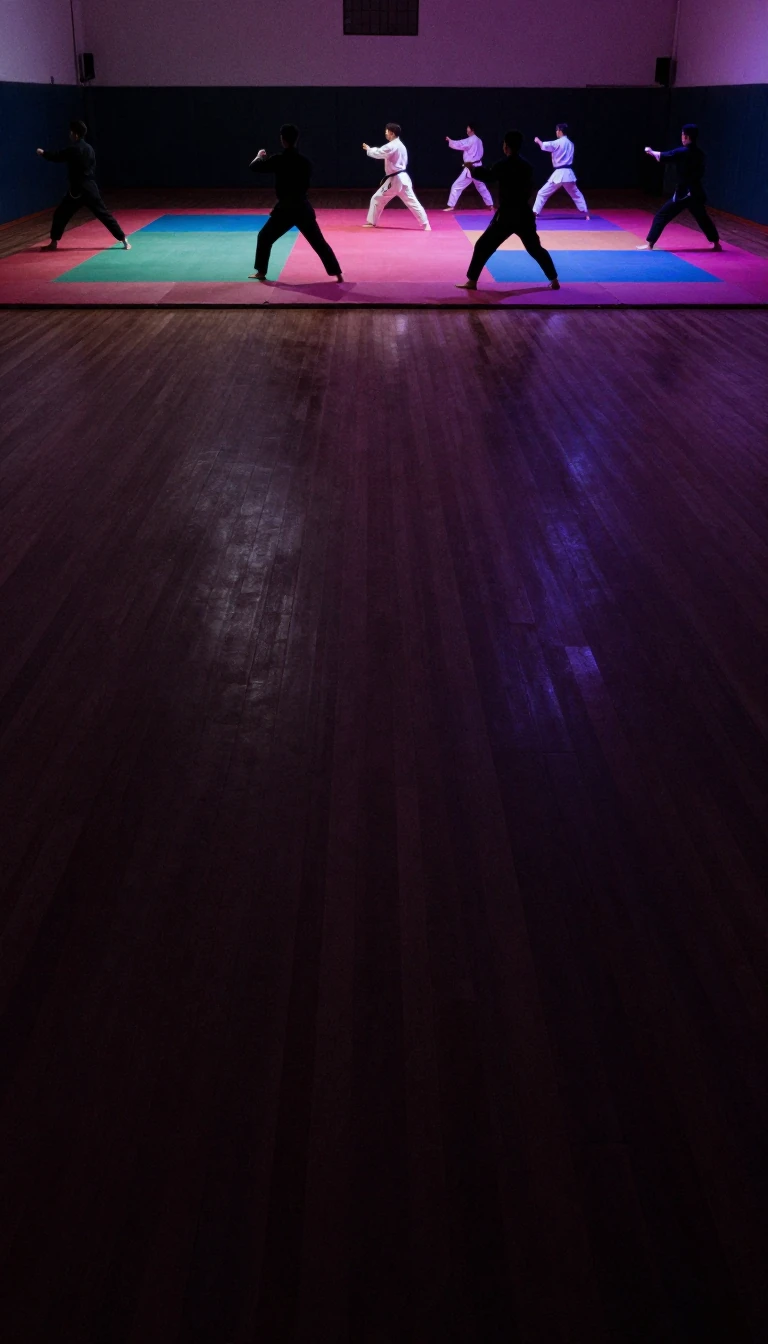
In short: Korean martial arts are often marketed as unbroken lineages stretching back centuries, but the reality is far more complex. While the peninsula has a long history of combat, many modern systems were reorganized in the 20th century, blending indigenous traditions with foreign influences to forge a new national identity.
The history of Korean martial arts is marked by a tension between military necessity and cultural evolution. Early evidence, such as 4th-to-6th-century Goguryeo tomb murals, depicts wrestling, but these practices were rarely codified into the standardized systems seen today. Instead, martial training was often fluid, revised by state institutions to meet the shifting demands of war, such as the heavy reliance on archery and composite bows that defined Korean battlefield tactics for centuries.
The Joseon dynasty (1392–1897) eventually formalized some techniques in manuals like the 1795 Muyedobotongji, which prioritized weapon-based training over unarmed combat. However, the 20th century brought seismic disruption. The Japanese occupation (1910–1945) suppressed many indigenous traditions while introducing Japanese disciplines like judo and kendo. Following liberation in 1945, a wave of nationalism prompted the creation of new systems like taekwondo and hapkido. While these arts often claim deep historical roots, their structures and techniques were frequently adapted from the foreign styles that had become widespread during the colonial era.
Today, the distinction between 'musul' (combat techniques), 'muye' (military skills), and 'mudo' (the martial way) reflects this layered history. Some arts, like taekkyon, faced near-extinction before being revived by figures like Song Deok-gi (1893–1987) and later recognized by UNESCO in 2011. Others, such as yongmudo, were created as recently as 2001. Ultimately, while the desire to preserve a distinct Korean heritage is clear, the continuity of these practices remains a subject of ongoing debate among historians.
Opens the Intellect+ feed with this card first. Swipe up for the next one.
Sources
- Summary by Intellect · source: Korean martial arts
- Also: Wikidata — Korean martial arts · CC0
To cite this card, link to https://intellectplus.co.uk/app/sport-korean-martial-arts.
How we source, check and correct cards: Editorial standards.
General information, not professional advice. Spotted an error? Flag the card or see corrections and complaints.
Intellect Plus is a visual educational discovery platform for exploring fascinating facts and ideas. Brain Food, Not Brain Rot. What is Intellect Plus?
Related
More in Sports · More in Sport & Games · Latest · A–Z · All topics
