This ancient Korean combat sport moves with the fluid grace of a dance
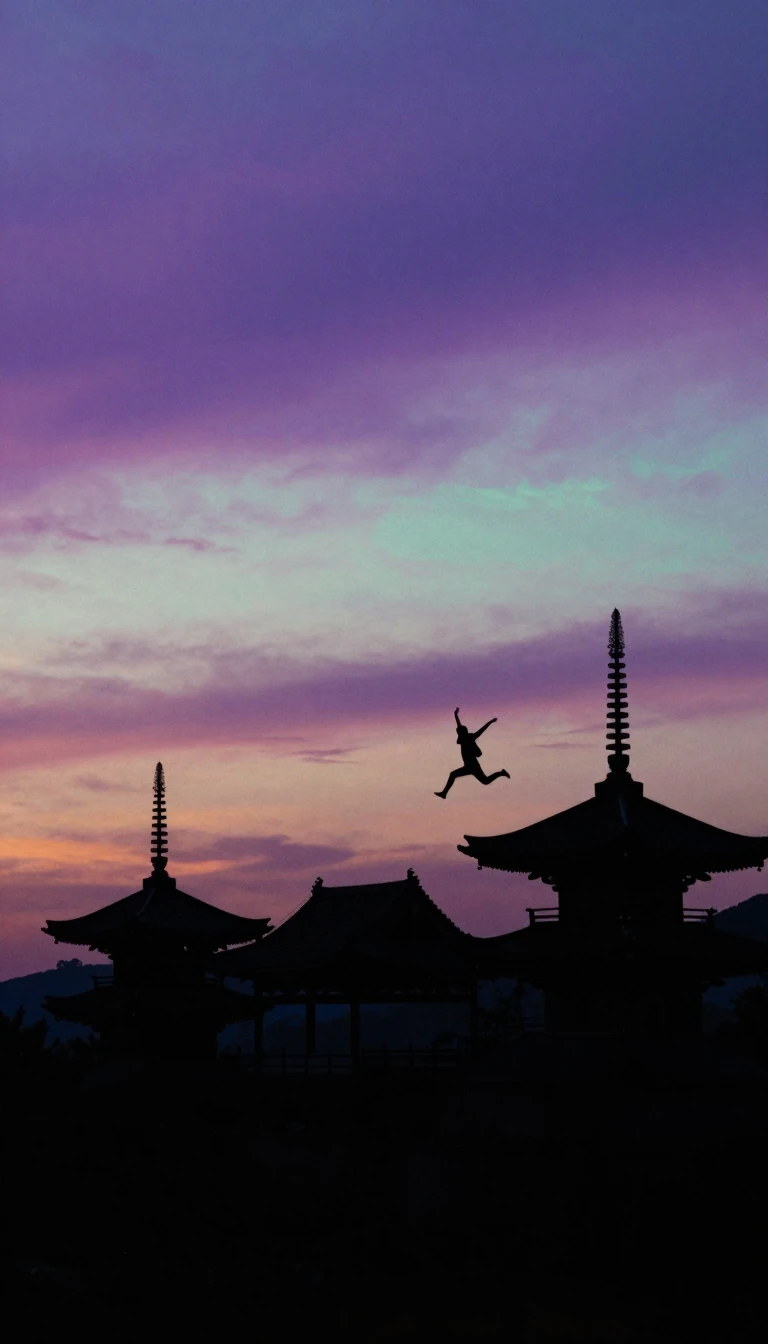
In short: Taekkyon is a traditional martial art defined by rhythmic, triangular footwork and constant knee-bending that gives it a dance-like appearance. Once nearly extinguished during the Japanese occupation, this historic discipline has been revived as a modern competitive sport, balancing ancient preservation with contemporary athletic innovation and global cultural recognition.
Taekkyon is a historic Korean martial art characterized by its fluid, dynamic movement known as pumbalki, or stepping-on-triangles. Unlike many rigid fighting styles, practitioners maintain a constant, rhythmic bending and stretching of the knees, creating a visual flow similar to traditional Korean mask dances. This motion, called ogumsil, is central to the art's defensive and offensive strategy, allowing fighters to shift their center of gravity rapidly while keeping their arms ready to guard or strike.
The art’s history is marked by a near-total disappearance. During the Joseon Dynasty, it was a popular pastime among commoners, but it declined as Neo-Confucianism spread among the elite. By the early 20th century, it was largely confined to the Jongro district of Seoul. The Japanese occupation further suppressed indigenous fighting techniques, nearly erasing the practice. It survived through the efforts of Song Deok-gi, the last master of the Joseon era, who maintained his training in secret until his public emergence in 1958.
Today, the community is divided between traditionalists and modernists. Organizations like the Widae Taekkyon Preservation Association focus on maintaining the original, non-competitive forms taught by Song. Conversely, groups like the Korea Taekkyon Federation have adapted the art into a sanitized, regulated sport with formal ranking systems, uniforms, and tournament structures. These efforts led to its 2011 designation as a UNESCO Intangible Cultural Heritage, the first martial art to receive such an honor, cementing its status as a vital link to Korea's past.
In modern competition, the sport focuses on grappling and kicking. Points are awarded for throwing an opponent to the ground or landing controlled kicks to the head. While modern associations have introduced innovations like pre-arranged forms and standardized rules, the core principle remains the same: using an opponent's own momentum against them. Whether practiced as a traditional folk game or a modern athletic pursuit, Taekkyon remains a unique expression of Korean heritage.
Opens the Intellect+ feed with this card first. Swipe up for the next one.
Sources
- Summary by Intellect · source: Taekkyon
To cite this card, link to https://intellectplus.co.uk/app/sport-taekkyon.
How we source, check and correct cards: Editorial standards.
General information, not professional advice. Spotted an error? Flag the card or see corrections and complaints.
Intellect Plus is a visual educational discovery platform for exploring fascinating facts and ideas. Brain Food, Not Brain Rot. What is Intellect Plus?
Related
More in Sports · More in Sport & Games · Latest · A–Z · All topics
