From wooden pulling boats to jet-powered vessels, how lifeboats evolved to conquer the sea.
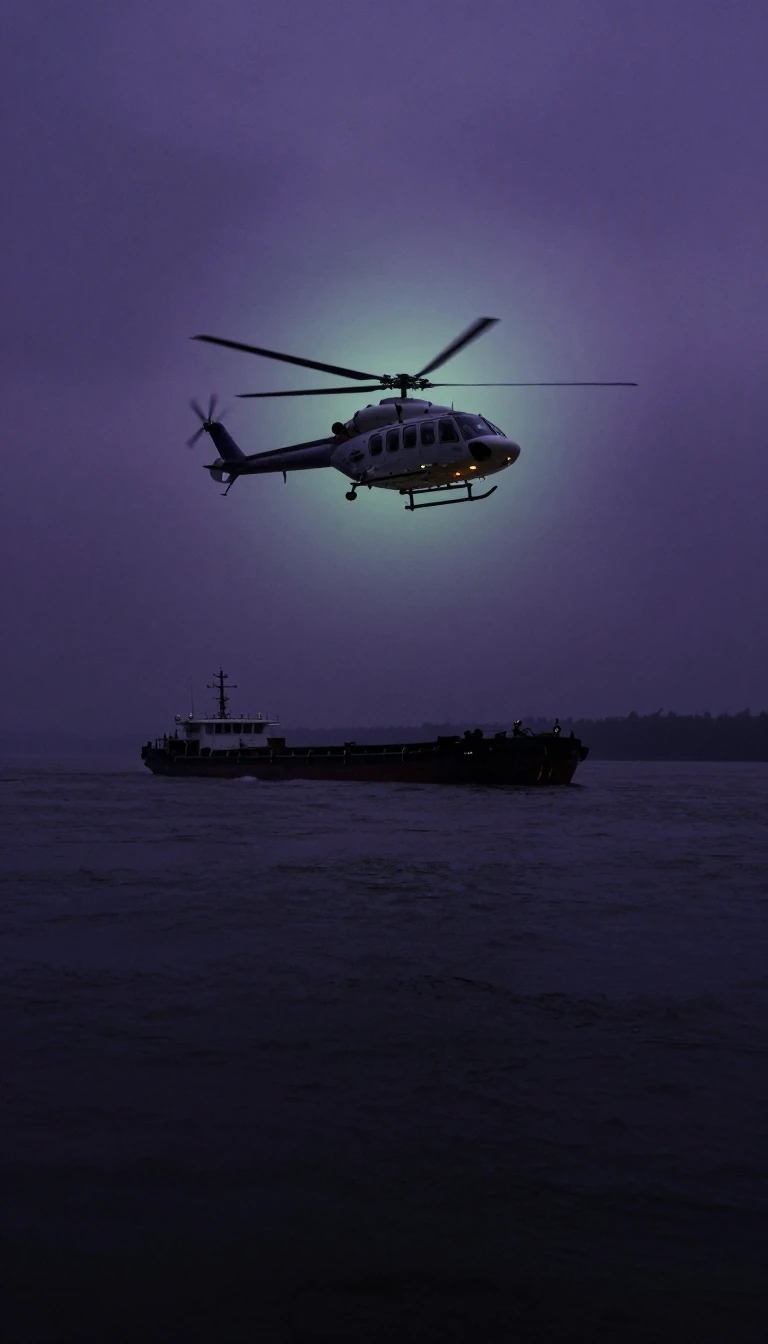
In short: For centuries, humanity has refined the art of maritime rescue, moving from simple wooden rowboats to sophisticated, self-righting, all-weather craft. Whether crewed by dedicated volunteers or full-time coast guard professionals, these specialized vessels are engineered to survive the most treacherous conditions, ensuring that help reaches those in peril at sea.
The history of the lifeboat is a story of constant technological adaptation. While early rescue attempts date back to the second century AD, the modern era of organized life-saving began in the late 18th century. In 1784, Lionel Lukin patented an 'unimmergible' boat featuring cork-filled chambers for buoyancy. By 1790, Henry Greathead’s design, the Original, entered service on the River Tyne, marking a shift toward specialized rescue craft. These early vessels were rowed by volunteers, but the 19th century brought significant advancements, including the 1851 Beeching–Peake self-righting model and the 1890 introduction of steam-powered engines, which allowed boats to operate more effectively in heavy surf.
Today, rescue fleets are diverse, ranging from small, agile inflatable boats to massive all-weather cruisers. In the United Kingdom and Ireland, the Royal National Lifeboat Institution relies on volunteer crews to man vessels capable of traveling up to 250 nautical miles. Conversely, the United States and Canada often utilize full-time coast guard personnel who operate motor lifeboats on standby. Germany’s DGzRS operates the world’s largest lifeboat, the 46-meter Hermann Marwede, which displaces 400 tons. These modern craft are marvels of engineering, often utilizing closed-cell polyurethane foam for buoyancy, ensuring they remain afloat even when completely filled with water.
The design of these boats is dictated by their specific environment. Inshore rescue boats, such as the Rigid Hulled Inflatable Boat (RHIB), are favored for their stability in breaking waves and low freeboard, which allows victims to be pulled aboard without lifting. Meanwhile, specialized jet-driven lifeboats, like the Dutch Arie Visser class, can reach speeds of 35 knots, providing rapid response capabilities. Whether navigating the canyon-like gorges of the Yangtze River or the sand bars of the Columbia River, the evolution of the lifeboat remains a vital human achievement in the ongoing struggle to mitigate the dangers of the sea.
Opens the Intellect+ feed with this card first. Swipe up for the next one.
Sources
- Summary by Intellect · source: Lifeboat (rescue)
To cite this card, link to https://intellectplus.co.uk/app/sport-lifeboat-rescue.
How we source, check and correct cards: Editorial standards.
General information, not professional advice. Spotted an error? Flag the card or see corrections and complaints.
Intellect Plus is a visual educational discovery platform for exploring fascinating facts and ideas. Brain Food, Not Brain Rot. What is Intellect Plus?
Related
More in Maritime transport · More in Sport & Games · Latest · A–Z · All topics
