 Intellect Plus
Maritime transport
46 cards. Each one is a 40-second story with a five-minute read behind it.
 Before the Windrush, Black sailors were already shaping British portsWhile 1948 is often cited as the beginning of Caribbean migration, Britain's maritime history reveals a much deeper story. This video explores how Black sailors from Africa and th…
 How maritime vessels forged the architecture of global civilizationFrom ancient exploration to modern commerce, ships have served as the primary engines of human connection. This video explores how shipbuilding evolution and navigation science en…
 The engineering marvel that redefined the scale of global tradeExplore the technical specifications and maritime legacy of OOCL Hong Kong, a vessel that serves as a landmark for the era of mega container ships.
- When engineers abandoned traditional blueprints to defy the laws of physicsFrom lifting 24,000-ton steel fortresses to vessels designed to flip vertically, some ships were built for missions that standard maritime rules couldn't solve. This video explore…
 How one seafaring nation built the world's most advanced shipping industryThe Netherlands is more than just a historic seafaring nation; it currently leads the global maritime industry. This video explores the historical evolution of Dutch naval dominan…
 How seafaring shaped the very foundations of human civilizationMaritime history is often overlooked, yet it is the backbone of global development. This video explores how seafaring has fundamentally constructed our modern world and why preser…
- How a city built on mud conquered the Mediterranean without landVenice didn't build an empire through continuous territory like traditional land powers. Instead, it engineered a sophisticated maritime network of ports and islands. By turning g…
 How maritime trade transformed oceans into the highways of globalizationThis documentary traces the evolution of seafaring from ancient merchant vessels to modern megaships. It explores how maritime infrastructure built empires, revolutionized global …
 Why the humble anchor is a masterpiece of engineering, not just a heavy rock.An anchor is more than a simple weight dropped overboard to stop a boat. It is a sophisticated device designed to hook, bury, or drag into the seabed. From ancient stone weights t…
 The clipper ship was a mid-19th-century marvel built for speed over cargo capacity.Before steamships dominated the seas, the clipper ship reigned supreme. These narrow, over-canvassed vessels were designed to chase profit through sheer velocity, carrying high-va…
 How a simple metal box revolutionized global trade and shrunk the world's oceans.Before the 1950s, loading cargo was a slow, manual nightmare of individual crates. The invention of the standardized intermodal container changed everything, slashing shipping cos…
- Floating hospitals have protected sailors and soldiers for over three centuries of naval historySince the 17th century, navies have repurposed vessels into floating medical facilities. From early converted warships to modern steel liners, these ships have evolved from basic …
 How do massive ships shatter frozen oceans to keep global trade routes moving?Icebreakers are not just brute-force battering rams. While they can mount ice to crush it under their own weight, these vessels rely on sophisticated hull geometry to direct froze…
- From Arctic exploration to modern rescue, the inflatable boat is a triumph of portability.Long before they were standard recreational gear, inflatable boats were experimental tools for Arctic explorers and military raiders. Today, these lightweight vessels—ranging from…
 Beyond the recreational thrill, how did a banking dropout revolutionize modern maritime personal transport?Often called a jet ski after the Kawasaki brand, the personal watercraft is a high-speed marvel of pump-jet propulsion. From its mid-century origins as a niche experiment to its c…
- The kayak was once a bespoke extension of the hunter's own body proportions.Originating from the Inuit, Yupik, and Aleut, the kayak was a personal vessel built by the hunter himself. Using his own body as a measuring tool, he crafted a boat that fit him l…
 The keel is the ancient backbone that defines how a ship moves and survives.Running from stem to stern, the keel is the primary structural member of a boat. Beyond its role as a sturdy foundation for the hull, this longitudinal backbone has evolved into a…
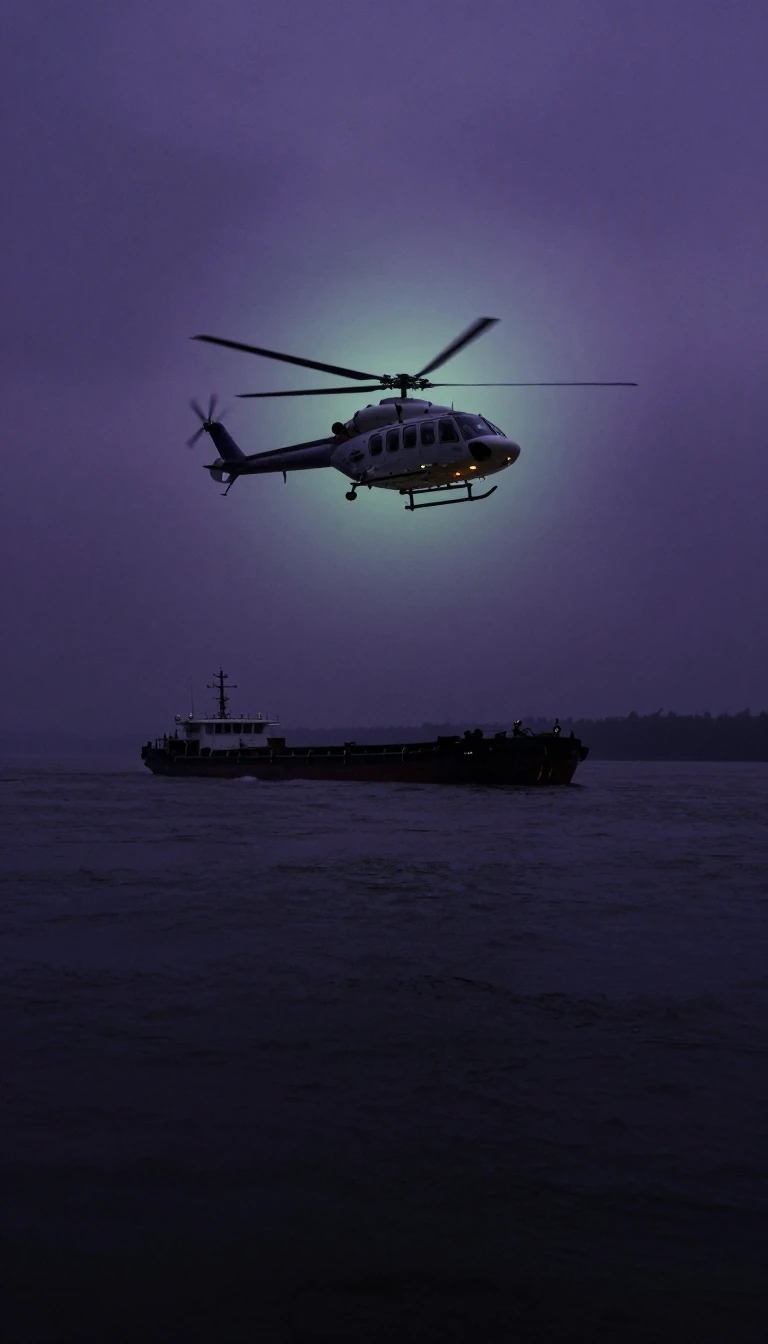 From wooden pulling boats to jet-powered vessels, how lifeboats evolved to conquer the sea.For centuries, humanity has refined the art of maritime rescue, moving from simple wooden rowboats to sophisticated, self-righting, all-weather craft. Whether crewed by dedicated …
 From reed bundles to carbon fibre, the mast has defined maritime history for millennia.The mast is more than a simple pole for sails; it is a structural marvel that has evolved from ancient reed boats to modern racing yachts. By mastering the height and configuratio…
- Why the prefix on a ship's name tells you how it actually movesWhen you see a ship name prefixed with MV or MS, you are looking at a vessel powered by an internal combustion engine, typically diesel. While these prefixes identify modern motor…
- From humble backyard experiments to record-breaking speeds, the evolution of the modern motorboat.Motorboats transformed from experimental 19th-century curiosities into high-performance machines capable of exceeding 300 miles per hour. By shifting from displacement hulls that …
 Why multihull vessels are rewriting the rules of speed and stability on the oceanMultihulls, from ancient Austronesian outriggers to modern foil-borne racers, defy traditional maritime limits. By ditching heavy ballast and utilizing slim, multi-hull configurat…
 How naval architects ensure a massive steel ship stays perfectly balanced on the waterDesigning a ship is a delicate balancing act of physics. To keep a vessel upright and level, naval architects must precisely calculate the interplay between weight and buoyancy. B…
- Is an oar a lever? The answer depends on where you are standing.An oar is more than a simple tool for propulsion; it is a sophisticated lever that has powered human travel for millennia. Whether you view it as a Class I or Class II lever chang…
- The ingenious outrigger: how a simple side-float conquered the world's oceansAn outrigger is far more than a simple boat attachment. From stabilizing ancient Austronesian canoes to optimizing leverage for modern rowers and expanding fishing lines, this ver…
- Before the screw propeller, paddle wheels dominated the world's waterways for centuries.Long before steam engines, ancient engineers used paddle wheels to power warships. By the 19th century, these vessels became the backbone of global maritime transport, from Missis…
- How a massive industrial hub transformed into a world-class urban waterfront destinationThe Port of Barcelona is more than a shipping giant; it is a sprawling 7.86 square kilometer engine of commerce and tourism. From its origins as a traditional industrial zone to i…
- How a small 1876 trading post became a global maritime juggernautBusan Harbour, once a modest gateway for limited trade between Korea, China, and Japan, has evolved into a massive engine of global commerce. Handling over three-quarters of South…
- How a man-made desert harbor became the world's most vital maritime logistics hubConstructed in the late 1970s to supplement existing facilities, the Port of Jebel Ali has evolved into the largest man-made harbor on Earth. Beyond its massive commercial footpri…
- How a treacherous mudflat became the busiest freight gateway in the United StatesOnce a shallow bay where ships had to beach themselves to unload, the Port of Los Angeles is now the premier maritime hub of the Western Hemisphere. Managing 7,500 acres of land a…
- The world's busiest cargo hub connects the Yangtze River to the global maritime mapLocated on the East China Sea, the Port of Ningbo-Zhoushan stands as the global leader in total cargo tonnage. This massive, multi-purpose complex serves as a critical junction fo…
- How the Port of Rotterdam transformed from a historic harbor into a robotic powerhouse.Spanning 105 square kilometers, the Port of Rotterdam is Europe's largest seaport. Once the world's busiest cargo hub, it now pioneers terminal automation, using ghost terminals w…
- How a River Delta Port Transformed Into the World's Busiest Maritime GatewayShanghai’s port is a massive engine of global trade, connecting the Yangtze River’s industrial heartland to the world. Once a restricted treaty port, it has evolved into a megacit…
- How Singapore Transformed from a 14th-Century Trading Post into a Global Maritime SuperpowerSingapore is more than a city-state; it is the world's busiest transshipment hub and top maritime capital. By leveraging its strategic location between the Indian and Pacific Ocea…
- How a dredging project in Miami accidentally created the world's busiest cruise portPortMiami is a global powerhouse, serving as both the Cruise Capital of the World and the Cargo Gateway of the Americas. Yet, its physical foundation is entirely artificial, born …
 The humble raft is nature's original vessel for colonizing the world's isolated islandsWhile we associate rafts with recreational whitewater thrills or primitive survival, they are actually a fundamental mechanism of biological dispersal. Long before humans built sh…
 Submersible robots allow us to explore the ocean without ever getting wetRemotely operated vehicles, or ROVs, are tethered robots that act as our eyes and hands in the deep sea. From laptop-sized units to heavy-duty industrial machines, these submersib…
- Why modern sailboats are essentially aircraft designed to navigate the surface of the seaSailboats are defined by more than just their sails. The divide between traditional monohulls and modern multihulls represents a fundamental shift in physics. While monohulls rely…
- The versatile schooner: how a simple sailing rig conquered the world's oceansDefined by its fore-and-aft rig across two or more masts, the schooner became a maritime workhorse. From the 17th-century Dutch coast to the massive, multi-masted bulk carriers of…
- Why the humble sloop remains the undisputed king of modern recreational sailingThe sloop is the most common sailing rig in existence, powering everything from simple dinghies to high-tech racing yachts. While its name traces back to the Dutch word for glidin…
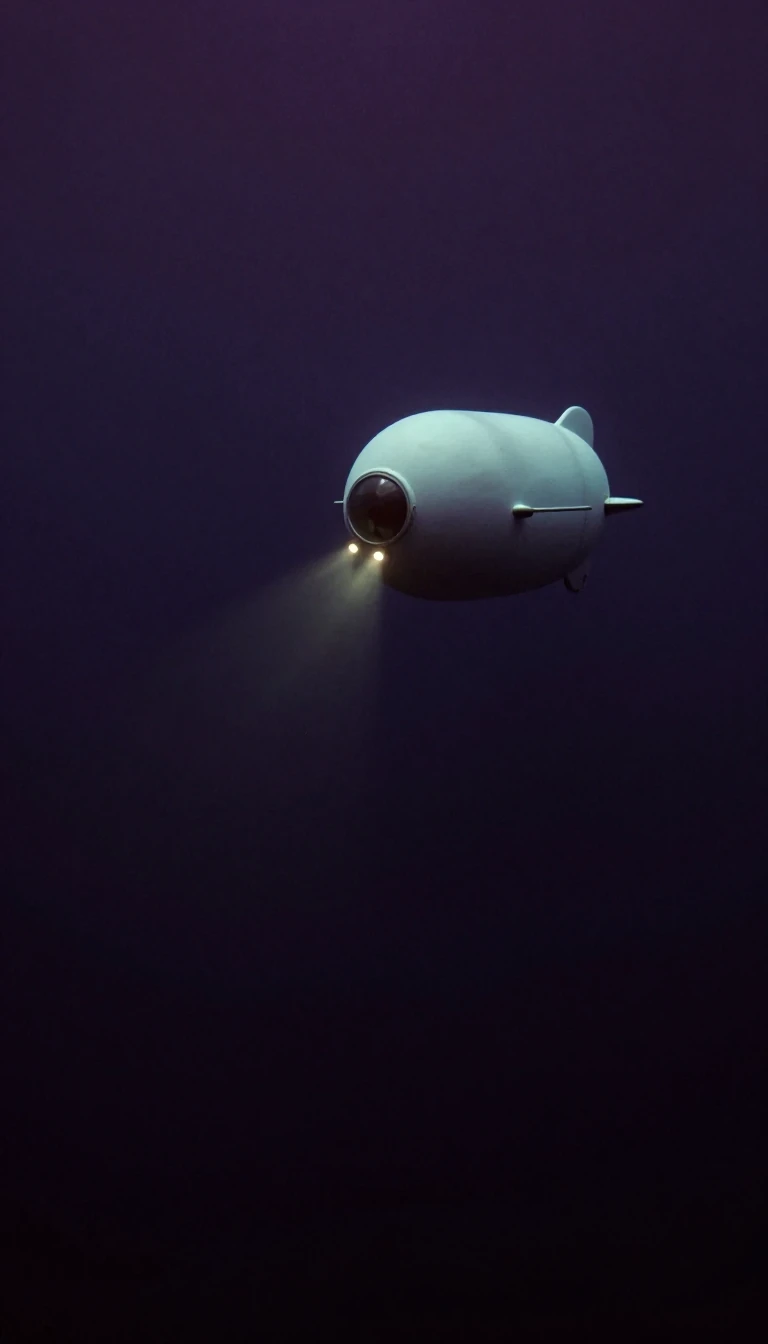 Why submersibles are the only way to reach the deepest parts of our oceanThe ocean averages over 3,600 meters in depth, a realm of crushing pressure and total darkness where standard diving is impossible. To explore these depths, engineers have develop…
- How a Moroccan mega-port became the busiest maritime hub in the Mediterranean SeaStrategically positioned on the Strait of Gibraltar, Tanger Med has transformed from a regional project into a global industrial powerhouse. By bridging African, European, and Ame…
- How a Swiss-designed bathyscaphe reached the deepest point on Earth in 1960In 1960, the bathyscaphe Trieste made history by descending to the bottom of the Mariana Trench. Piloted by Jacques Piccard and Don Walsh, the vessel reached a depth of 10,916 met…
 Why do some boats float while others rely on simple buoyancy to stay afloat?Watercraft are defined by how they interact with the water beneath them. Whether a vessel is a simple raft or a complex ship, its design is governed by fundamental physical princi…
- The word yacht comes from the Dutch term for hunting, not luxury cruising.Originally designed as light, fast vessels for the Dutch Republic navy to scout ahead of larger fleets, yachts have evolved from 17th-century naval tools into symbols of leisure. …
 How Did a Free Port Shape a Global Trade Giant?Hamburg’s status as Germany's premier seaport is deeply tied to a specific economic mechanism: the free port. This unique status allowed for unprecedented trade fluidity, enabling…