Why this ancient Levantine flatbread requires a sculptor's touch to perfect
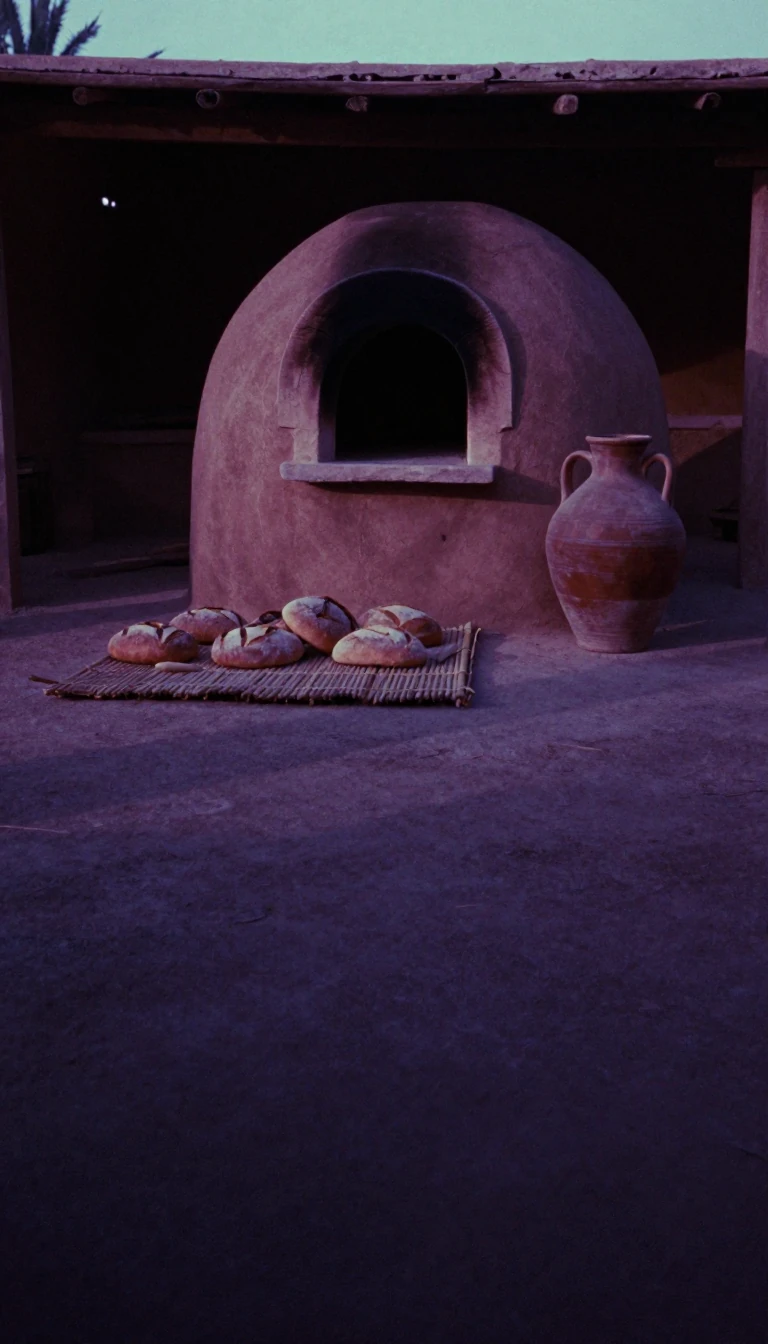
In short: Manakish is more than a simple breakfast pastry; it is a culinary tradition rooted in the Levant. The name itself describes the physical act of creation, where bakers press their fingertips into flattened dough to form small wells, ensuring every bite is perfectly seasoned with za'atar, cheese, or meat.
The etymology of manakish reveals its artisanal origins. Derived from the Arabic verb naqaša, meaning to carve or sculpt, the term highlights the essential technique of dimpling the dough. This process creates a textured surface that holds toppings securely during the baking process. While Syrian historian Khayr al-Din al-Asadi linked the dish specifically to Beirut, its influence spans the entire Levant and beyond, following patterns of regional emigration.
Historically, the dish served a practical purpose in communal life. Women would prepare small portions of dough with various toppings during their morning routine at communal ovens, ensuring their families had fresh bread for the day. While traditional tools like the saj and taboon remain in use, food historian Gil Marks notes that the rise of the furn, or baker's oven, was a turning point. By allowing dough to bake on a heated floor rather than vertically, this innovation helped popularize topped flatbreads like manakish and lahmacun.
The versatility of manakish is defined by its toppings, which vary by time of day and region. Za'atar, a mixture of dried herbs, sesame seeds, and sumac, is the quintessential breakfast choice. For lunch, heavier options like minced lamb or kashk—a fermented yogurt and wheat blend—are preferred. In 2023, the significance of this practice was formally recognized when it was added to the UNESCO Intangible Cultural Heritage list as a representative culinary tradition of Lebanon. Despite its ancient roots, which some trace back to Phoenician times between 2500 BC and 539 BC, the dish remains a vibrant, evolving staple of Levantine identity.
While manakish is often compared to other regional breads, distinctions remain. For instance, the Armenian matnakash shares a linguistic connection but lacks the characteristic toppings of its Levantine counterpart. Whether enjoyed as a quick snack with mint tea or as part of a larger mezze, the dish continues to be defined by its regional variations, from the chili-topped versions in Gaza to the egg-and-sujuk combinations found in Jerusalem.
Opens the Intellect+ feed with this card first. Swipe up for the next one.
Sources
- Summary by Intellect · source: Manakish
- Also: Wikidata — manakish · CC0
To cite this card, link to https://intellectplus.co.uk/app/sport-manakish.
How we source, check and correct cards: Editorial standards.
General information, not professional advice. Spotted an error? Flag the card or see corrections and complaints.
Intellect Plus is a visual educational discovery platform for exploring fascinating facts and ideas. Brain Food, Not Brain Rot. What is Intellect Plus?
Related
More in Cricket · More in Sport & Games · Latest · A–Z · All topics
