Kibbeh is more than a dish; it is a culinary benchmark of cultural identity.
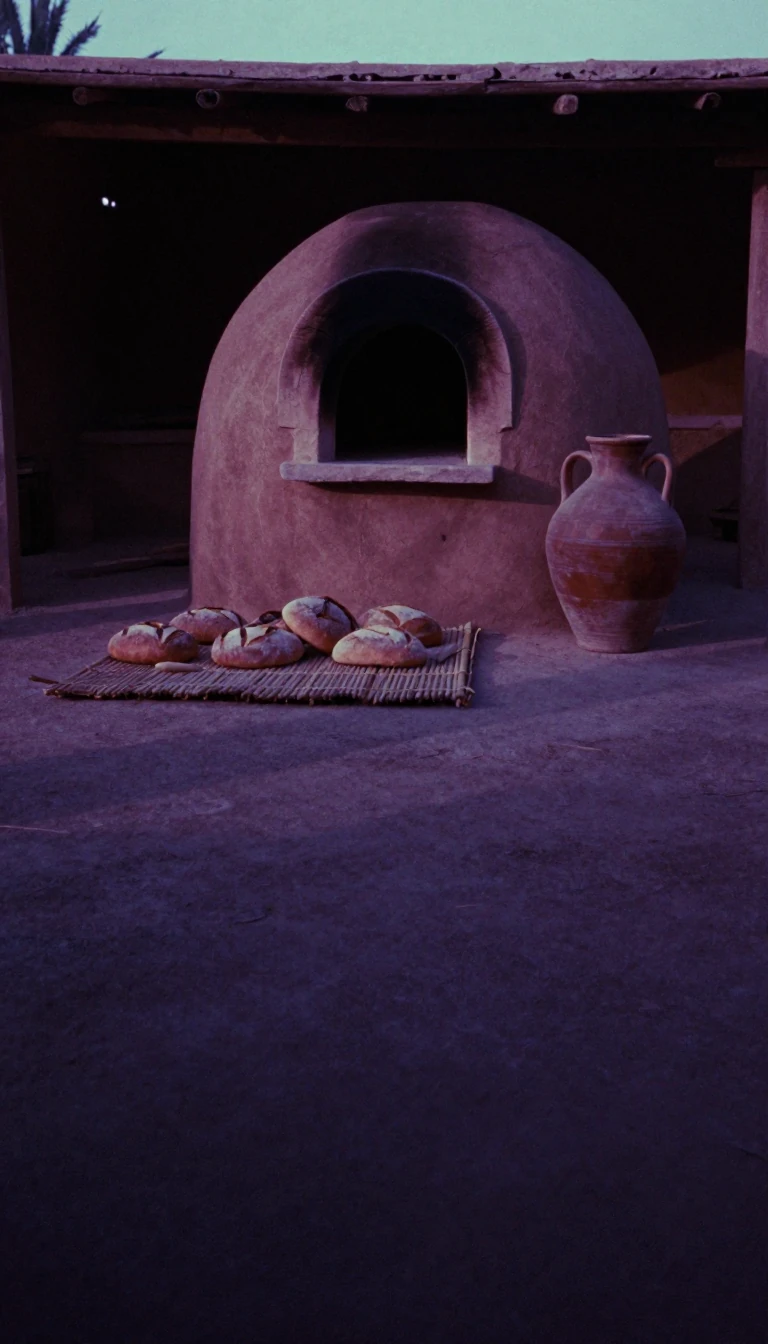
In short: From the bustling markets of Aleppo to the remote Amazon, this spiced meat and bulgur staple has traveled the globe. Whether served raw as a gesture of hospitality or simmered in yogurt, kibbeh remains a complex, deeply storied culinary tradition that defines the skill of a cook across generations.
Kibbeh, a cornerstone of Levantine cuisine, is traditionally crafted by pounding bulgur wheat and meat into a fine paste. While the modern term stems from the Arabic root k-b-b, suggesting a rounded shape, its history is layered. Early references include 10th-century cookbooks describing meatballs as kubab, while the 18th-century text Taj al-'Arus provides the first mention of the modern, stuffed version. By the 19th century, observers like William McClure Thomson were already calling it the national dish of the Arabs, noting its deep social significance.
The city of Aleppo, Syria, stands as the undisputed heart of kibbeh diversity. It boasts at least 17 distinct types, with some sources documenting as many as 58 varieties, ranging from versions cooked in cherry or pomegranate sauce to those featuring quince or sumac. This versatility extends far beyond the Levant. In Iraq, kubba is often served in soups, while in Turkey, the dish is known as içli köfte, with specific regional variations like the boiled Malatya or the skewer-cooked Adana protected as geographical indications.
The dish's global footprint is largely the result of migration. As Levantine communities moved to the Americas in the late 19th and early 20th centuries, they adapted their recipes to local ingredients. In Brazil, for instance, immigrants created quibe de arroz using rice flour when wheat was unavailable in the Amazon, while modern Brazilian versions may include cream cheese or soy protein. Similarly, in the Dominican Republic and Colombia, kibbeh has been embraced as a local staple, proving that while the technique is demanding, the dish is remarkably resilient and adaptable to new environments.
Opens the Intellect+ feed with this card first. Swipe up for the next one.
Sources
- Summary by Intellect · source: Kibbeh
To cite this card, link to https://intellectplus.co.uk/app/nature-kibbeh.
How we source, check and correct cards: Editorial standards.
General information, not professional advice. Spotted an error? Flag the card or see corrections and complaints.
Intellect Plus is a visual educational discovery platform for exploring fascinating facts and ideas. Brain Food, Not Brain Rot. What is Intellect Plus?
Related
More in Organisms · More in Nature · Latest · A–Z · All topics
