From a humble stagecoach conversion to the world's most expensive automobile ever sold
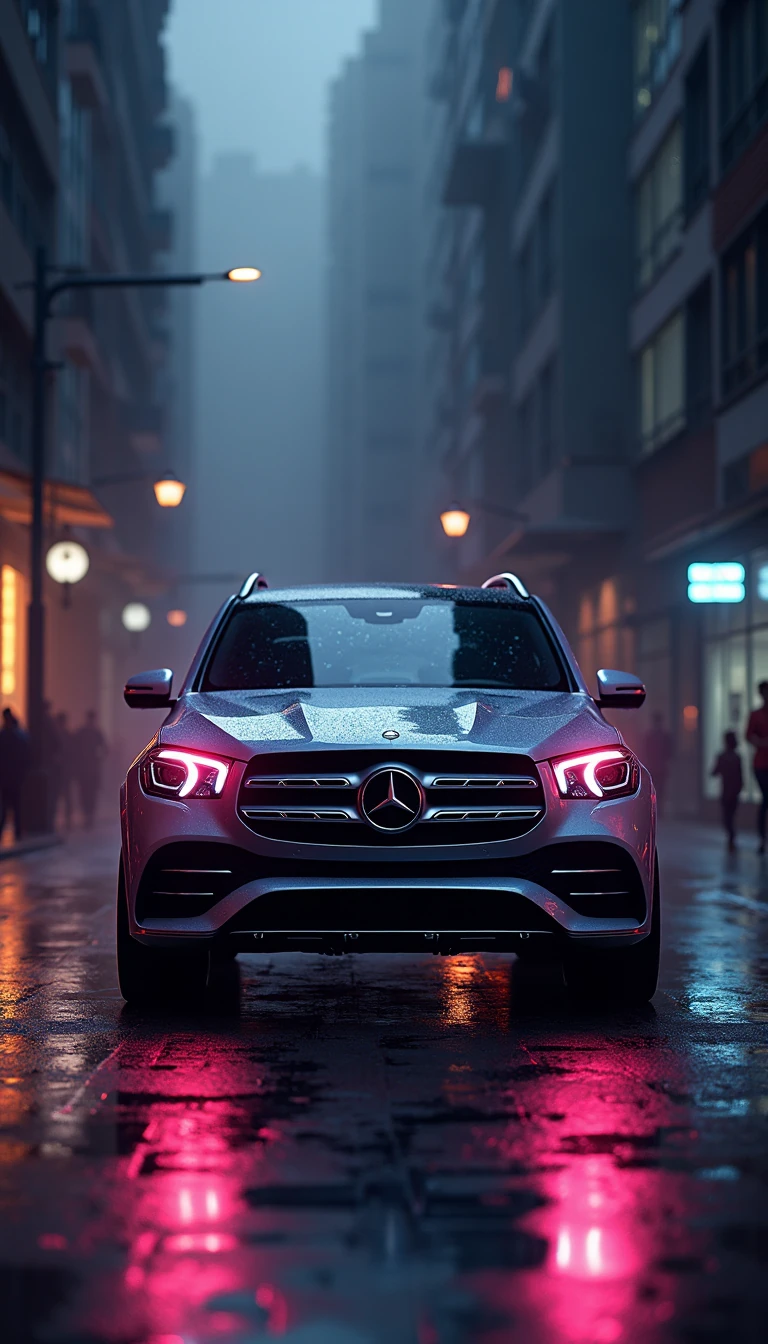
In short: Mercedes-Benz began with a dowry-funded invention and a marketing genius who raced under a pseudonym. Today, the brand is a titan of luxury, balancing a history of wartime production and forced labor with a legacy of engineering innovation that redefined the modern automobile and its global status.
The brand's origins lie in the late 19th century, rooted in the pioneering work of Carl Benz and Gottlieb Daimler. Benz patented his internal combustion engine in 1886, while Daimler and Wilhelm Maybach converted a stagecoach into a motorized vehicle that same year. The name itself emerged from the marketing efforts of Emil Jellinek, an entrepreneur who sold cars to the European elite and raced under the name Monsieur Mercédès. By 1926, the companies founded by Benz and Daimler merged, officially launching the Mercedes-Benz brand.
The company's history is complex, marked by both technological leadership and dark chapters. During the 1930s, the brand's 770 model became a symbol of power for the Nazi regime. By 1942, the firm shifted entirely to war production, including aero engines. Records indicate that by 1944, nearly half of its workforce of 63,610 consisted of concentration-camp detainees, prisoners of war, or forced laborers. In later years, the company acknowledged this history, eventually paying $12 million in reparations to the families of those affected.
In the modern era, Mercedes-Benz has navigated significant corporate restructuring, including the 2019 spin-off of Mercedes-Benz AG to manage passenger vehicles, while Daimler Truck became an independent entity in 2021. Despite challenges, such as a 2022 recall of nearly one million vehicles due to potential braking corrosion, the brand remains a symbol of prestige. In May 2022, it set a record by selling a rare 1955 SLR for $142 million, with proceeds funding the Mercedes-Benz Fund.
The brand's evolution is also reflected in its naming conventions. Before 1994, it used an alphanumeric system where numbers roughly indicated engine displacement, paired with suffixes like 'D' for diesel or 'E' for fuel injection. The system was later simplified into 'classes' to better organize its expanding range of SUVs, electric vehicles, and luxury sedans, maintaining its reputation as a global automotive benchmark.
Opens the Intellect+ feed with this card first. Swipe up for the next one.
Sources
- Summary by Intellect · source: Mercedes-Benz
- Also: Wikidata — Mercedes-Benz · CC0
- Also: Wikidata — Mercedes-Benz Group · CC0
To cite this card, link to https://intellectplus.co.uk/app/sport-mercedes-benz.
How we source, check and correct cards: Editorial standards.
General information, not professional advice. Spotted an error? Flag the card or see corrections and complaints.
Intellect Plus is a visual educational discovery platform for exploring fascinating facts and ideas. Brain Food, Not Brain Rot. What is Intellect Plus?
Related
More in Motorsport · More in Sport & Games · Latest · A–Z · All topics
