Why the Middle East and North Africa has no single, fixed definition
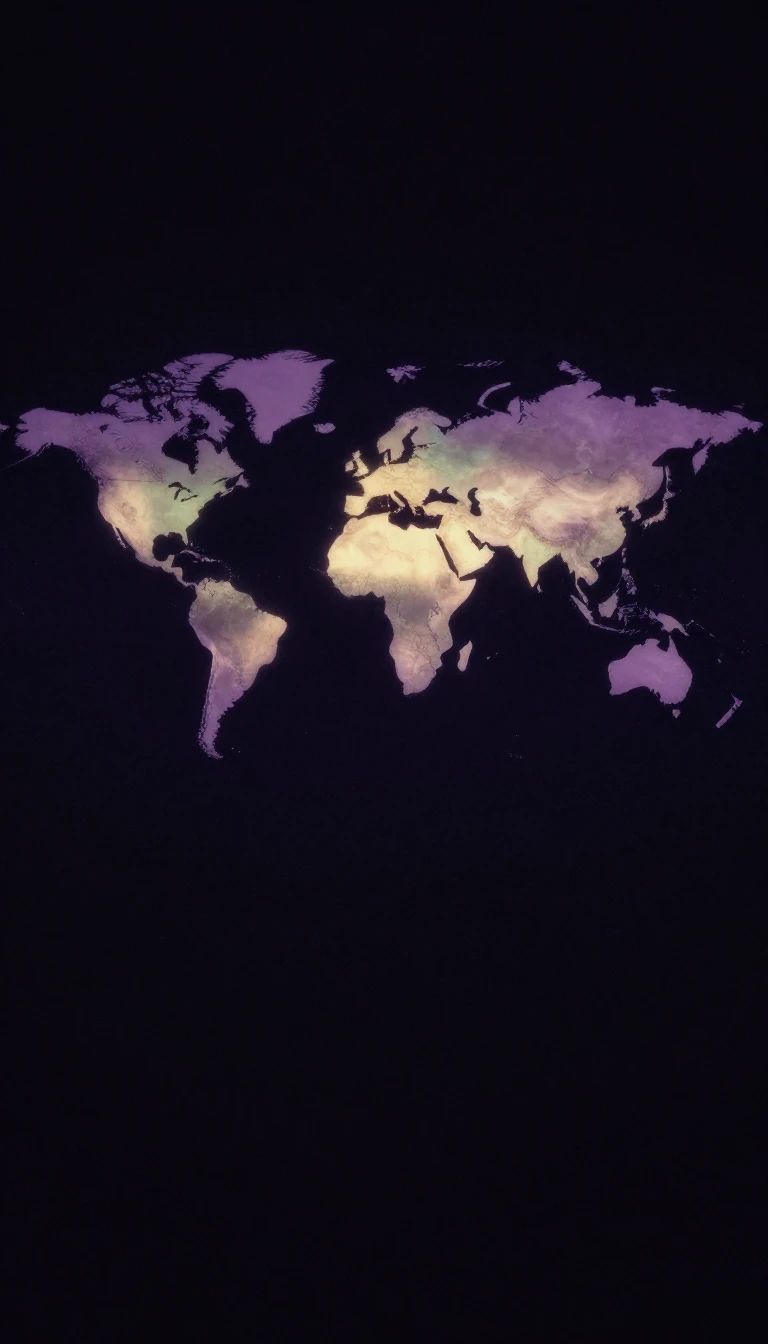
In short: The term MENA is a staple in academia, business, and military planning, yet it lacks a standardized definition. Depending on the organization, the region can include anywhere from 18 to 25 countries. This geographic ambiguity reflects the complex, overlapping cultural, economic, and political realities of the territories involved.
The acronym MENA—Middle East and North Africa—is a flexible grouping scheme rather than a rigid geographic fact. Organizations define the region based on their specific analytical needs. For instance, the World Bank and the FAO have historically grouped 21 countries under the MENA label, while a 2010 UNHCR report focused on 18 nations. These variations often depend on whether an institution includes countries like Iran, Israel, or Turkey, or whether it extends the region to include Afghanistan and Pakistan, as seen in the IMF's MENAP grouping or the World Bank's updated classification from July 2025.
This lack of consensus extends to the United Nations, which does not recognize a formal MENA region in its official geoscheme. Instead, the UN Statistics Division categorizes these territories into two distinct subregions: Western Asia and Northern Africa. Other terms like WANA (West Asia and North Africa) or MENAT (which explicitly includes Turkey) are frequently used in academic and scientific fields, such as climatology and agriculture, to avoid the perceived Eurocentric bias of the term Middle East.
Beyond geography, the region is defined by its immense global influence and internal diversity. It holds approximately 60% of the world's oil reserves and 45% of its natural gas, making it a cornerstone of global economic stability. However, the region is also marked by significant complexity. While Islam is the dominant religion for over 91% of the population, the area is home to diverse linguistic groups and religious minorities. As noted by the Center for Strategic and International Studies, the region's stability is shaped by a tangled web of tribal, ethnic, and sectarian factors, alongside varying levels of governance and economic progress.
Ultimately, the MENA label serves as a tool for analysis rather than a fixed border. Whether researchers are studying climate change impacts, trade flows, or political transitions, the definition shifts to fit the inquiry. This fluidity highlights that MENA is not a monolithic entity, but a collection of nations whose shared challenges and cultural links are constantly being re-evaluated.
Opens the Intellect+ feed with this card first. Swipe up for the next one.
Sources
- Summary by Intellect · source: Middle East and North Africa
- Also: Wikidata — Middle East and North Africa · CC0
- Also: Wikidata — Middle East and North Africa · CC0
To cite this card, link to https://intellectplus.co.uk/app/sport-middle-east-and-north-africa.
How we source, check and correct cards: Editorial standards.
General information, not professional advice. Spotted an error? Flag the card or see corrections and complaints.
Intellect Plus is a visual educational discovery platform for exploring fascinating facts and ideas. Brain Food, Not Brain Rot. What is Intellect Plus?
Related
More in Rugby · More in Sport & Games · Latest · A–Z · All topics
