The Nürburgring 24 Hours turns a legendary 25-kilometer circuit into a chaotic endurance test.
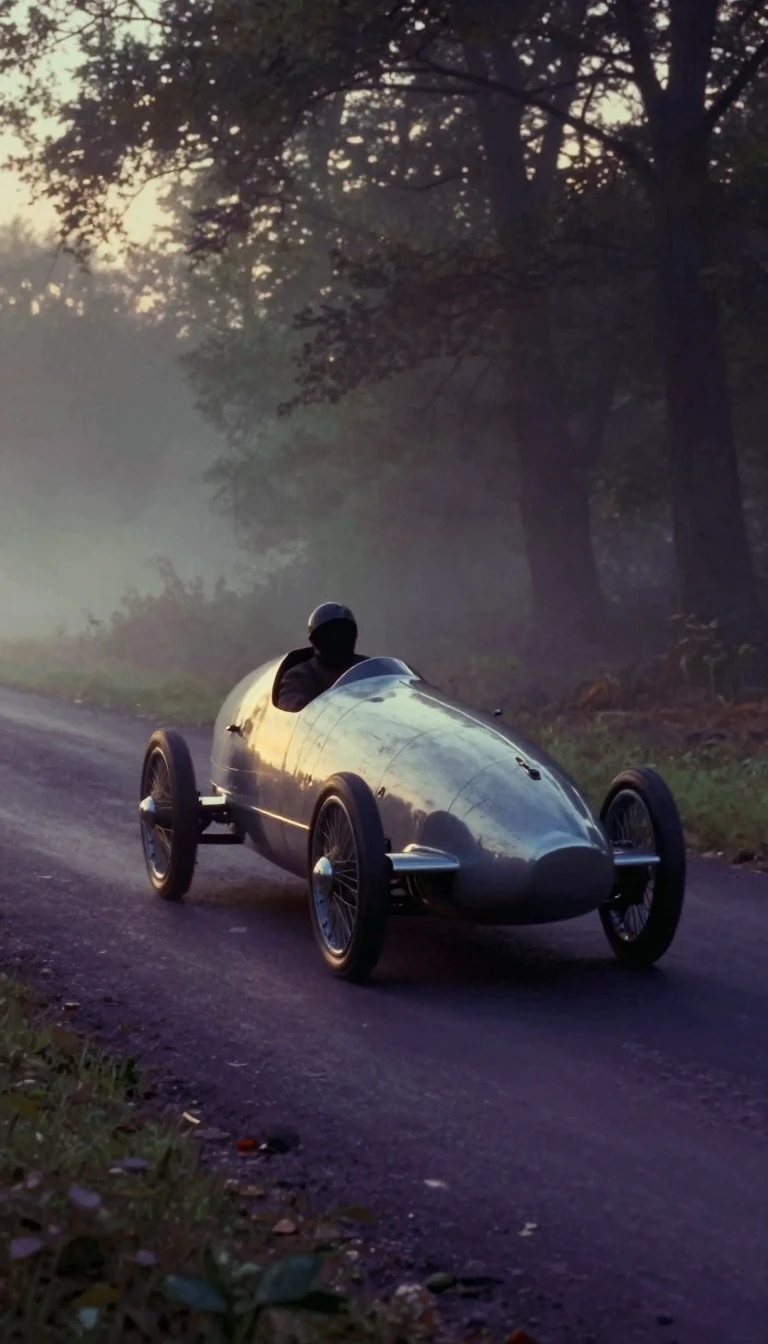
In short: Combining the historic Nordschleife with the modern Grand Prix track, this annual race invites over 700 drivers to navigate blind crests and unpredictable Eifel weather. From professional GT3 machines to second-hand road cars, the field is a unique mix of speed and amateur spirit that defines this grueling endurance challenge.
Established in 1970 by the ADAC, the Nürburgring 24 Hours is a unique fixture in motorsport. Unlike shorter endurance contests, it utilizes a massive 25.3 km circuit that forces competitors to manage extreme variations in track conditions. The event is intentionally designed to be accessible, welcoming a diverse field of around 200 cars ranging from high-end GT3 sports cars to near-series production vehicles. This inclusivity creates a significant challenge: the closing speeds between the fastest professional entries and the slowest amateur cars are a constant safety concern, particularly on the track's many blind corners.
The race is famously sensitive to the Eifel region's volatile climate. Sudden fog, heavy rain, and even hailstorms have frequently forced race officials to red-flag the event, as seen in 2016, 2018, 2020, and 2021. These environmental hazards are compounded by the circuit's sheer length, which precludes the use of standard safety cars except during red-flag restarts. Instead, the race relies on local double yellow flags and 'code 60' zones to manage incidents, often allowing recovery trucks to operate while the race continues nearby.
Strategic complexity is high, with teams balancing fuel efficiency, tire choice, and mechanical reliability. In 2010, the race saw a notable victory for a BMW M3 GT, while 2011 marked a record-breaking performance by a Manthey Racing Porsche 997 GT3 RSR, which completed 156 laps. The event continues to evolve, introducing features like the 'Top 40' qualifying shootout in 2012 and embracing alternative technologies, such as the hydrogen-powered Aston Martin that completed a zero-emissions lap in 2013. Despite the professionalization of the top classes, the race remains a testament to endurance, with strict regulations requiring drivers to hold a specific 'DMSB Permit Nordschleife' to handle the unique demands of the track.
Opens the Intellect+ feed with this card first. Swipe up for the next one.
Sources
- Summary by Intellect · source: Nürburgring 24 Hours
To cite this card, link to https://intellectplus.co.uk/app/sport-n-rburgring-24-hours.
How we source, check and correct cards: Editorial standards.
General information, not professional advice. Spotted an error? Flag the card or see corrections and complaints.
Intellect Plus is a visual educational discovery platform for exploring fascinating facts and ideas. Brain Food, Not Brain Rot. What is Intellect Plus?
Related
More in Motorsport · More in Sport & Games · Latest · A–Z · All topics
