How Ford’s futuristic dream cars paved the way for modern radio-controlled racing
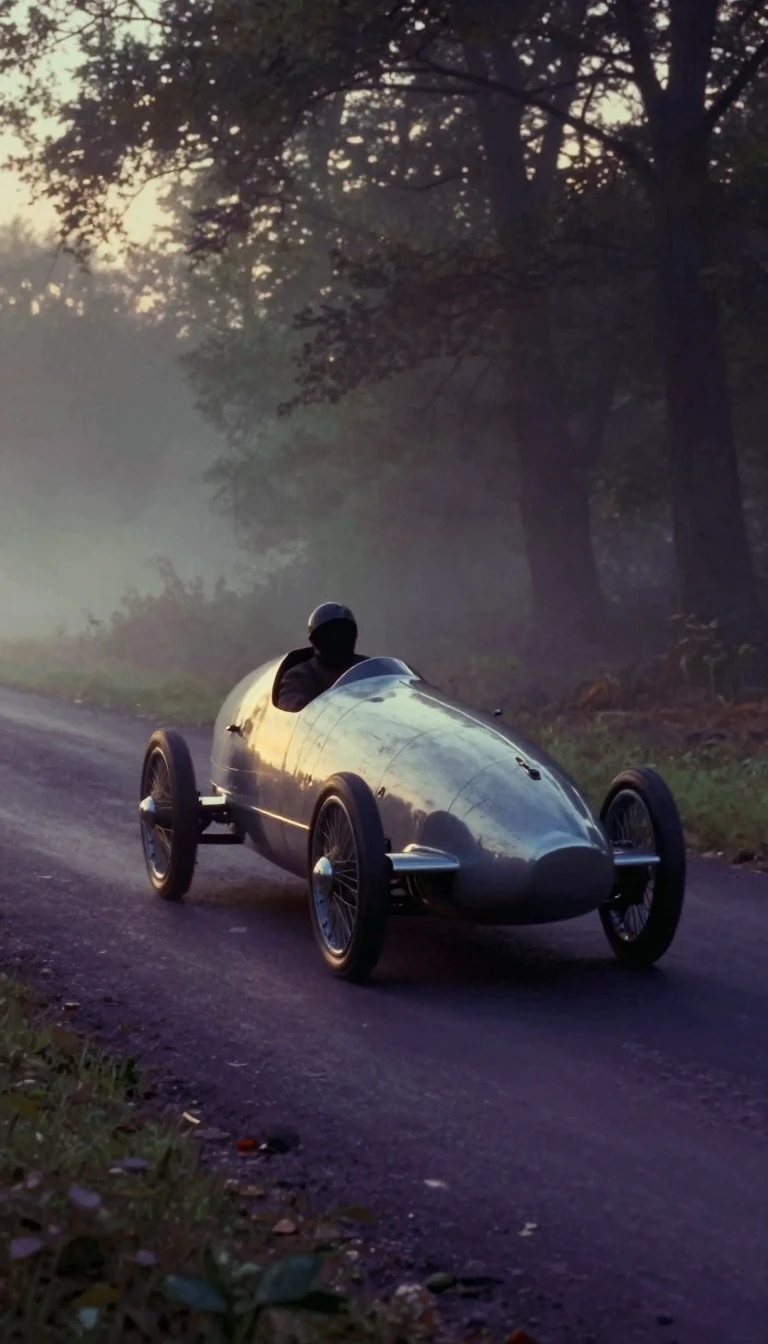
In short: Radio-controlled cars are more than just toys; they began as sophisticated engineering tools. In the 1950s, Ford designers used radio-controlled scale models to accelerate vehicle development. Today, these miniature machines have evolved into a global competitive sport, with specialized categories ranging from electric-powered precision models to high-octane nitro-fueled racers.
The origins of radio-controlled vehicles trace back to the 1940s, but their practical utility was cemented by the automotive industry. In 1954, Ford Motor Company recognized this potential during its Industrial Arts Awards, where a six-foot radio-controlled vehicle was demonstrated to chief test driver Al Esper. Designers utilized these models to streamline development, creating scale versions of ambitious concepts like the futuristic bubble-top LaTosca and the aerodynamic Mexico, which was intended to reach speeds of 200 mph. These early prototypes were marvels of ingenuity, built using repurposed full-size components such as six-volt car batteries and convertible top motors to control movement, braking, and even lighting systems.
By the 1970s, the focus shifted from industrial prototyping to consumer hobbyism. Tamiya emerged as a pivotal force in this transition, releasing its first radio-controlled model, the Porsche 934, in the 1970s. Under the leadership of Shunsaku Tamiya in the 1980s, the company catalyzed a surge in competitive racing, transforming the hobby into a recognized motorsport. This era also saw the rise of the Mini 4WD series in 1982, which achieved immense popularity across Japan and continues to maintain a strong following throughout Asia today.
Modern radio-controlled cars are categorized by their terrain capabilities and power sources. On-road models are engineered for smooth surfaces, while off-road versions handle rocky, uneven ground. Enthusiasts choose between ready-to-run models for immediate use or almost-ready-to-run kits that allow for extensive customization. Power delivery is equally diverse: electric models use electronic speed controllers for efficient operation, while nitro-powered cars utilize nitromethane engines to replicate the visceral experience of internal combustion. Today, the sport is governed by organizations like the International Federation of Model Auto Racing, which hosts prestigious events such as the 1:10 Electric Off-Road World Championship.
Opens the Intellect+ feed with this card first. Swipe up for the next one.
Sources
- Summary by Intellect · source: Radio-controlled car
- Also: Wikidata — radio-controlled car · CC0
To cite this card, link to https://intellectplus.co.uk/app/sport-radio-controlled-car.
How we source, check and correct cards: Editorial standards.
General information, not professional advice. Spotted an error? Flag the card or see corrections and complaints.
Intellect Plus is a visual educational discovery platform for exploring fascinating facts and ideas. Brain Food, Not Brain Rot. What is Intellect Plus?
Related
More in Sports · More in Sport & Games · Latest · A–Z · All topics
