Why the still rings are the ultimate test of male gymnastic strength
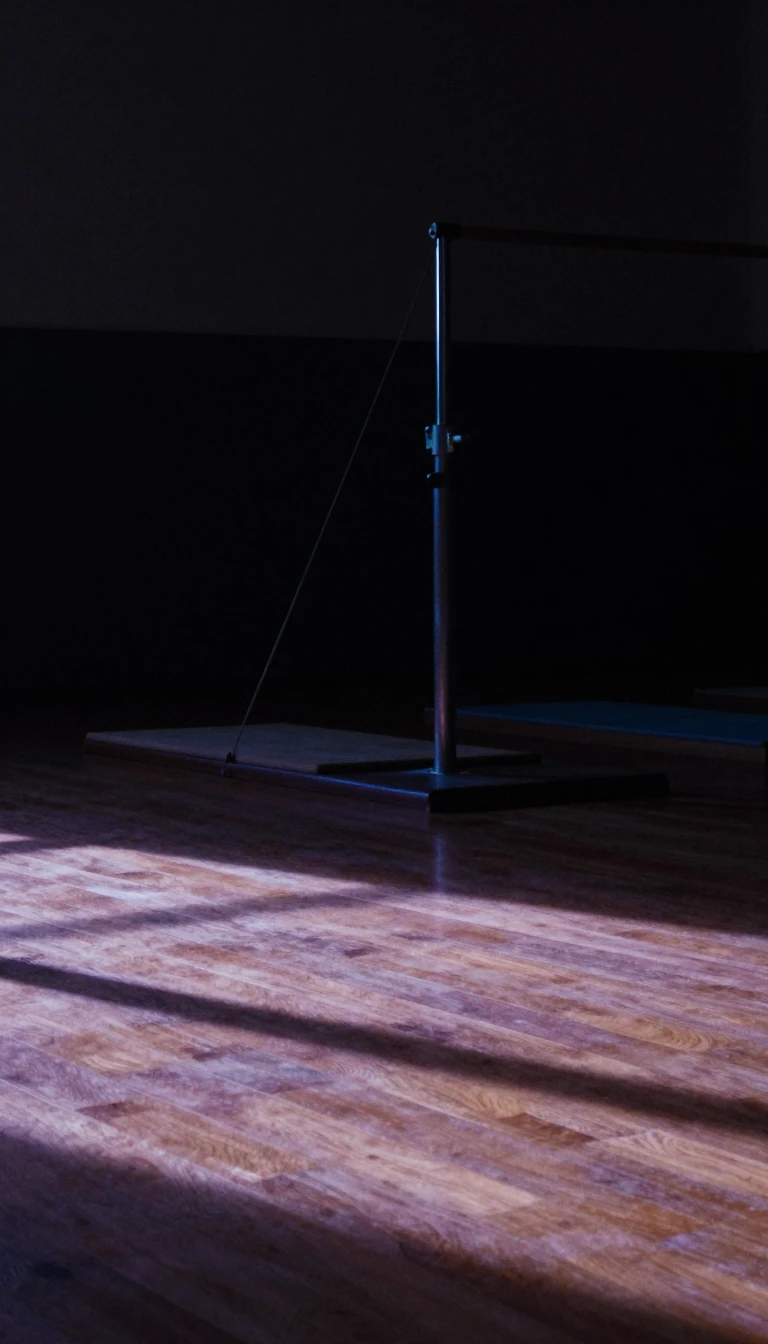
In short: The still rings demand more upper body power than any other gymnastics apparatus. Suspended from a rigid frame, these two freely hanging rings force athletes to master static holds and explosive swings. It is a discipline where every muscle tremor, grimace, or cable vibration is strictly penalized by judges.
The still rings represent a unique challenge in artistic gymnastics, traditionally reserved for male competitors due to the immense physical demands required to stabilize the apparatus. Unlike other events, the rings hang freely from a steel cable system attached to a rigid metal frame. This setup means the gymnast must exert constant control over both their own body and the movement of the rings themselves. The apparatus is precisely regulated by the Fédération internationale de gymnastique, which mandates that the rings hang exactly 300 centimetres from the attachment point to the lower inner side, with a 50-centimetre gap between the two attachment points.
A successful routine is a complex blend of swing, strength, and hold elements. Gymnasts must demonstrate mastery through moves like the Iron Cross, where the body is suspended with arms extended laterally for at least two seconds, or the Maltese cross, which requires holding the body parallel to the ground. Swing elements, such as giant swings performed from handstand to handstand, add a dynamic layer to the performance. All these movements are governed by the Code of Points, which dictates the technical requirements and scoring criteria for every skill performed during a competition.
The judging process is notoriously unforgiving. Beyond standard form deductions, athletes are penalized for bent arms, using cables for balance, or failing to maintain a neutral head position. Even facial expressions are scrutinized; grimacing or grunting can result in point deductions. Conversely, gymnasts can earn bonus points by executing consecutive distinct static holds. Because the rings are inherently unstable, the athlete's ability to minimize extraneous cable swinging while transitioning between high-intensity strength holds is the hallmark of a world-class performance, separating the elite from the rest of the field.
Opens the Intellect+ feed with this card first. Swipe up for the next one.
Sources
- Summary by Intellect · source: Rings (gymnastics)
To cite this card, link to https://intellectplus.co.uk/app/sport-rings-gymnastics.
How we source, check and correct cards: Editorial standards.
General information, not professional advice. Spotted an error? Flag the card or see corrections and complaints.
Intellect Plus is a visual educational discovery platform for exploring fascinating facts and ideas. Brain Food, Not Brain Rot. What is Intellect Plus?
Related
More in Sports · More in Sport & Games · Latest · A–Z · All topics
