From military surplus to extreme sport: the evolution of modern whitewater rafting
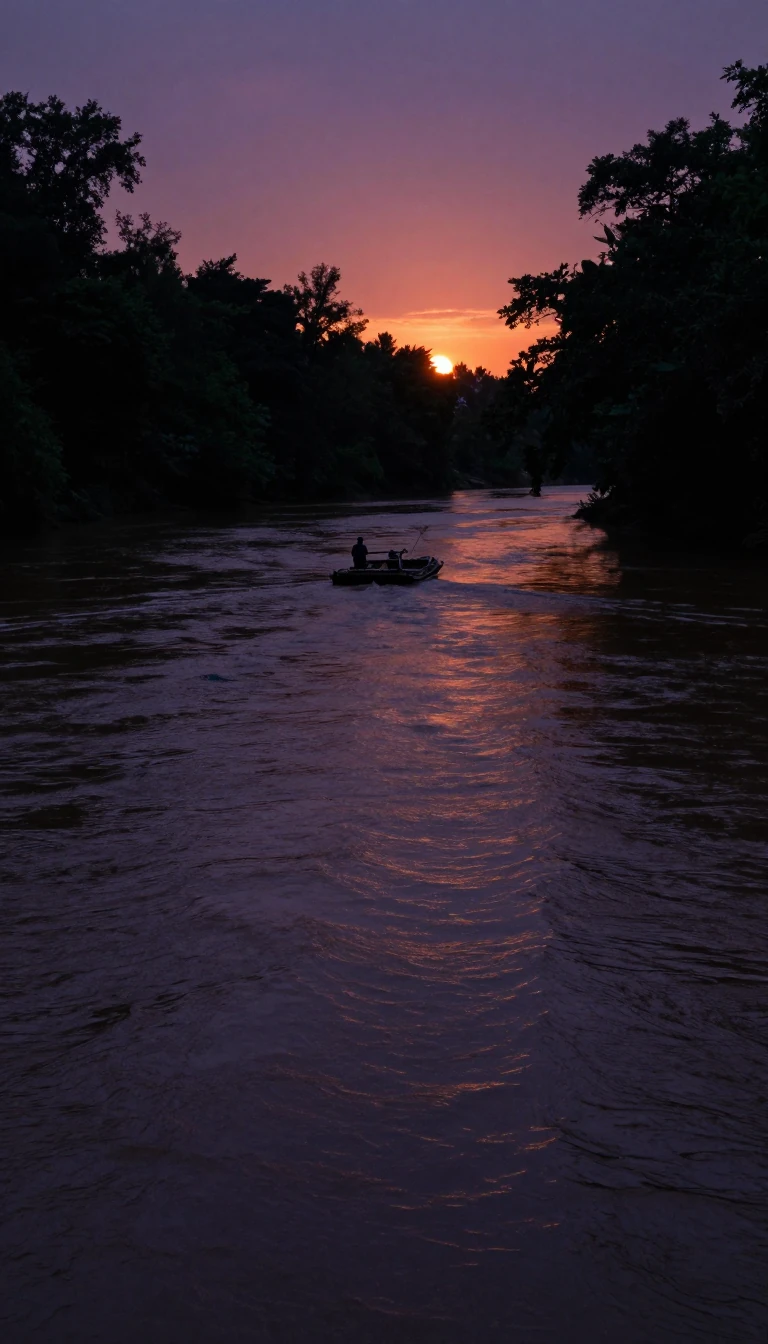
In short: Rafting has transformed from a perilous 19th-century experiment into a global adventure sport. While early pioneers navigated rivers with little more than rubber scraps, modern rafters utilize advanced materials like Kevlar and PVC. Understanding the nuances of river difficulty and safety is essential for anyone seeking this exhilarating experience.
The origins of whitewater rafting are rooted in early, often dangerous, attempts to conquer wild rivers. In 1811, an unsuccessful expedition on Wyoming’s Snake River earned it the nickname 'Mad River' due to its extreme hazards. Significant progress arrived in 1843 when Lieutenant John Fremont introduced the first rubber raft to the United States, followed by Peter Halkett’s 1844 enhancements. By the 1950s, rafting had evolved into a popular adventure sport, shifting from small, individual vessels to the multi-person rafts steered by stern guides that are common today.
Modern equipment has moved far beyond the rubber rafts of the World War II era. Today’s whitewater vessels are typically constructed from durable, repairable materials like nylon, PVC, or urethane infused with Kevlar. Propulsion methods have also specialized: paddles are preferred for smaller, lower-volume rivers where rocks pose a threat to larger gear, while oars—attached via metallic oar frames—are used on wider, flatter rivers to navigate long, slow-moving pools efficiently. These systems, whether utilizing thole pins for dangerous Class 5 waters or oarlocks for easier feathering, allow for precise control in varying conditions.
The sport is categorized by the International Scale of River Difficulty, which ranges from Class 1, requiring basic maneuvering, to the effectively unnavigable Class 6. Despite the inherent risks—such as keeper hydraulics, strainers, and undercut rocks—the overall safety of the sport has improved significantly. Meta-analyses indicate that fatalities are rare, ranging between 0.55 and 0.86 per 100,000 user days. While environmental conflicts persist regarding riverbed modifications and permit distribution, rafting remains a powerful tool for environmental stewardship, with studies suggesting that longer, immersive trips foster deeper ecological awareness among participants.
The International Rafting Federation oversees the sport globally, managing everything from recreational safety to competitive world championships. As expertise has grown, historical reputations of rivers like the Colorado have shifted, with modern safety statistics reflecting better equipment and training. Whether through commercial outfitters or independent trips, the sport continues to balance the thrill of the river with the necessity of conservation.
Opens the Intellect+ feed with this card first. Swipe up for the next one.
Sources
- Summary by Intellect · source: Rafting
- Also: Wikidata — rafting · CC0
- Also: Wikidata — Rafting · CC0
To cite this card, link to https://intellectplus.co.uk/app/sport-rafting.
How we source, check and correct cards: Editorial standards.
General information, not professional advice. Spotted an error? Flag the card or see corrections and complaints.
Intellect Plus is a visual educational discovery platform for exploring fascinating facts and ideas. Brain Food, Not Brain Rot. What is Intellect Plus?
Related
More in Entertainment · More in Sport & Games · Latest · A–Z · All topics
