The humble raft is nature's original vessel for colonizing the world's isolated islands
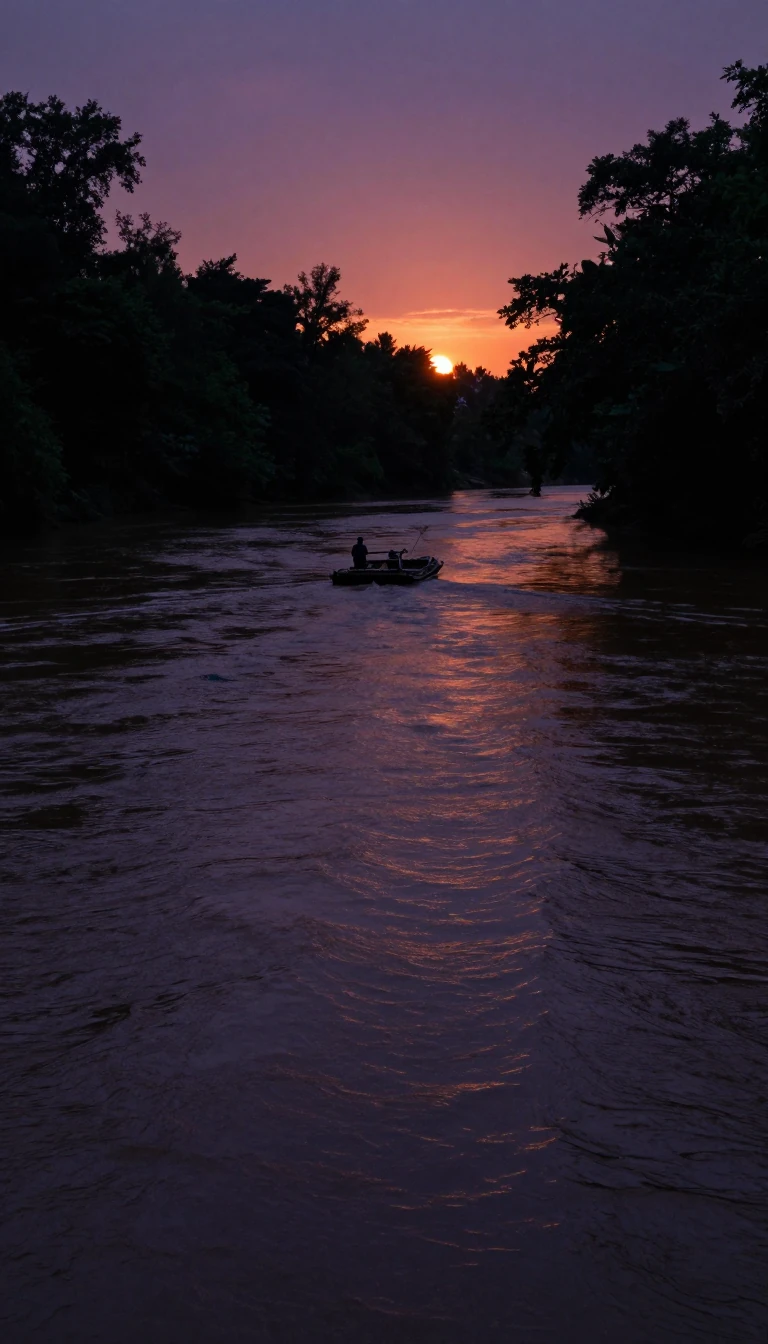
In short: While we associate rafts with recreational whitewater thrills or primitive survival, they are actually a fundamental mechanism of biological dispersal. Long before humans built ships, nature used floating mats of vegetation to transport animals across vast oceans, allowing species to reach and colonize remote islands that were otherwise unreachable.
A raft is defined by its simplicity: a flat structure designed for support or transport over water, characterized by the total absence of a hull. Historically, these vessels were constructed from basic, buoyant materials like wood, bamboo, or reeds. Early innovators expanded this by lashing together inflated animal skins or sealed clay pots to create buoyancy. Today, modern recreational rafts utilize advanced, flexible materials such as PVC, hypalon, and polyurethane, specifically engineered to withstand the intense wear and collisions encountered in whitewater environments.
Beyond human engineering, the concept of 'rafting' is a critical phenomenon in island biogeography. Natural rafts—matted clumps of vegetation swept into the sea by storms, tsunamis, or earthquakes—act as biological ferries. These organic structures can drift for thousands of miles, carrying amphibians, reptiles, and small mammals across open water. This process has served as the primary, and often only, method for non-flying animals to colonize oceanic islands throughout history. In the modern era, these natural rafts have begun to incorporate anthropogenic flotsam, such as plastic containers, which may alter their durability and impact on marine ecosystems.
Humanity has also leveraged the raft for industrial and maritime purposes. Timber rafting, once a ubiquitous method for transporting logs down rivers, remained common until the middle of the 20th century. Meanwhile, in South America, large balsa log rafts equipped with sails facilitated significant maritime trade along the Pacific coast from pre-Columbian times through the 19th century. These vessels were capable of long-distance voyages, reaching as far as Mexico. Today, researchers continue to use replicas of these ancient designs to test theories regarding historical trans-Pacific contact between South America and Polynesia, highlighting the enduring relevance of this ancient, hull-less technology.
Opens the Intellect+ feed with this card first. Swipe up for the next one.
Sources
- Summary by Intellect · source: Raft
- Also: Wikidata — Raft · CC0
- Also: Wikidata — Raft · CC0
To cite this card, link to https://intellectplus.co.uk/app/sport-raft.
How we source, check and correct cards: Editorial standards.
General information, not professional advice. Spotted an error? Flag the card or see corrections and complaints.
Intellect Plus is a visual educational discovery platform for exploring fascinating facts and ideas. Brain Food, Not Brain Rot. What is Intellect Plus?
Related
More in Maritime transport · More in Sport & Games · Latest · A–Z · All topics
