The Rugby League World Cup: A history of global expansion and persistent structural change
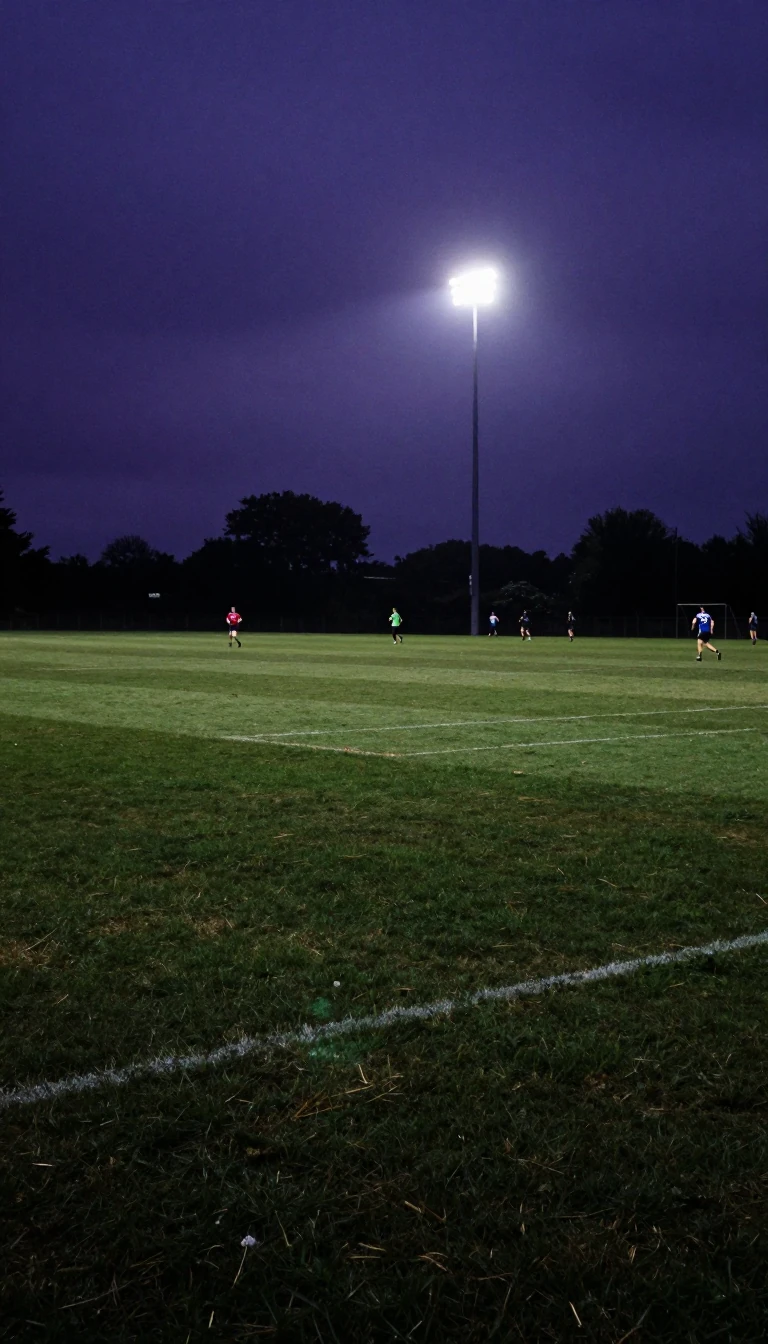
In short: The Rugby League World Cup is the oldest world championship in rugby football, dating back to 1954. Despite its long history, the tournament has faced constant reinvention, from erratic scheduling and format shifts to the inclusion of new nations, reflecting the sport's complex journey toward becoming a truly global competition.
Proposed by French Rugby League President Paul Barrière in the 1930s, the tournament finally launched in 1954. It was the first world cup for any form of rugby football, with France hosting the inaugural event. Australia has dominated the competition, securing the Paul Barrière Trophy twelve times. Great Britain, the only other multi-time winner with three titles, claimed the first championship in 1954 and their last in 1972.
The tournament's history is marked by significant instability. Early editions suffered from inconsistent scheduling and poor attendance, notably in 1960 when live television broadcasts deterred crowds. The competition has undergone radical structural changes, including the 1975 experiment where Great Britain split into England and Wales, and the 1995 expansion that introduced a modern knockout stage. Financial challenges and the 'Super League war' led to major delays, including the postponement of the 2000 tournament and the cancellation of planned events in North America.
Recent decades have seen a push for growth and professionalization. The 2013 tournament in England and Wales was a commercial milestone, generating £3.7 million in profit and attracting a record 74,468 spectators to the final at Old Trafford. By 2021, the tournament achieved unprecedented viewership, with the IRL integrating men's, women's, and wheelchair competitions into a single, simultaneous event. Despite these successes, the tournament continues to evolve; the 2026 edition, to be hosted by Australia, New Zealand, and Papua New Guinea, will feature a reduced field of ten teams and a streamlined knockout structure.
The tournament remains a vital platform for emerging nations. Countries like Fiji, Samoa, Tonga, and Papua New Guinea—where rugby league is the national sport—have increasingly challenged traditional powers. The 2017 tournament was particularly notable for its competitiveness, as Tonga defeated New Zealand in the group stages, marking the first time a tier-two nation had beaten a top-three team in over two decades. This ongoing shift underscores the tournament's role in expanding the sport's reach beyond its traditional strongholds.
Opens the Intellect+ feed with this card first. Swipe up for the next one.
Sources
- Summary by Intellect · source: Rugby League World Cup
- Also: Wikidata — Rugby League World Cup · CC0
- Also: Wikidata — Rugby League World Cup Nines · CC0
To cite this card, link to https://intellectplus.co.uk/app/sport-rugby-league-world-cup.
How we source, check and correct cards: Editorial standards.
General information, not professional advice. Spotted an error? Flag the card or see corrections and complaints.
Intellect Plus is a visual educational discovery platform for exploring fascinating facts and ideas. Brain Food, Not Brain Rot. What is Intellect Plus?
Related
More in Sports and recreation · More in Sport & Games · Latest · A–Z · All topics
