The 2017 Rugby League World Cup: A study in logistical friction
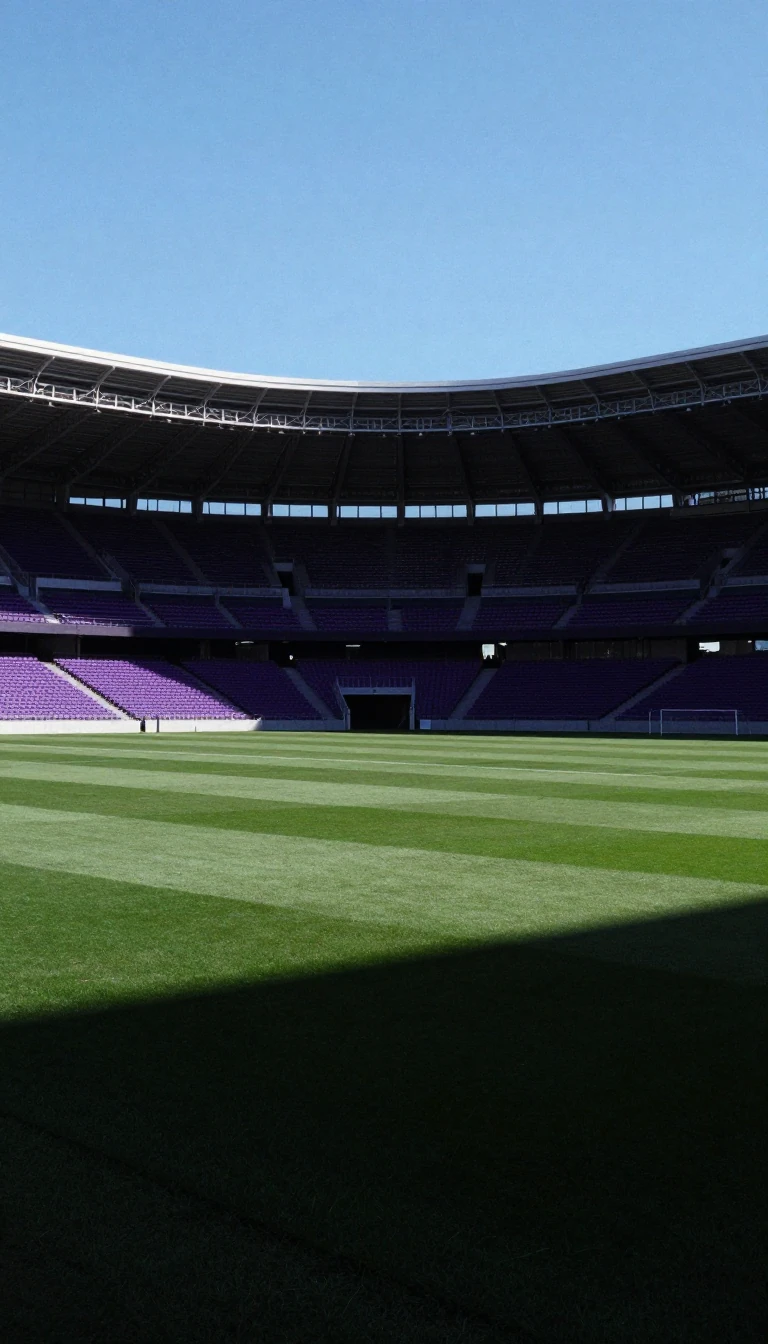
In short: Hosting a global sporting event is a delicate balance of geography, governance, and physics. While the 2017 Rugby League World Cup showcased elite athleticism across Australia, New Zealand, and Papua New Guinea, it also revealed the complex friction of international logistics and the distinct physical demands of the sport.
The tournament's geography was shaped by early diplomatic maneuvering. New Zealand Rugby League submitted a co-hosting bid with Australia as early as 2010. This joint bid eventually won out over a competing proposal from South Africa in February 2014. The event also saw a unique expansion into Papua New Guinea, which was granted automatic qualification and hosted three matches in October 2015. However, the tour faced notable local criticism; the New South Wales government refused to bid for hosting rights, leading to a 'Sydney Cup snub' where only one of the 13 confirmed venues was located in the sport's traditional heartland.
Logistical hurdles and governance issues also defined the tournament's narrative. The USA was initially denied automatic qualification due to a long-running internal governance dispute that saw their membership suspended in 2014. Furthermore, the tournament faced security challenges, including brawls between fans in South Auckland that led to multiple arrests and a massive security increase for the Samoa vs.
Tonga match. These incidents prompted some critics to label the organization as 'scrambled' compared to other major international sporting events. On the field, the tournament provided a rare data set for sports science. Researchers analyzed 24 male professional players across six matches to differentiate the physical demands of attacking versus defending. They found that while forwards completed significantly more collisions per minute when defending (2.75 per minute), backs completed more when attacking (0.63 per minute). Additionally, both forwards and backs exhibited substantially greater high-speed distance per minute during attacking phases, providing coaches with a blueprint for training prescriptions based on specific roles. The tournament concluded with a defensive masterclass by Australia. In the final at Brisbane's Lang Park, the defending champions kept England scoreless, winning 6-0. This victory marked Australia's 14th consecutive appearance in a World Cup final, cementing their historical dominance in the sport while highlighting the extreme physical toll of elite competition.
Opens the Intellect+ feed with this card first. Swipe up for the next one.
Sources
- Summary by Intellect · source: 2017 Rugby League World Cup
- Also: Locomotor and collision characteristics by phases of play during the 2017 rugby league World Cup
- Also: ResearchOnline at James Cook University (James Cook University) — Scotland Students Rugby League World Cup Evaluation · CC0 (metadata)
To cite this card, link to https://intellectplus.co.uk/app/wars-2017-rugby-league-world-cup.
How we source, check and correct cards: Editorial standards.
General information, not professional advice. Spotted an error? Flag the card or see corrections and complaints.
Intellect Plus is a visual educational discovery platform for exploring fascinating facts and ideas. Brain Food, Not Brain Rot. What is Intellect Plus?
Related
More in 19th-century wars · More in Wars & Conflicts · Latest · A–Z · All topics
