From household niches to grand mausoleums, what defines a sacred shrine?
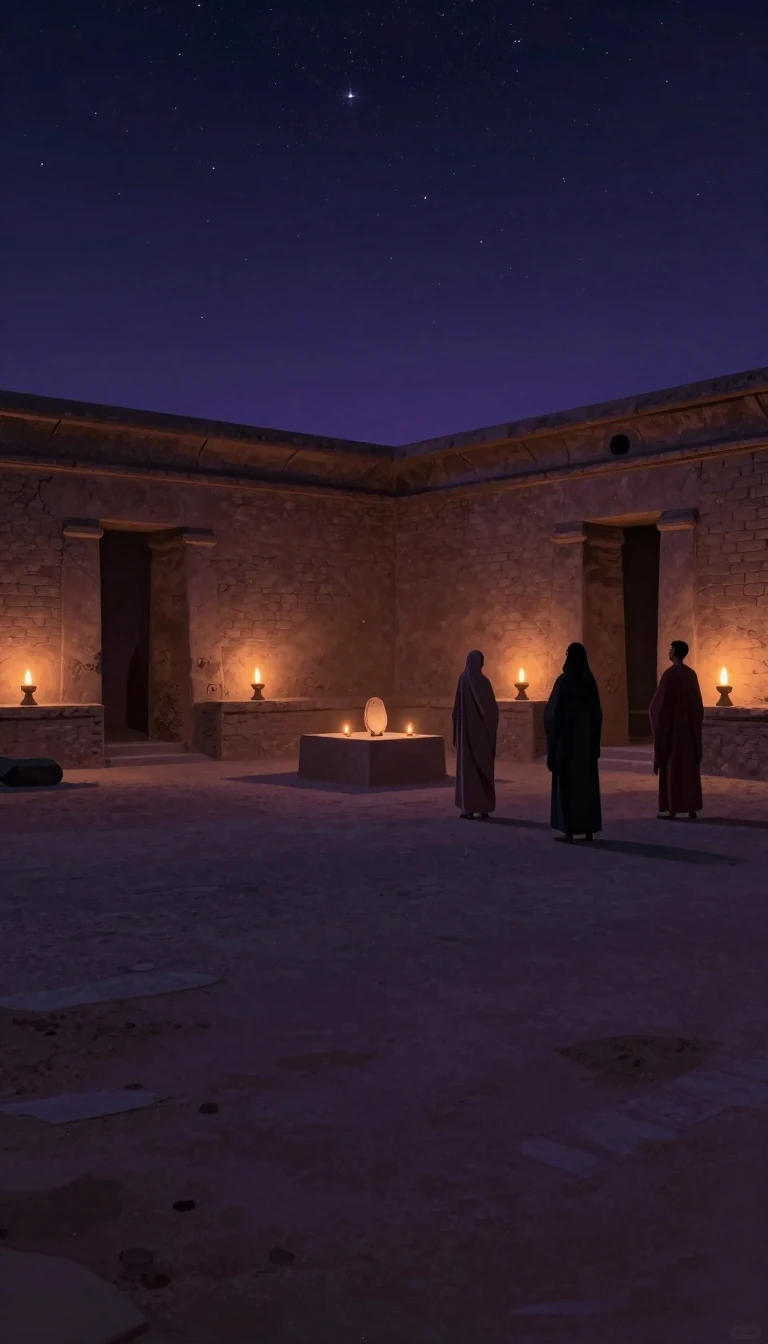
In short: A shrine is more than just a religious building; it is a dedicated space for veneration, often housing relics or cult images. Whether a simple home alcove or a monumental tomb, these sites serve as focal points for pilgrims and practitioners across diverse global traditions, from Christianity to Shinto.
The term shrine derives from the Latin scrinium, meaning a case or chest for books or papers. Fundamentally, a shrine is a sacred space set apart to venerate a specific figure, such as a deity, saint, or ancestor. Unlike temples, which may be designed for communal assembly, a shrine is often defined by the presence of a relic or cult image that serves as the object of devotion. While many are located within larger structures like churches or mandirs, they can also exist as portable objects, household setups, or outdoor markers like grottoes and roadside niches.
The practice of shrine-building is deeply contested within some faiths. In Islam, while sites like the Kaaba and the tomb of Muhammad in Medina are central to pilgrimage, modern reformist movements like Wahhabism and Salafism have historically opposed tomb shrines. These groups argue that such structures risk encouraging idolatry or polytheism. Conversely, many Sunni scholars have historically defended the practice of ziyāra, or visitation, citing consensus on its spiritual value. This tension highlights the varied ways different cultures navigate the boundary between honoring a holy figure and maintaining theological purity.
Shrines also reflect unique cultural adaptations. In the Philippines, indigenous traditions utilize spirit houses or bamboo platforms for offerings, while Germanic paganism employed sites like hörgrs and vés. In Taoism, the distinction between a shrine and a temple remains fluid, with smaller home shrines often serving as quiet spaces for meditation. Whether through the elaborate architectural donations of Sufi traditions or the simple bathtub madonnas found in American gardens, shrines remain a persistent human mechanism for creating a tangible connection to the sacred.
Opens the Intellect+ feed with this card first. Swipe up for the next one.
Sources
- Summary by Intellect · source: Shrine
- Also: Wikidata — Shinto shrine · CC0
To cite this card, link to https://intellectplus.co.uk/app/sport-shrine.
How we source, check and correct cards: Editorial standards.
General information, not professional advice. Spotted an error? Flag the card or see corrections and complaints.
Intellect Plus is a visual educational discovery platform for exploring fascinating facts and ideas. Brain Food, Not Brain Rot. What is Intellect Plus?
Related
More in Sports and recreation · More in Sport & Games · Latest · A–Z · All topics
