Shinto shrines were once just sacred groves, not the grand buildings we see today.
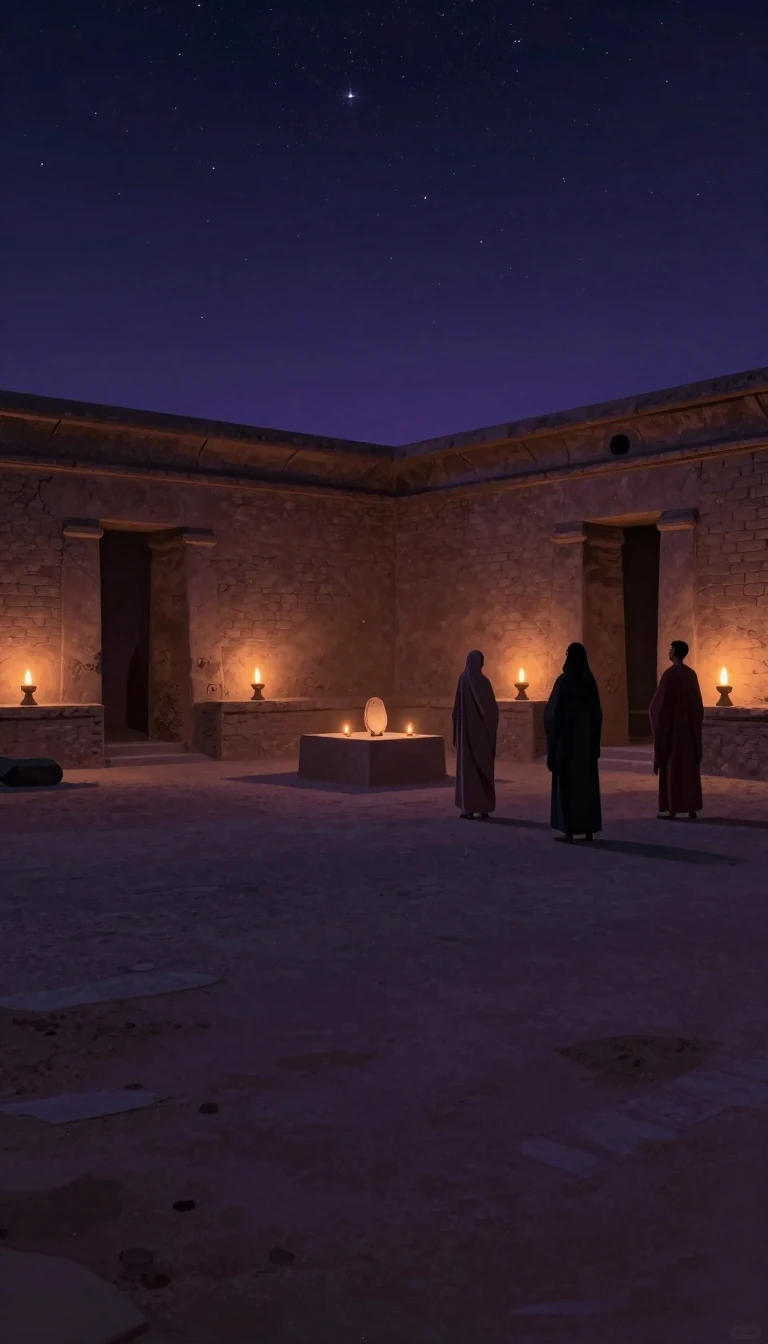
In short: Long before the iconic architecture of modern Japan, Shinto shrines began as simple, temporary spaces in nature. These sacred sites evolved from humble huts built to house spirits into a complex religious system, shaped by centuries of political decree, Buddhist influence, and a fierce, state-mandated separation of faiths.
The origins of the Shinto shrine lie in the natural world. Ancient village councils gathered in quiet forests or near mountains, using natural objects called yorishiro to attract kami, or deities. These early sites were not permanent structures; they were temporary spaces where rituals were performed to ensure good harvests. The term hokora, one of the oldest words for a shrine, likely evolved from 'kami repository,' suggesting that the first buildings were merely small huts designed to house these yorishiro.
As agriculture developed, the need for more formal worship grew. The arrival of Buddhism in the 6th century introduced the concept of permanent religious architecture. For over a millennium, Shinto and Buddhism were deeply intertwined in complexes known as jingū-ji, where shrines and temples stood side-by-side. Kami were believed to be subject to karma and in need of Buddhist salvation, leading to a syncretic culture where the same buildings often served both faiths. This era saw the adoption of architectural elements like tower gates and stone lanterns, which were borrowed from Buddhist traditions.
The modern identity of the Shinto shrine was largely forged during the Meiji Restoration. In 1868, the government issued the Shin-butsu Hanzenrei, or the Kami and Buddhas Separation Order, which forcibly severed the ties between Shinto and Buddhism. This policy triggered the haibutsu kishaku, a movement that resulted in the destruction of Buddhist property and the purging of Buddhist terminology from Shinto practices. Shrines were rebranded as jinja, and the complex, syncretic history of the previous thousand years was systematically dismantled to establish a distinct, state-regulated Shinto identity.
Despite these radical shifts, Shinto has maintained a remarkable commitment to architectural continuity through the tradition of shikinen sengū-sai. By faithfully rebuilding shrines at regular intervals, such as the Ise Grand Shrine every 20 years, the religion has preserved ancient styles that predate the arrival of Buddhism. Today, Japan is home to an estimated 100,000 shrines, ranging from miniature roadside structures to grand, state-recognized sites that continue to serve as vital links to the country's spiritual past.
Opens the Intellect+ feed with this card first. Swipe up for the next one.
Sources
- Summary by Intellect · source: Shinto shrine
To cite this card, link to https://intellectplus.co.uk/app/ideas-shinto-shrine.
How we source, check and correct cards: Editorial standards.
General information, not professional advice. Spotted an error? Flag the card or see corrections and complaints.
Intellect Plus is a visual educational discovery platform for exploring fascinating facts and ideas. Brain Food, Not Brain Rot. What is Intellect Plus?
Related
More in Eastern religions · More in Ideas & Philosophy · Latest · A–Z · All topics
