Europe's most complete Neolithic village was revealed by a storm in 1850
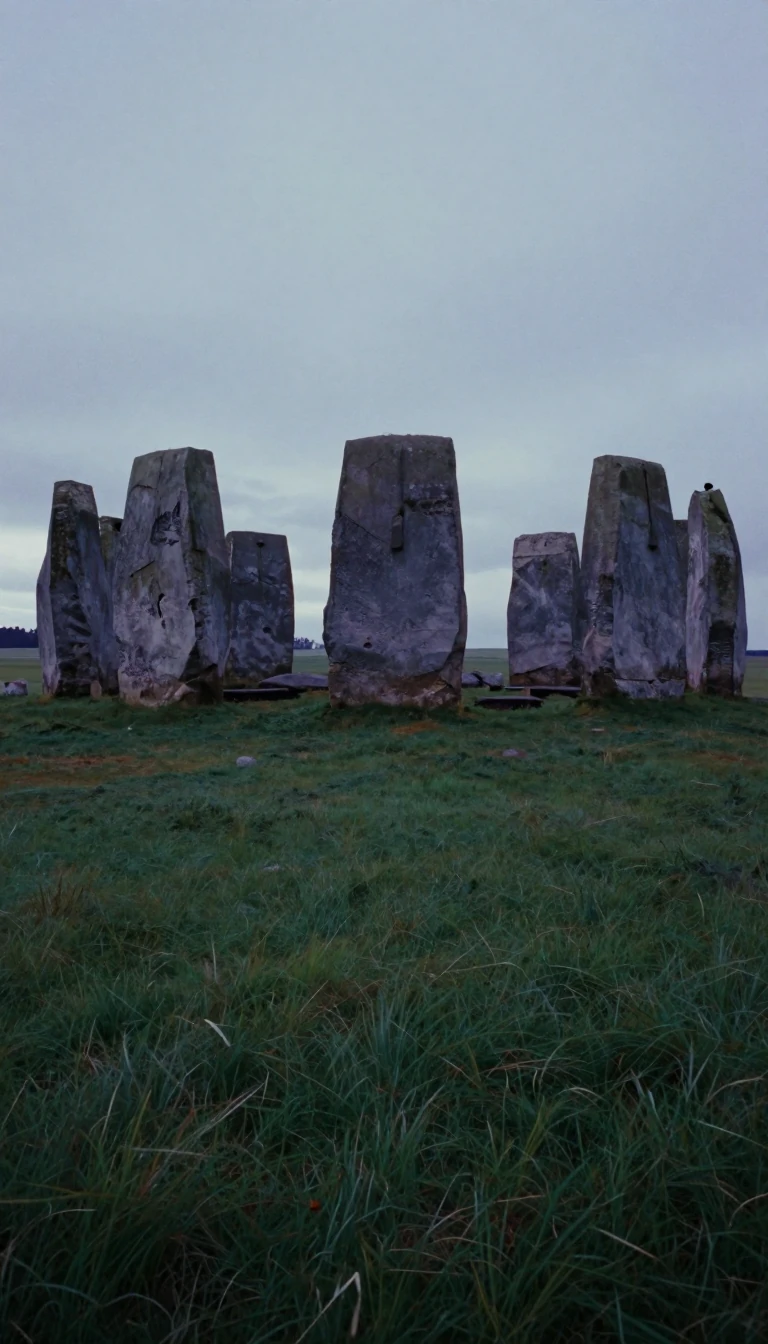
In short: Hidden for millennia beneath coastal sand dunes, Skara Brae is a remarkably preserved stone settlement on Orkney. While popular myths suggest a sudden, catastrophic abandonment, the truth of its history is far more gradual. This site offers an intimate look at the lives of pastoralists who thrived over 5,000 years ago.
Skara Brae, located on the Bay of Skaill in Orkney, was uncovered during a severe storm in the winter of 1850. The event stripped away earth from a large knoll, revealing a series of stone houses. Occupied from roughly 3180 BC until about 2500 BC, the village is considered the most complete Neolithic settlement in Europe. It is part of the Heart of Neolithic Orkney, a UNESCO World Heritage Site inscribed in 1999.
The village consists of stone-built houses featuring a consistent layout: a central hearth, stone beds, and a dresser opposite the entrance. These dwellings were once thought to be underground, but are now understood as free-standing structures insulated with midden. Excavations have revealed sophisticated details, including stone drains, waterproofed storage boxes, and evidence of a pastoral lifestyle involving cattle, pigs, and sheep. Remarkably, the site also provided the earliest record of the human flea in Europe.
While some early interpretations suggested the inhabitants were a privileged theocratic class, modern archaeological evidence points to a community of skilled makers. They produced distinctive grooved ware pottery, used haematite to finish leather, and crafted intricate items from bone and ivory. Analysis of residues in large jars even suggests they consumed an alcoholic beverage seasoned with potentially lethal, hallucinogenic plants. Despite romanticized theories of a sudden flight, experts like Anna Ritchie argue that the village was abandoned gradually, though the exact reasons remain unknown.
Today, the site faces significant threats from climate change. A 2019 risk assessment by Historic Environment Scotland and partners concluded that Skara Brae is extremely vulnerable to rising sea levels and increased rainfall. There is a persistent concern that a single severe storm could cause partial destruction, echoing the very event that first brought this ancient monument to light.
Opens the Intellect+ feed with this card first. Swipe up for the next one.
Sources
- Summary by Intellect · source: Skara Brae
- Also: Wikidata — Skara Brae · CC0
- Also: Wikidata — Skara Brae · CC0
To cite this card, link to https://intellectplus.co.uk/app/sport-skara-brae.
How we source, check and correct cards: Editorial standards.
General information, not professional advice. Spotted an error? Flag the card or see corrections and complaints.
Intellect Plus is a visual educational discovery platform for exploring fascinating facts and ideas. Brain Food, Not Brain Rot. What is Intellect Plus?
Related
More in Archaeology · More in History · Latest · A–Z · All topics
