Slacklining is not just walking a rope; it is a dynamic, bouncing, high-stakes art
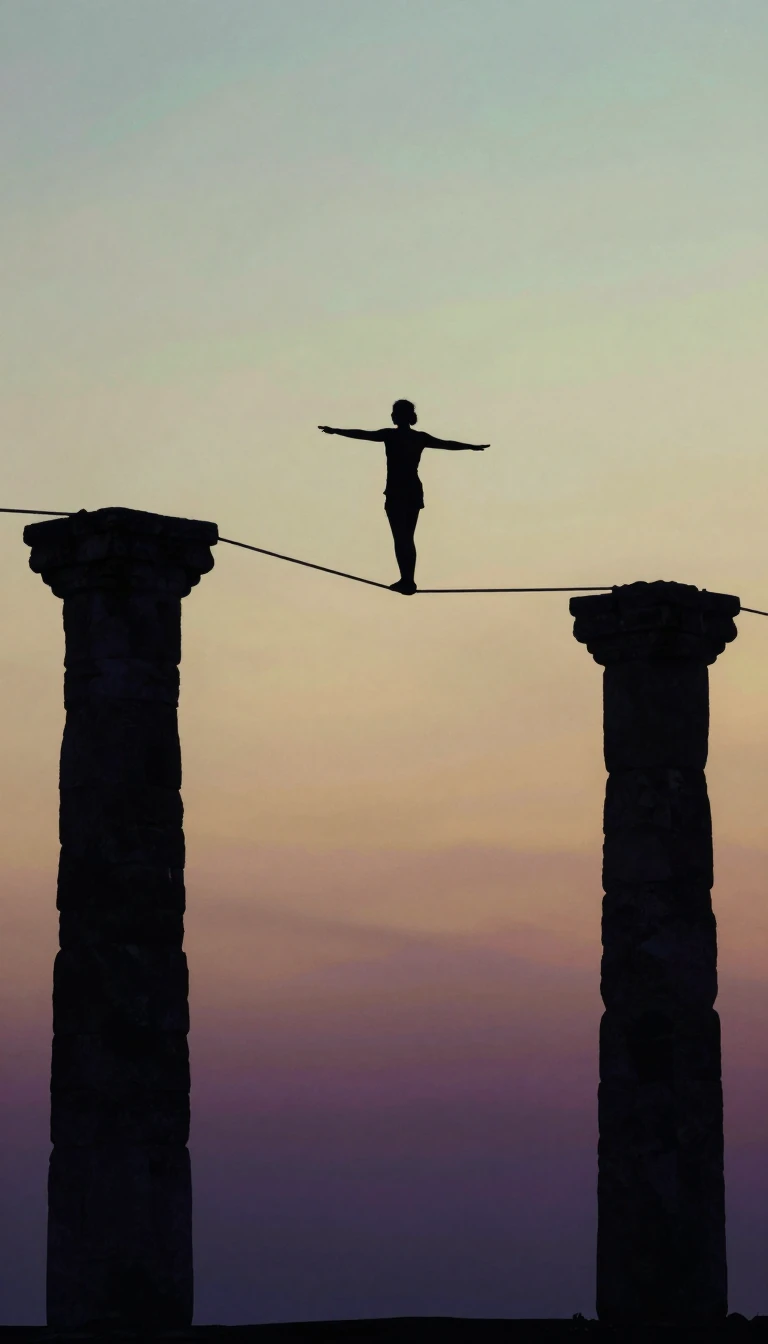
In short: Unlike the rigid, high-tension tightropes of circus fame, slacklines are designed to stretch and bounce like narrow trampolines. From urban parks to dizzying mountain gaps, this sport has evolved into a diverse discipline of balance, endurance, and extreme aerial performance that challenges the limits of human physical control.
Modern slacklining traces its origins to 1976, when 16-year-old rock climber Adam Grosowsky began experimenting with the practice in southern Illinois. While it shares a lineage with ancient rope-walking traditions, the sport distinguishes itself through the use of flat webbing rather than wire. By keeping tension low, practitioners create a dynamic surface that allows for complex maneuvers, ranging from simple walking to advanced flips and twists. This versatility has birthed various sub-disciplines, including tricklining, which focuses on acrobatic stunts, and rodeolining, a low-tension style that emerged from Colby College students in 1999.
Highlining, often considered the pinnacle of the sport, involves rigging lines at significant elevations. The first documented highline walk, known as 'The Arches', was completed by Scott Balcom and Chris Carpenter in Pasadena, California. Since then, the sport has pushed into extreme environments, such as Stephan Siegrist’s 2015 walk at an altitude exceeding 5,500 meters on Mount Kilimanjaro. Records continue to be broken, with athletes like Friedi Kühne and his team crossing a 2.1-kilometer line between the Lapporten mountains in 2021, and others pushing the boundaries of free-solo highlining, where participants walk without safety leashes.
Despite its growth, the sport carries inherent risks. The International Slackline Association, which began tracking incidents in 2009, has documented fatalities involving highlining, tricklining, and other variations. Beyond the physical danger to participants, the sport has faced regulatory scrutiny; some municipalities have banned slacklining due to concerns over damage to trees and infrastructure, or hazards posed to low-level aviation. Safety remains a critical focus, with experienced highliners utilizing redundant anchor systems and specialized gear to mitigate the risks of a sport that, at its core, is a constant negotiation between gravity and human focus.
Opens the Intellect+ feed with this card first. Swipe up for the next one.
Sources
- Summary by Intellect · source: Slacklining
- Also: Wikidata — slacklining · CC0
- Also: Wikidata — Slacklining and stroke: A rehabilitation case study considering balance and lower limb weakness · CC0
To cite this card, link to https://intellectplus.co.uk/app/sport-slacklining.
How we source, check and correct cards: Editorial standards.
General information, not professional advice. Spotted an error? Flag the card or see corrections and complaints.
Intellect Plus is a visual educational discovery platform for exploring fascinating facts and ideas. Brain Food, Not Brain Rot. What is Intellect Plus?
Related
More in Entertainment · More in Sport & Games · Latest · A–Z · All topics
