Why London's oldest theatre site once built a lake inside its own stage
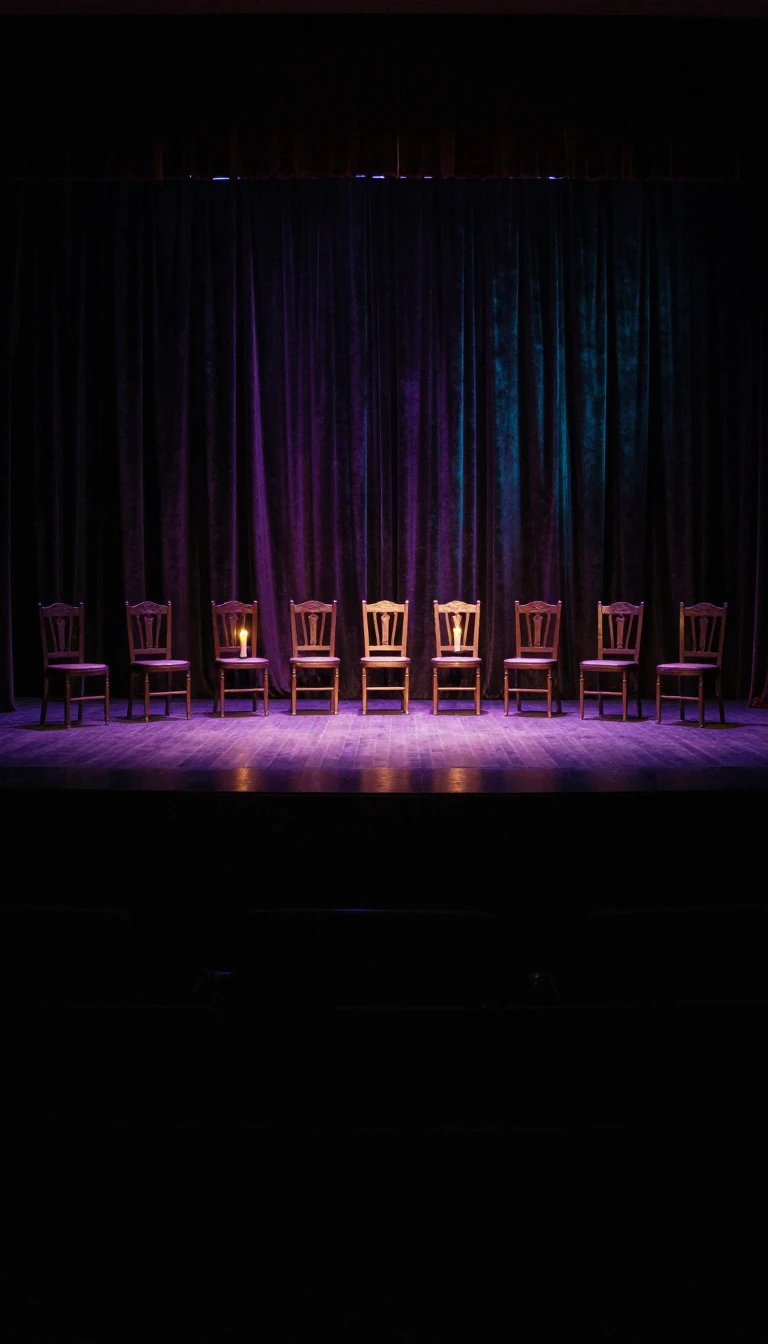
In short: The Theatre Royal, Drury Lane, has stood in London since 1663. While it is famous for hosting long-running musicals, its history includes a 1794 expansion so massive it featured a real, flowing stream and a lake large enough to row a boat, all to accommodate thousands of spectators.
The Theatre Royal, Drury Lane, is the oldest theatre site in London still in use. Since its inception in 1663, four distinct buildings have occupied the location. The first, commissioned by Thomas Killigrew, was a three-tiered wooden structure designed to compete with the technically advanced productions at Lincoln's Inn Fields. While the original playhouse was intimate, holding only 700 people, it established the venue as a premier destination for Restoration comedy, featuring legendary actors like Nell Gwyn and Charles Hart.
The theatre's evolution was defined by a constant tension between intimacy and scale. By 1794, under the management of Richard Brinsley Sheridan, the venue was rebuilt on a cavernous scale to accommodate over 3,600 spectators. This expansion utilized iron columns to support five tiers of galleries, making it the tallest building in London at the time, excluding churches. However, this shift toward spectacle—exemplified by the 1794 production featuring a literal lake on stage—drew criticism from performers like Sarah Siddons, who lamented the loss of the 'warm close observant' atmosphere of the older playhouse.
Throughout its history, the theatre has navigated financial crises, fires, and changing tastes. It survived the Great Fire of London in 1666 but burned down in 1672, 1809, and saw its 1794 iteration demolished. The current building, which opened in 1812, has hosted icons ranging from Edmund Kean to Ivor Novello. Following extensive renovations and a closure due to the COVID-19 pandemic, the theatre reopened in 2021 under the ownership of composer Andrew Lloyd Webber, continuing a legacy of innovation that began with the introduction of moveable scenery and the first professional actresses on the English stage.
The site's importance lies in its role as a patent theatre, holding a monopoly on 'legitimate' drama until 1843. This legal status forced the theatre to adapt constantly, shifting from the actor-driven repartee of the 17th century to the grand, fire-resistant spectacles of the 19th century. Today, it remains a Grade I listed building, serving as a testament to the enduring, if often volatile, nature of London's theatrical culture.
Opens the Intellect+ feed with this card first. Swipe up for the next one.
Sources
- Summary by Intellect · source: Theatre Royal, Drury Lane
- Also: Wikidata — The Theatre Royal · CC0
- Also: Wikidata — Theatre Royal, Drury Lane · CC0
To cite this card, link to https://intellectplus.co.uk/app/sport-theatre-royal-drury-lane.
How we source, check and correct cards: Editorial standards.
General information, not professional advice. Spotted an error? Flag the card or see corrections and complaints.
Intellect Plus is a visual educational discovery platform for exploring fascinating facts and ideas. Brain Food, Not Brain Rot. What is Intellect Plus?
Related
More in Cricket · More in Sport & Games · Latest · A–Z · All topics
