From Royal Playhouse to Modern Icon: The Turbulent History of Covent Garden
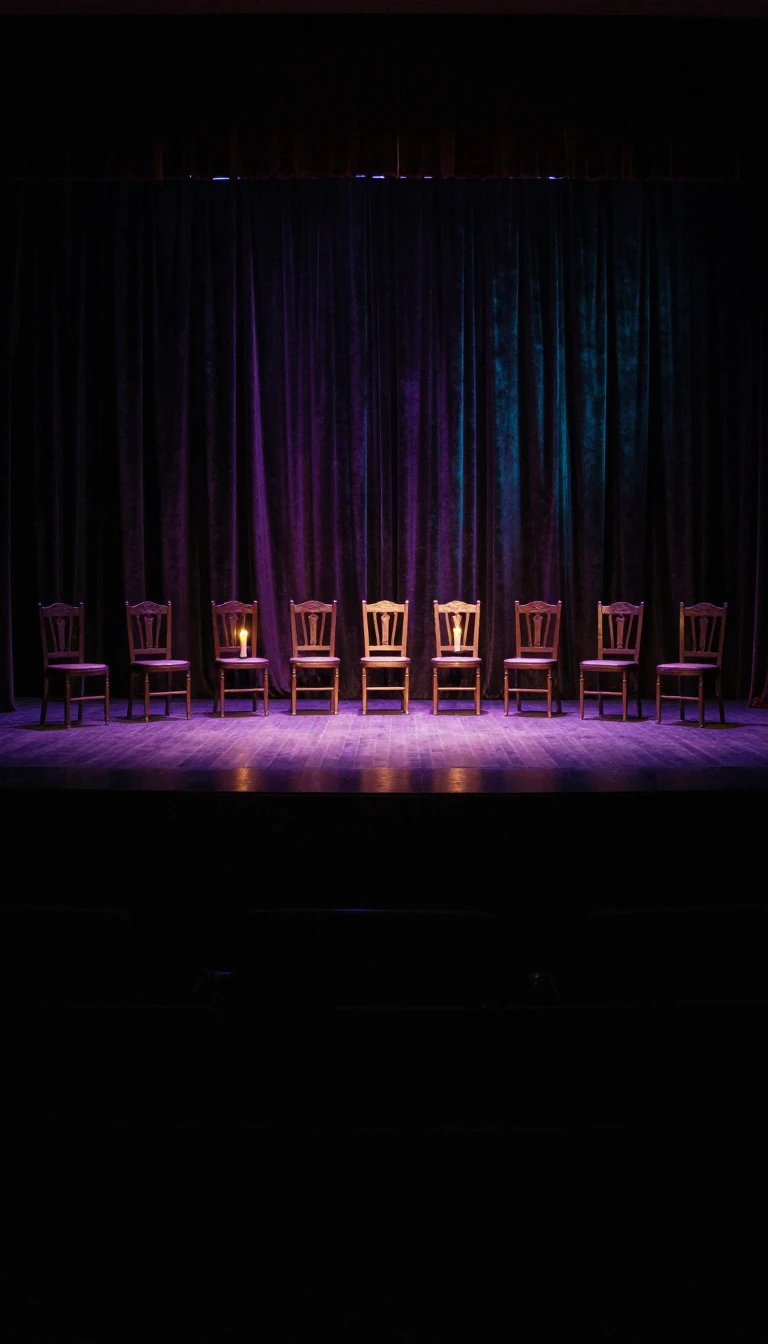
In short: The Royal Opera House is more than a stage; it is a survivor of fire, riots, and war. Originally a playhouse for spoken drama, it evolved through centuries of artistic revolution and structural reinvention to become the national home for opera and ballet, even selling art to survive modern crises.
The site of the Royal Opera House in London has hosted three distinct theatres since 1732. The first, designed by Edward Shepherd, was built using capital from the success of John Gay’s The Beggar's Opera. For its first century, the venue operated under a royal patent granted by Charles II, which strictly limited the performance of spoken drama to only two companies in the city. This monopoly sparked intense competition and frequent public disturbances, most notably the Old Price Riots of 1809, where audiences protested increased ticket prices at the second theatre by hissing and beating sticks for over two months.
The venue’s history is marked by dramatic destruction and rebirth. Disastrous fires in 1808 and 1856 leveled the first two buildings, with the latter destroying a historic organ bequeathed by George Frideric Handel. The current structure, dating from 1858, retains its traditional horseshoe-shaped auditorium, yet underwent a massive £213 million reconstruction between 1997 and 1999. This project, led by architects Jeremy Dixon and Edward Jones, demolished most of the surrounding complex to integrate modern rehearsal spaces and the public Floral Hall, transforming the site into what the institution claims is the most modern theatre facility in Europe.
Beyond its architecture, the institution has constantly adapted to changing cultural tides. It transitioned from a playhouse to a hub for opera and ballet, famously hosting the debut of Wagner’s Ring cycle in 1892. During the Second World War, the building was repurposed as a dance hall, only to be reclaimed as a national centre for the arts afterward. Even in the 21st century, the house remains resilient; facing a 60% income loss during the COVID-19 pandemic, it sold a David Hockney portrait for £12.8 million to ensure its survival. In 2024, the organisation rebranded as Royal Ballet and Opera, though the iconic building retains its historic name.
Opens the Intellect+ feed with this card first. Swipe up for the next one.
Sources
- Summary by Intellect · source: Royal Opera House
To cite this card, link to https://intellectplus.co.uk/app/art-royal-opera-house.
How we source, check and correct cards: Editorial standards.
General information, not professional advice. Spotted an error? Flag the card or see corrections and complaints.
Intellect Plus is a visual educational discovery platform for exploring fascinating facts and ideas. Brain Food, Not Brain Rot. What is Intellect Plus?
Related
More in Cultural venues · More in Art · Latest · A–Z · All topics
