One accidental touch can decide a championship game
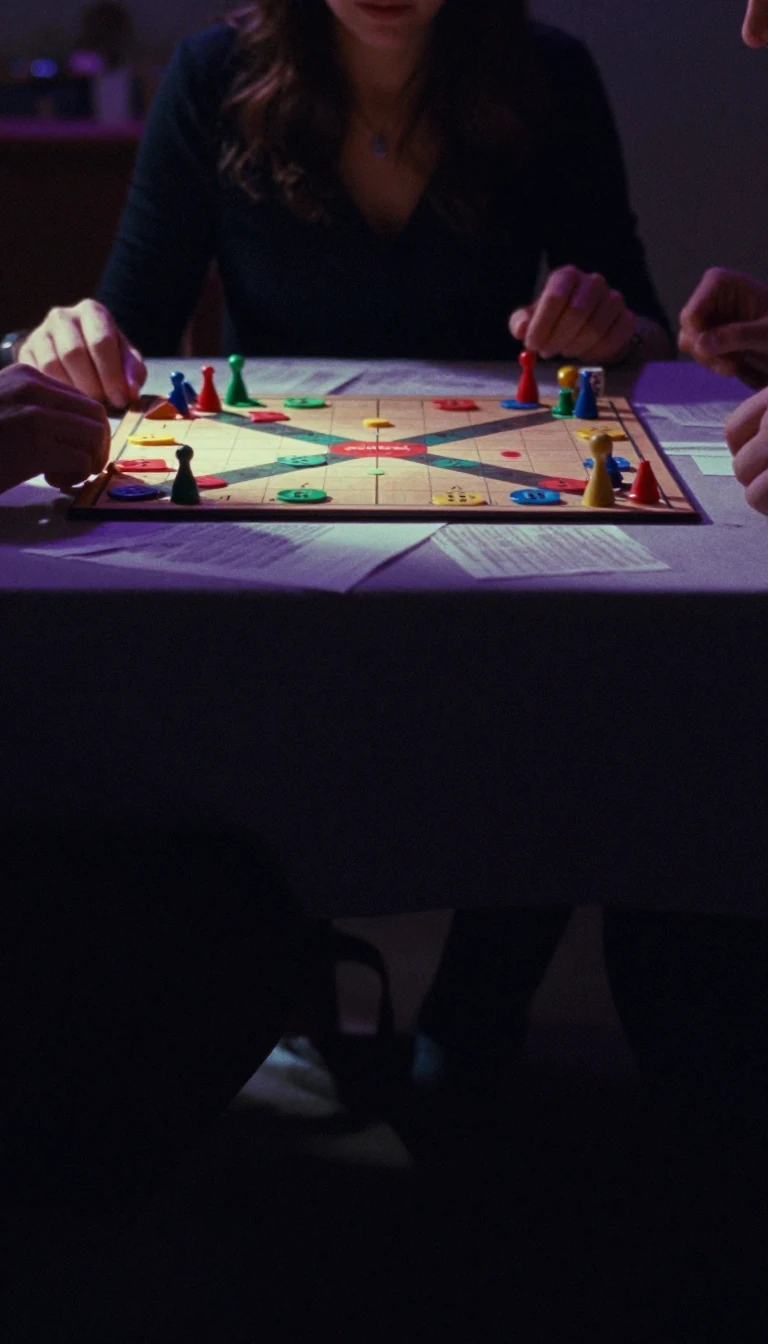
In short: In professional chess, a single slip of the fingers can turn a winning advantage into a sudden, devastating loss. Under the strict touch-move rule, once you deliberately touch a piece, you are legally obligated to move it if a legal move exists.
The touch-move rule is a cornerstone of formal over-the-board competition. It dictates that if a player deliberately touches one of their own pieces, they must move that piece to a legal square. If they touch an opponent's piece, they must capture it if possible. If the touched piece has no legal moves, there is no penalty. To avoid this obligation when simply centering a piece, players must announce "j'adoube" (French for "I adjust") before making contact.
The stakes of this rule are illustrated by several historical blunders. During the 1960 Buenos Aires tournament, Bobby Fischer moved his h-pawn aiming for 12...h6, only to discover the error was ruinous. Forced by the rule to play either 12...h6 or 12...h5, he chose the latter and resigned just ten moves later. Similarly, in 1889, Semyon Alapin resigned immediately after touching his king's bishop, realizing he was now compelled to move it and lose his knight.
The rule has evolved significantly. In the 19th century, some rules required a player who made an illegal move to move their king, a practice that led to "tragicomedies" like the 1893 game between Lindemann and Echtermeyer, where a forced king move led to immediate checkmate. Today, while online chess often allows players to retract accidental touches, FIDE and USCF online platforms may enforce touch-move by disallowing other pieces once one has been picked up. The rule remains a vital mechanism for maintaining the integrity of physical, high-stakes play.
Opens the Intellect+ feed with this card first. Swipe up for the next one.
Sources
- Summary by Intellect · source: Touch-move rule
- Also: Wikidata — touch-move rule · CC0
To cite this card, link to https://intellectplus.co.uk/app/sport-touch-move-rule.
How we source, check and correct cards: Editorial standards.
General information, not professional advice. Spotted an error? Flag the card or see corrections and complaints.
Intellect Plus is a visual educational discovery platform for exploring fascinating facts and ideas. Brain Food, Not Brain Rot. What is Intellect Plus?
Related
More in Chess · More in Sport & Games · Latest · A–Z · All topics
