The first traffic light exploded in London, but the technology eventually saved millions of dollars.
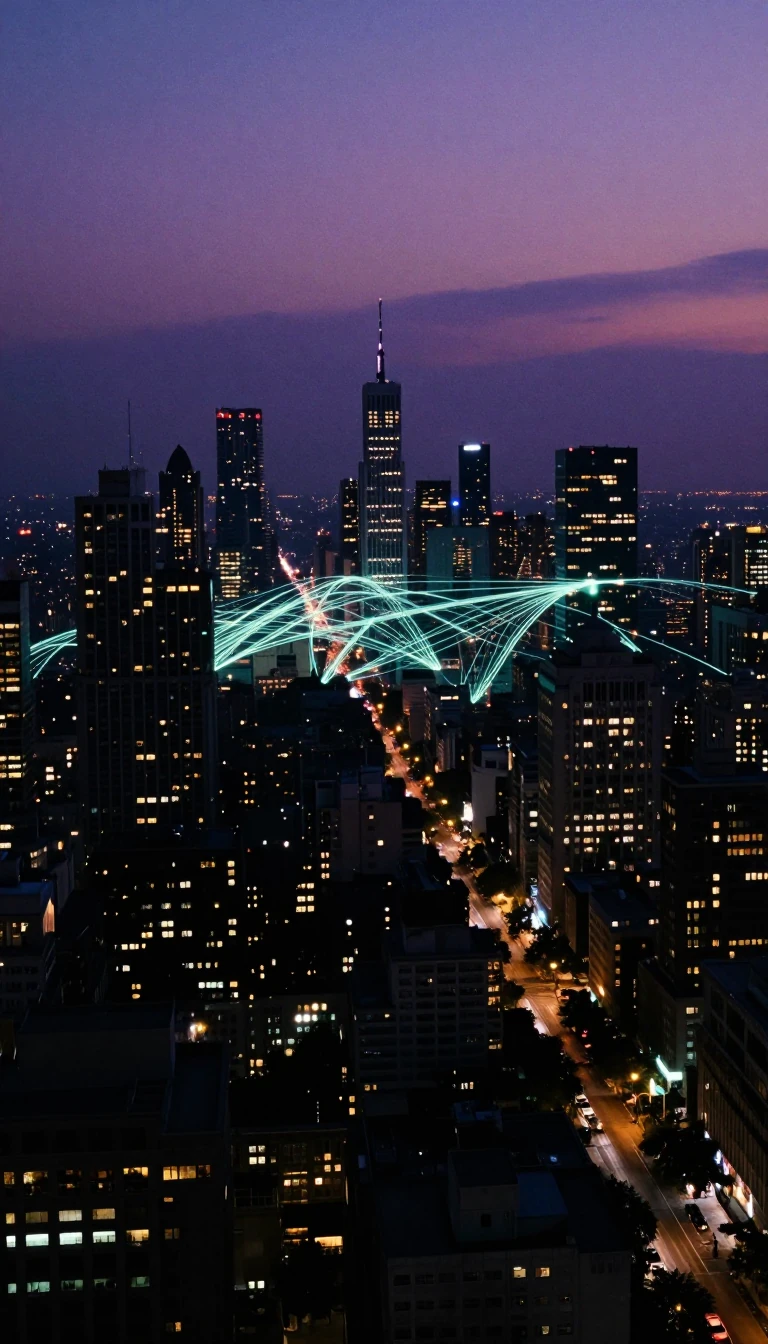
In short: Before modern signals, traffic was managed by police officers. In 1868, London installed the first gas-lit semaphore system, which promptly exploded. Today, traffic lights are sophisticated, computer-controlled networks that manage complex intersections, pedestrian safety, and even variable lane flows, proving that the simple red-amber-green sequence hides a complex engineering history.
The evolution of traffic control began in December 1868 on Parliament Square, London, where John Peake Knight installed semaphore arms and gas-lit signals to reduce the burden on police. This early system was short-lived, failing after an explosion on January 2, 1869. Despite this, the concept spread. By the early 20th century, semaphore signals were common across the United States, still requiring manual operation by officers. The transition to electricity arrived in 1912 with Lester Wire in Salt Lake City, followed by the first installation in Cleveland in 1914. By 1920, William Potts of Detroit had introduced the three-color, four-way system, adding the amber caution light we recognize today.
The shift toward automation was driven by economics. By 1922, cities began replacing traffic officers with automatic timers. New York City, for instance, saved $12,500,000 by reassigning 5,500 officers from its traffic squad. As technology advanced, the 1950s brought computerized control, with Denver serving as an early pioneer in 1952. By 1967, Toronto utilized advanced computers to monitor 159 signals via telephone lines, marking a significant leap in intersection capacity and efficiency. These systems have since evolved to include pedestrian-specific signals, HAWK beacons, and variable speed signs designed to keep traffic moving smoothly.
International standardization remains elusive despite the 1968 Vienna Convention. While many countries follow the red-amber-green vertical or horizontal arrangement, regional variations persist. Japan, for example, historically referred to the 'go' signal as 'blue' (ao), leading to a 1973 decree to use the bluest possible shade of green. Meanwhile, safety concerns like the 'yellow trap'—where turning drivers are misled by changing signals—have led to specific bans and signage requirements in the United States. In South Korea, the lack of a legal 'dilemma zone' for yellow lights continues to spark debate, as drivers face strict penalties even when stopping safely is physically impossible.
Opens the Intellect+ feed with this card first. Swipe up for the next one.
Sources
- Summary by Intellect · source: Traffic light
- Also: Wikidata — Traffic Light · CC0
- Also: Wikidata — traffic light · CC0
To cite this card, link to https://intellectplus.co.uk/app/sport-traffic-light.
How we source, check and correct cards: Editorial standards.
General information, not professional advice. Spotted an error? Flag the card or see corrections and complaints.
Intellect Plus is a visual educational discovery platform for exploring fascinating facts and ideas. Brain Food, Not Brain Rot. What is Intellect Plus?
Related
More in Ground transport · More in Sport & Games · Latest · A–Z · All topics
