 Intellect Plus
Ground transport
105 cards. Each one is a 40-second story with a five-minute read behind it.
 The car that pioneered keyless entry and a five-star safety recordBefore you tapped a phone or swiped a card to start your car, the Renault Laguna was already experimenting with the future. It became a pioneer of both safety and convenience, sec…
 When racing prototypes wore the masks of production grand tourersIn the 1990s, the line between a road car and a purpose-built race machine blurred into a high-speed gray area. Group GT1 became a playground for 'homologation specials'—cars buil…
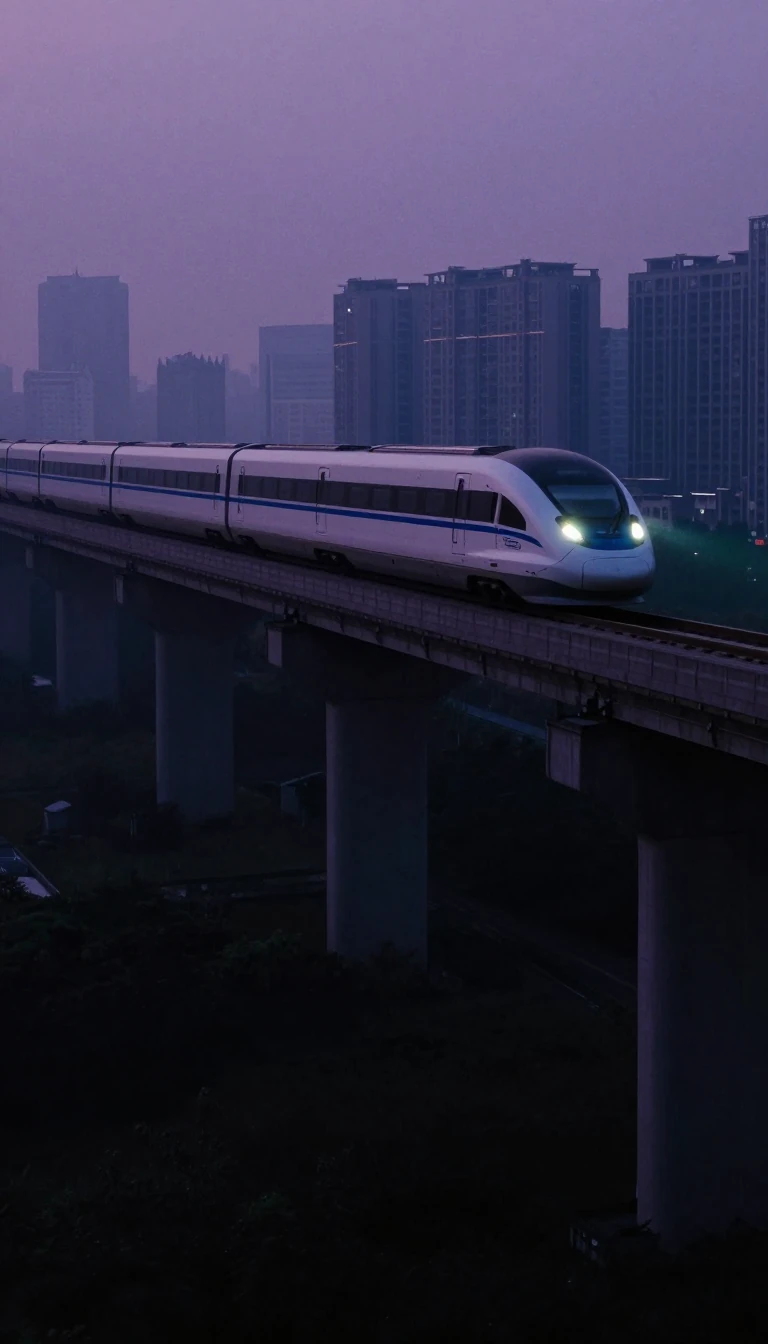 From hauling soil to urban transit: the surprising evolution of the aerial tramwayLong before they were tourist attractions or urban transit solutions, aerial tramways were industrial workhorses. The first operational system, built in 1644, used horse power to …
 The Accordion Bus: How Engineering Solved the Problem of Moving Massive Urban CrowdsKnown by many names—bendy, stretch, or accordion—the articulated bus is a masterclass in urban logistics. By linking two rigid sections with a pivoting joint, these vehicles carry…
 Why your local garage is evolving into a landscape of hyper-specialized repair facilitiesThe days of the all-purpose neighborhood mechanic are fading. Today, the automotive repair world is a fragmented ecosystem of specialized shops, from quick-lube express centers to…
 Why the humble avenue is a masterclass in architectural and urban designAn avenue is more than just a road; it is a deliberate landscape tool designed to guide the eye and command arrival. From ancient tomb-bound paths of stone lions to the grand, tre…
 From Goat-Pulled Shells to Aeronautical Engineering: The Evolution of Moving BabiesFor most of human history, carrying a child was a literal, physical burden. Today, baby transport is a high-tech industry of safety, status, and convenience. From the Victorian pe…
 Why cities are turning ordinary residential streets into priority zones for cyclistsA bicycle boulevard is a low-speed street optimized for bikes, designed to discourage through-traffic while keeping local access open. By prioritizing cyclists at intersections an…
- From iron shoes to hydraulic discs, how bicycles mastered the art of stopping.Bicycle brakes have evolved from simple iron shoes scraping against tyres to sophisticated systems that convert kinetic energy into heat. While modern riders rely on precise rim o…
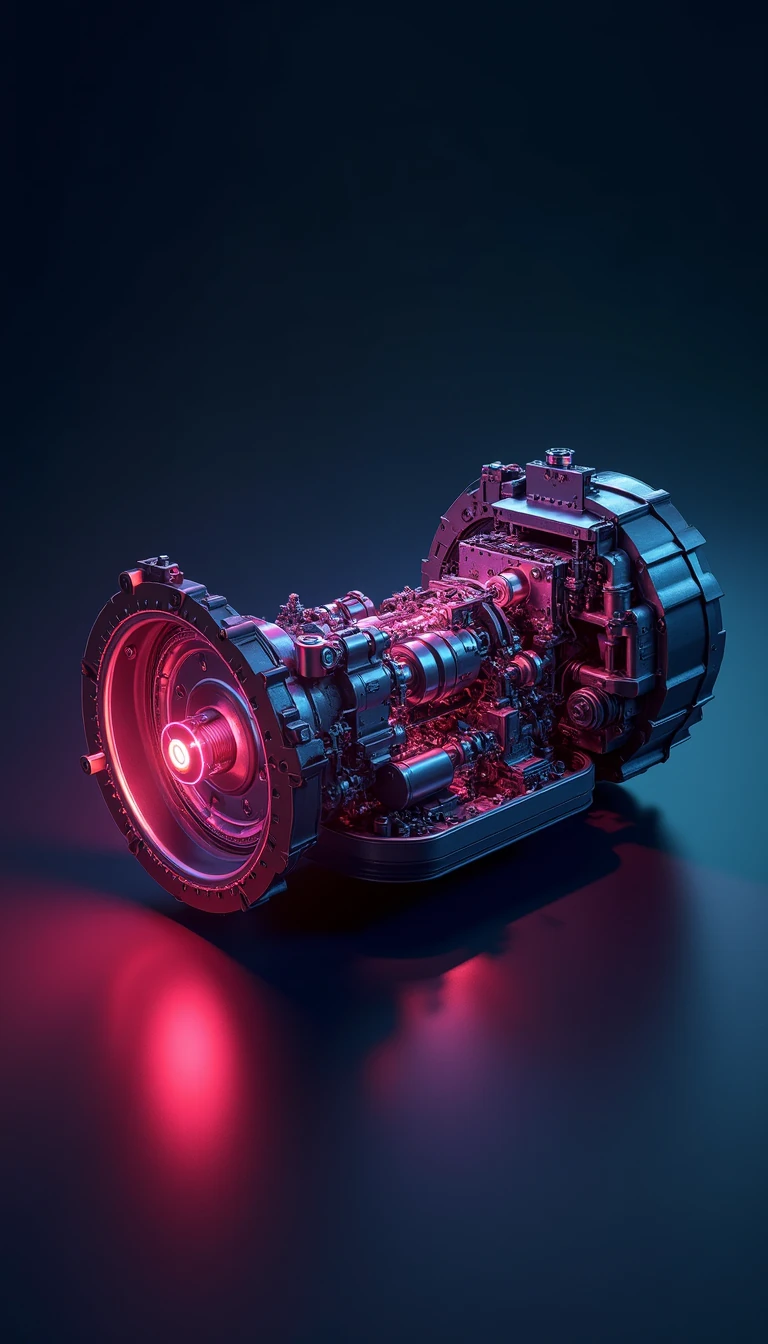 Why your twenty-four speed bicycle likely has fewer than eighteen distinct gear ratiosBicycle gearing is not just about the number of speeds printed on the frame. While manufacturers often advertise high counts, the reality of overlapping ranges and inefficient cha…
 Why the humble Sheffield rack changed urban cycling foreverBefore the Sheffield rack, cyclists struggled with wheel-bending stands that offered little security. Born from a frugal solution to repurposed gas piping in England, this simple …
- Why modern bike-sharing systems are about more than just renting a bicycleBike-sharing is a strategic urban mobility tool designed to complement public transit, reduce traffic congestion, and lower carbon emissions. While early grassroots experiments of…
- Separated bike lanes save lives and boost local business, defying common economic myths.Conventional wisdom often suggests that bike lanes hurt local commerce by removing parking. However, data from cities like Toronto shows that replacing parking with bike lanes can…
 Why the modern city boulevard was once a defensive military fortificationThe term boulevard evokes images of grand, tree-lined urban avenues, but its origins are rooted in warfare. Derived from the Dutch word for bulwark, these iconic thoroughfares beg…
 The bulldozer began as a tool for intimidation before moving mountains of earth.Before they were construction icons, bulldozers were associated with brute force and political coercion in the 19th century. Today, these tracked giants are the backbone of global…
 The hidden choreography of the bus garage: more than just a parking lotEver wonder where the city bus sleeps? A bus garage is a complex, high-stakes logistical hub designed to keep urban transit moving. From specialized night-shift shunting to the st…
 Beyond the roadside stop: How massive bus terminals orchestrate global urban movementA bus station is more than a mere stop; it is a complex logistical hub designed to manage thousands of passengers and hundreds of vehicles daily. From sprawling open-air termini i…
 Beyond the pole: how bus stops evolved from coaching inns to high-tech safety hubs.A bus stop is more than a sign on a pole; it is a critical piece of urban infrastructure. From 17th-century coaching inns to modern air-conditioned shelters and digital data nodes…
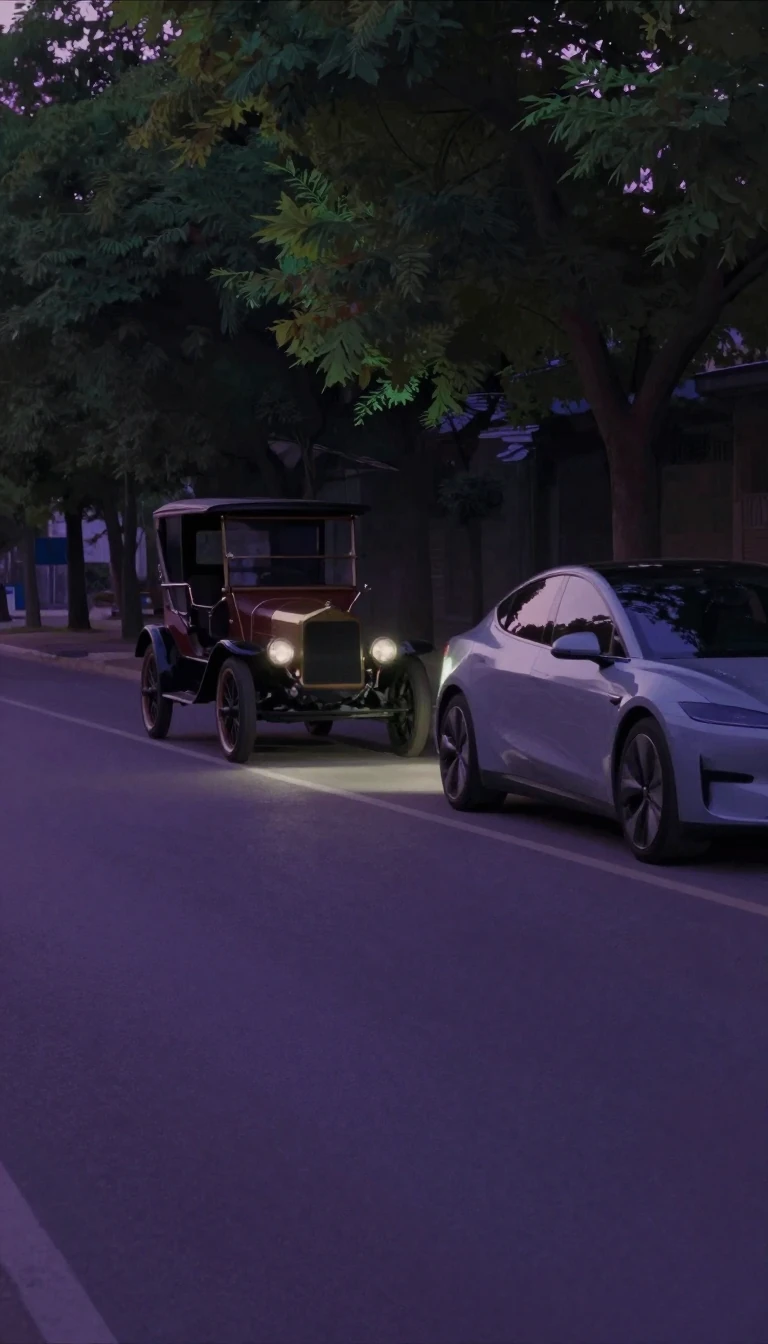 Why the world's most iconic cable cars are actually a mechanical engineering marvelBefore electric trams and subways took over, cable cars were the gold standard for urban transit. By gripping a continuously moving underground cable, these street-running machine…
 Why professional car washes are often better for the environment than your own driveway.While washing your car at home feels like a simple chore, it often sends untreated pollutants directly into local waterways. Professional facilities, by contrast, are increasingly…
- Is carpooling a modern tech innovation or a wartime rationing tactic from the 1940s?While smartphone apps now dominate the ride-matching landscape, carpooling originated as a patriotic necessity during World War II. Today, it balances between high-tech efficiency…
 Why your electric vehicle needs a translator to talk to the power gridElectric vehicles cannot drink raw grid power directly. Because batteries require direct current and the grid provides alternating current, your car acts as a translator. Understa…
- The modern motorcoach traces its linguistic and mechanical roots back to 15th-century Hungarian wheelwrights.While we associate coaches with long-distance travel and modern amenities, the term originates from the Hungarian town of Kocs. There, 15th-century craftsmen developed a horse-dra…
 Why the line between a city metro and commuter rail is often blurredCommuter rail connects metropolitan centers to suburbs, but the definition is surprisingly fluid. While typically distinguished from rapid transit by scheduled service and mainlin…
- Can better urban design turn the tide on car-centric city planning and congestion?Cycling infrastructure is more than just painted lanes; it is a sophisticated toolkit of traffic management, road diets, and superhighways. From the Netherlands to Colombia, citie…
 Why the future of public transit might look more like a taxi than a busDemand-responsive transport ditches fixed routes and rigid timetables for flexible journeys tailored to passenger needs. By using apps or phone calls to summon vehicles, these ser…
- The derailleur is a mechanical marvel that shifts gears by intentionally derailing your chain.A derailleur does not just move your chain; it forces it to jump between sprockets while managing tension. From its French roots as a term for train derailment to modern electroni…
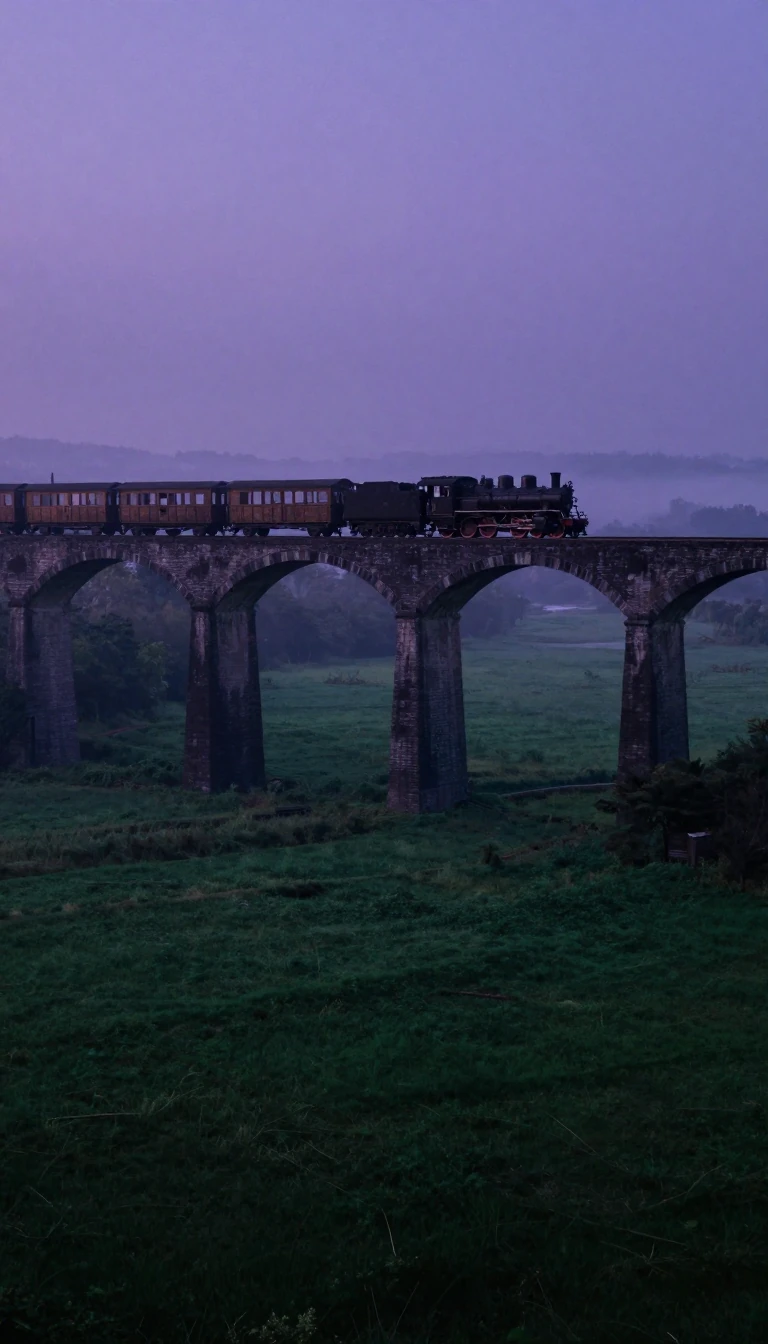 Why the diesel locomotive conquered the world by replacing steam in just decadesBy the late 1960s, diesel engines had almost entirely superseded steam as the primary motive power for nonelectrified railroads globally. This rapid transition, driven by intense …
 Why the humble dirt road is a masterclass in native engineering and physicsA dirt road is more than just a path of bare earth. It is a complex, living surface shaped by local geology, moisture, and the rhythmic physics of passing tires. While often dismi…
- Why the double-decker bus remains a masterclass in urban space efficiencyFor nearly two centuries, the double-decker bus has navigated the tension between passenger capacity and city infrastructure. From horse-drawn origins in 1853 to modern electric f…
 The dump truck is a masterclass in engineering for the world's heaviest loadsFrom humble farm origins to massive mining haulers, the dump truck has evolved into a specialized fleet of machines. Whether navigating tight construction sites or moving 450 metr…
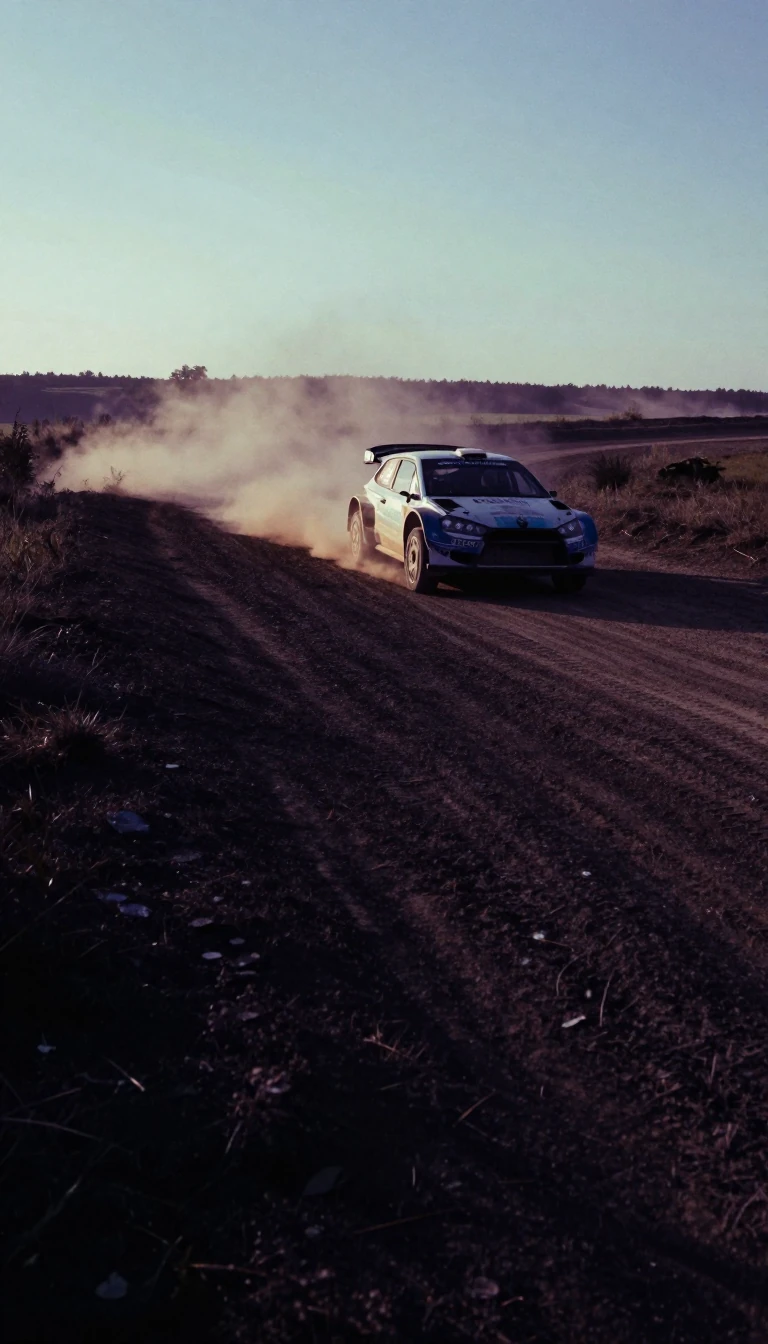 How a humble German economy car became the king of the sand dunesThe dune buggy is a masterclass in repurposing. By stripping down the iconic Volkswagen Beetle, enthusiasts created a lightweight, rear-engined powerhouse capable of conquering de…
- The electric bicycle is not a modern invention, but a 19th-century dream reborn.While e-bikes feel like a recent tech revolution, the first patents for battery-powered bicycles date back to the 1890s. Today, these machines have evolved from clunky hub-motor e…
 Are e-scooters a green urban revolution or a dangerous, high-maintenance transportation gamble?Electric kick scooters promised a clean, efficient way to navigate crowded city streets. While they offer a potential alternative to car travel, their rapid rise has sparked inten…
- Why electric locomotives are the silent, efficient workhorses of modern global rail networksElectric locomotives outperform diesel engines by nearly every metric, offering superior acceleration, lower maintenance costs, and high-efficiency regenerative braking. While the…
- Why cities lifted their trains above the streets to keep traffic movingElevated railways transformed urban transit by moving tracks above street level, solving the chaos of level crossings. From the brick arches of 19th-century London to the driverle…
- From Steam Shovels to Precision Robots: The Evolution of the Modern Hydraulic ExcavatorModern excavators are far more than simple digging machines. These versatile powerhouses have evolved from clunky steam-powered shovels into sophisticated hydraulic systems capabl…
 From bucket brigades to hydraulic cranes, the evolution of the modern fire engine.Early firefighting relied on human chains and hand-pumped reservoirs, forcing crews to stand perilously close to flames. Today, these mobile powerhouses combine high-pressure pump…
- The flatbed truck remains the heavy-duty workhorse for loads that refuse to be boxed.Before modern containers and palletized logistics took over, the flatbed was the king of the road. While these open-air rigs have largely been replaced by enclosed trailers, they …
- Why high-speed rail networks rely on bridges to keep trains from collidingA flying junction is a railway design that uses bridges or tunnels to separate tracks, preventing trains from crossing each other at grade. By eliminating the need for conflicting…
- The hidden history of the paths beneath our feet and why they matterPublic footpaths are more than simple walkways; they are ancient rights of way forged by centuries of travel to markets, churches, and burial grounds. Today, these routes face mod…
 Why freight trains are the ultimate heavy lifters of the global supply chainFreight trains are the unsung workhorses of global logistics, moving massive loads with incredible efficiency. By leveraging the low friction of steel rails, these trains transpor…
- Beyond the ski slope: how cable cars are quietly reshaping modern urban transitGondola lifts are no longer just for mountain resorts. These continuous cable systems, which circulate cabins on a loop, are increasingly being integrated into city transit networ…
- The forgotten infrastructure that once powered the global movement of goods by railBefore modern logistics shifted almost entirely to the road, goods stations were the beating hearts of industrial transport. These specialized railway hubs managed everything from…
 The handcar was the unsung workhorse that built the world's great railway networks.Before internal combustion engines took over, the handcar was the essential tool for railroad maintenance. These human-powered vehicles allowed crews to inspect tracks, transport …
 From Roman cranes to autonomous dozers, heavy equipment is the backbone of modern civilization.Heavy machinery does the work of hundreds of people in a fraction of the time. While we trace its roots to ancient Roman engineering, today's construction sites are becoming intel…
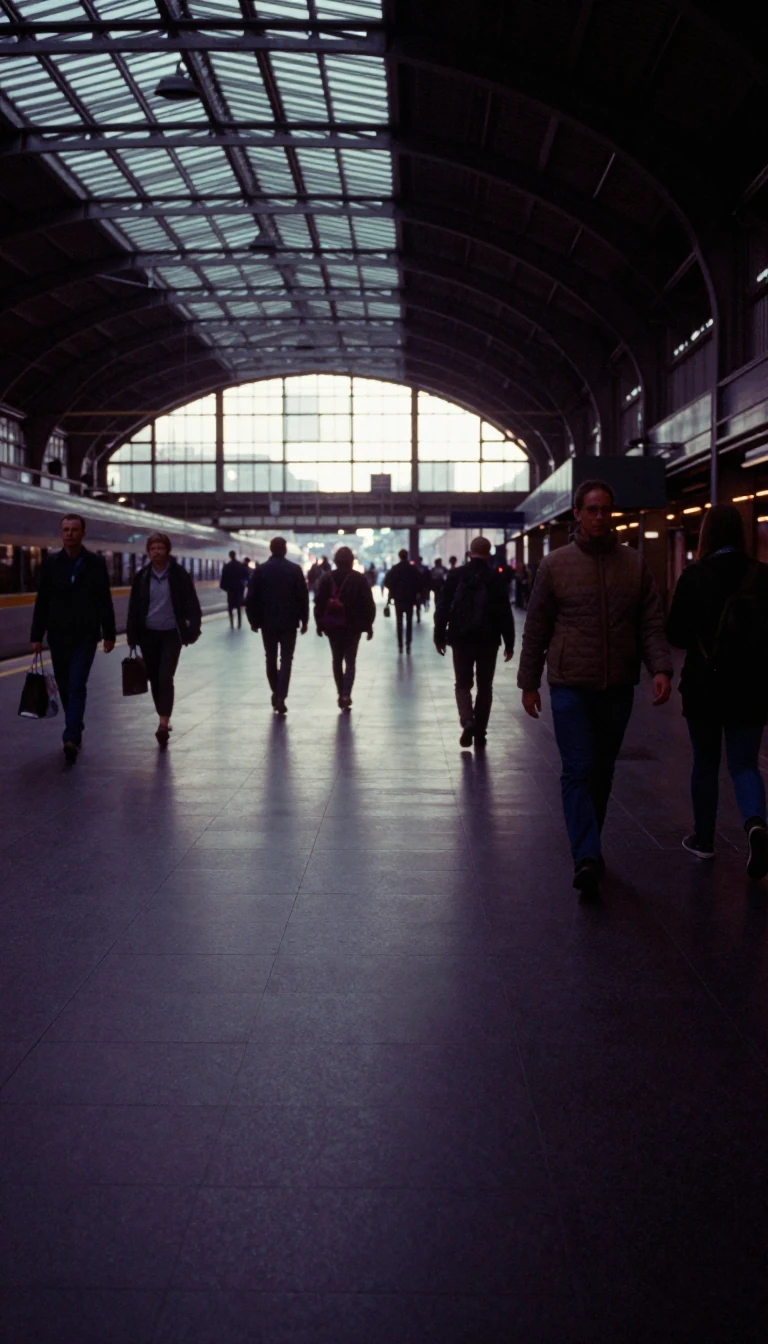 Why inter-city rail is the ultimate middle ground for modern travelInter-city rail occupies a unique space between local transit and long-haul flight. By prioritizing speed, comfort, and limited stops, these express services connect major urban c…
 Why highway engineers are abandoning the iconic four-leaf clover interchange designThe cloverleaf interchange was once the gold standard for highway junctions, but it hides a dangerous flaw: weaving. As traffic enters and exits simultaneously, vehicles are force…
 From rutted roads to high-speed highways: the evolution of the intercity coachLong-distance bus travel transformed from a slow, bone-shaking journey in 17th-century stagecoaches into a sophisticated global industry. While the rise of the private automobile …
- Why the humble intersection is the most dangerous place on the roadIntersections are the primary points of conflict in our transit networks, where roads converge and traffic streams collide. While engineers use turn lanes and signals to manage fl…
 The electric rail networks that once powered American life before vanishing into historyIn the early 1900s, interurban railways were a vital economic engine, connecting towns and rural communities with electric speed. By 1916, they spanned over 15,000 miles across th…
- From homemade wooden toys to high-speed urban transport, the humble scooter has evolved.Long before they were sleek, foldable aluminum gadgets, kick scooters were noisy, handmade wooden contraptions built from roller skates and crates. Today, these human-powered vehi…
- Why some cities choose light metro over traditional heavy-duty rapid transit systemsLight metro systems occupy a strategic middle ground in urban transit, bridging the gap between light rail and heavy rapid transit. By utilizing smaller rolling stock and automate…
 Beyond the bucket: how the humble loader became a versatile engineering powerhouseThe loader is far more than a simple shovel on wheels. From navigating tight urban construction sites to serving in military combat zones, these machines use sophisticated articul…
 The humble minibike: from backyard pit tool to a global cultural phenomenonBorn from drag racing staging areas in the late 1950s, the minibike evolved from a simple, hand-built pit tool into a massive commercial craze. Despite lacking patents and facing …
- The ambiguous middle ground of transport: why the minibus defies easy classificationSitting between a minivan and a full-size bus, the minibus is a global chameleon. From South African taxi networks to modified Ford Model Ts, these vehicles carry 12 to 30 passeng…
 From humble pickup modifications to five-ton machines, the evolution of the monster truck.Born in the late 1970s as a side act for mud bogging, monster trucks have transformed into purpose-built, high-performance machines. These giants, often weighing over 10,000 pound…
 From Lagos to London, the motorcycle taxi is the world's most agile urban transport.Motorcycle taxis are a global phenomenon, serving as essential, high-speed transit in dense urban centers. From the motodops of Cambodia to the okadas of Nigeria and the xe ôm of …
- From Klunkers to Carbon: How Mountain Bikes Conquered the World's Toughest TerrainBorn in the 1970s from modified cruiser bikes rattling down California hills, the mountain bike evolved from a DIY experiment into a high-tech machine. Today, these specialized bi…
 Why the most expensive public transit in America is often a small minibusParatransit provides door-to-door mobility for those unable to use fixed-route buses. While essential for accessibility, these services have become a financial burden for transit …