Why wakeboarding turns the boat's wake into an artificial wave for aerial tricks
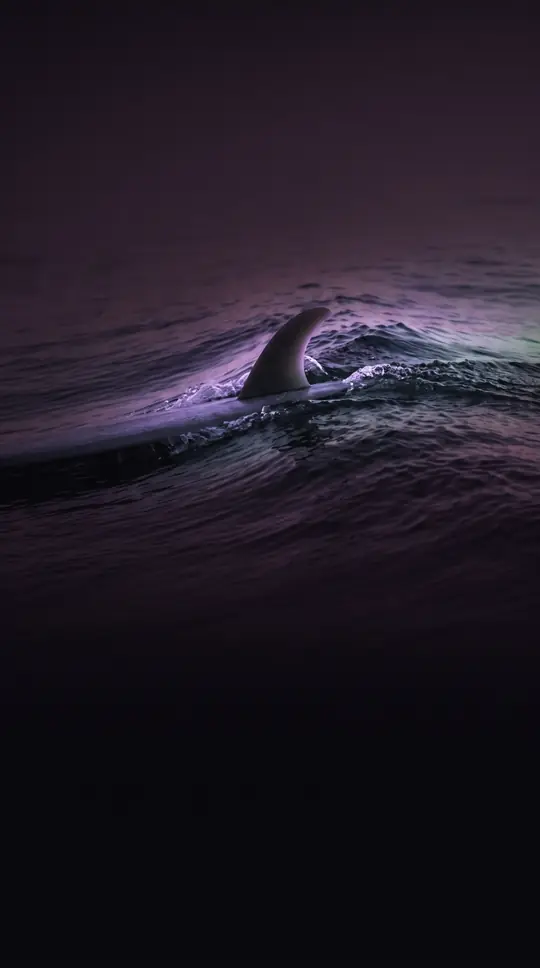
In short: Wakeboarding is the world's fastest-growing water sport, evolving from a niche mix of water skiing, snowboarding, and surfing. By using a shorter rope to treat a boat's wake as a ramp, riders launch themselves into the air to perform complex maneuvers, transforming simple water travel into a high-stakes freestyle discipline.
The roots of wakeboarding trace back to the 1950s in the USA, where water-skiers began experimenting with mono skis. By the 1960s, enthusiasts were riding surfboards on waterways, eventually leading to the development of specialized boards. In 1985, Tony Finn founded Skurfer, a pivotal moment that bridged the gap between surfing and skiing. By the early 1990s, the O’Brien company introduced the Hyperlite, a compression-molded, neutral-buoyancy board that set the standard for the modern, curvier equipment used today.
Unlike water-skiing, which emphasizes avoiding the boat's wake, wakeboarding relies on it. Riders use the wake as a kicker to gain height for aerial maneuvers. This requires precise gear, including boards with specific rocker curves—such as continuous, three-stage, or five-stage—and ropes made from low-stretch materials like Spectra or Dyneema. These advancements allow for a consistent pull, essential for executing tricks like the tantrum, a heel-side backflip often considered the first inversion for intermediate riders.
Safety remains a critical component of the sport's evolution. Because wakeboarding involves high-speed aerials, participants use specialized buoyancy aids and water-resistant, ventilated helmets. Even the length of the tow rope is a safety factor; if it is improperly sized, a rider might land on the flat water rather than the downside of the wake, risking knee injury. Today, the sport has expanded beyond boats to include cable parks and winches, making it a popular, wind-independent alternative to kitesurfing in regions like Germany.
The sport has seen an average annual growth of over 10% since 2010. This surge is supported by a robust industry of manufacturers like Ronix and Hyperlite, who leverage social media to foster community. Whether performed on natural lakes or unconventional sites like flooded roads, wakeboarding continues to push the boundaries of what is possible on water, with professional competitions like the X Games and WWA World Championships showcasing the sport's technical progression.
Opens the Intellect+ feed with this card first. Swipe up for the next one.
Sources
- Summary by Intellect · source: Wakeboarding
- Also: Wikidata — wakeboarding · CC0
To cite this card, link to https://intellectplus.co.uk/app/sport-wakeboarding.
How we source, check and correct cards: Editorial standards.
General information, not professional advice. Spotted an error? Flag the card or see corrections and complaints.
Intellect Plus is a visual educational discovery platform for exploring fascinating facts and ideas. Brain Food, Not Brain Rot. What is Intellect Plus?
Related
More in Sports · More in Sport & Games · Latest · A–Z · All topics
