How a Californian aeronautical engineer transformed surfing into a high-speed, wind-powered Olympic sport
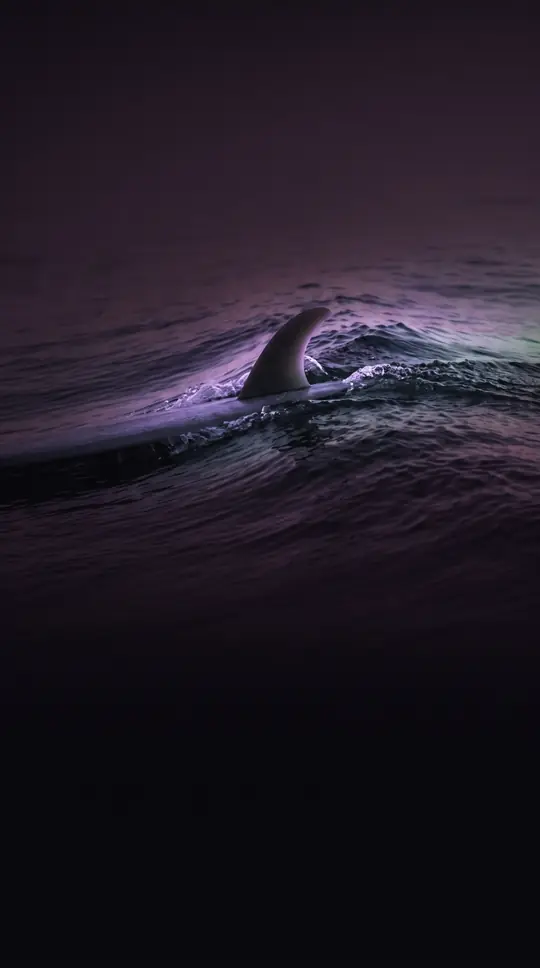
In short: Windsurfing emerged from 1960s California, blending sailing with surfing through a revolutionary free-sail system. By replacing fixed masts and rudders with a universal joint, inventors created a craft where the rider’s body acts as the steering mechanism. Today, it remains a high-performance pursuit of speed, balance, and exhilarating planing.
The origins of modern windsurfing trace back to the late 1960s, though earlier experiments existed. In 1958, Peter Chilvers built a sailboard in England, and in 1964, Newman Darby developed a rudderless sailboard in Pennsylvania. However, these designs were limited by their back-winded configurations. The breakthrough came between 1967 and 1970 when aeronautical engineer Jim Drake invented the free-sail system. By connecting the sail rig to the board with a universal joint, Drake allowed the sailor to hold the sail directly via a wishbone boom, turning the rider’s body into an integral part of the control system.
Drake and businessman Hoyle Schweitzer founded Windsurfing International in 1968, patenting the rig in 1970. While the company’s licensing practices sparked industry controversy, the sport’s popularity exploded. It gained a global following by the 1980s and officially became an Olympic sport in 1984. The equipment has since evolved into specialized categories, including wave boards, freestyle boards for aerial tricks, and slalom boards built for top speed. Modern boards utilize advanced materials like carbon fiber and epoxy to remain lightweight and stiff.
At the heart of the sport is the sensation of 'planing'—a state where the board skims across the water’s surface rather than displacing it. This transition requires a jump in energy, often achieved at wind speeds of around 12 knots, but once reached, water resistance drops dramatically. Mastering this requires developing muscle memory similar to riding a bicycle, as the sailor balances their weight against wind pressure. Whether cruising on freeride gear or performing complex rotations, windsurfing remains a demanding test of reflex and technical control.
Opens the Intellect+ feed with this card first. Swipe up for the next one.
Sources
- Summary by Intellect · source: Windsurfing
- Also: Wikidata — Windsurfing · CC0
- Also: Wikidata — windsurfing · CC0
To cite this card, link to https://intellectplus.co.uk/app/sport-windsurfing.
How we source, check and correct cards: Editorial standards.
General information, not professional advice. Spotted an error? Flag the card or see corrections and complaints.
Intellect Plus is a visual educational discovery platform for exploring fascinating facts and ideas. Brain Food, Not Brain Rot. What is Intellect Plus?
Related
More in Sports · More in Sport & Games · Latest · A–Z · All topics
