Embodied AI: where the frontier stands
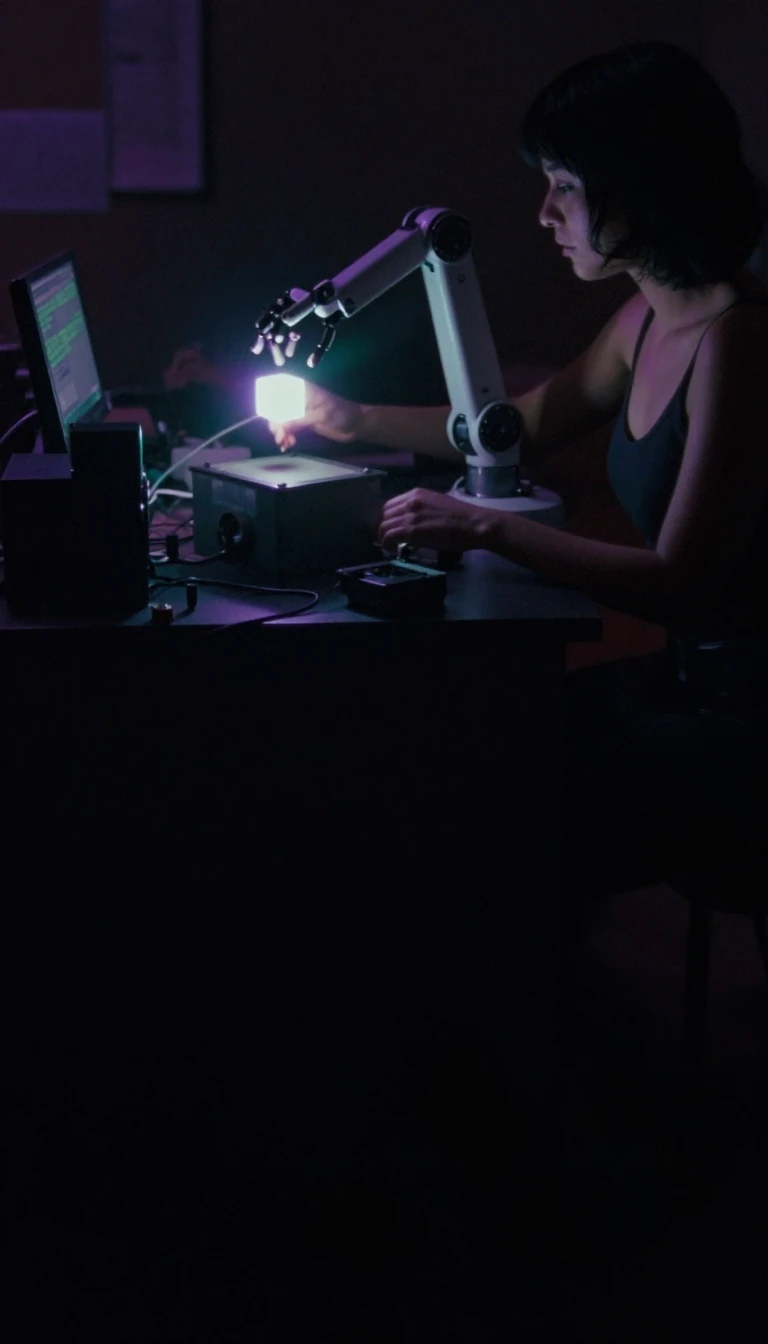
In short: Embodied AI involves intelligent agents that interact with an environment through a physical body or via graphical representation.
Evidence class: Emerging research.
Embodied agents might be physically embodied, such as mobile robots, or graphically embodied, such as Ananova or Microsoft Agent. These graphical agents can unite gesture, facial expression and speech to facilitate human-computer interaction.
Research suggests that an embodied presentation agent could result in improved recall of presented information. Furthermore, users might prefer non-verbal visual indications of an embodied system's internal state over verbal indications.
What would need to be true? • Integration of gesture, facial expression and speech to enable face-to-face communication. • Ability to perform pragmatic communication acts like conversational turn-taking and orientation in a three-dimensional environment.
What could prevent it? • Limitations in non-verbal communication channels, such as facial expression of emotions or iconic gestures.
Sources: Wikipedia, “Embodied agent (Wikipedia)” (CC BY-SA 4.0).
Opens the Intellect+ feed with this card first. Swipe up for the next one.
Sources
- Summary by Intellect · source: Embodied agent
To cite this card, link to https://intellectplus.co.uk/app/studio-embodied-ai-where-the-frontier-stands.
How we source, check and correct cards: Editorial standards.
General information, not professional advice. Spotted an error? Flag the card or see corrections and complaints.
Intellect Plus is a visual educational discovery platform for exploring fascinating facts and ideas. Brain Food, Not Brain Rot. What is Intellect Plus?
