Why your camera makes wheels spin backward and brick walls look like wavy patterns.
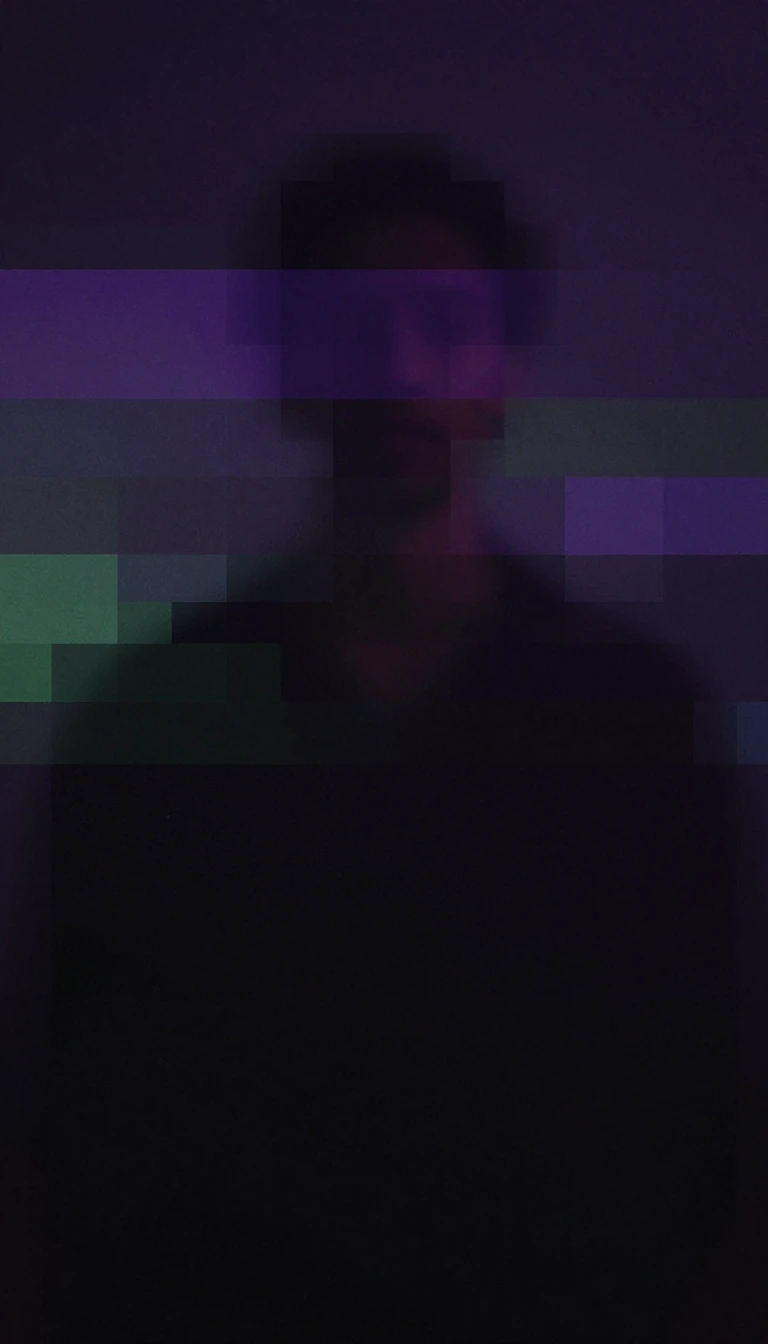
In short: Aliasing is the digital ghost in the machine. It happens when sampling a continuous signal—like light or sound—at too low a rate, causing high-frequency data to masquerade as low-frequency noise. Whether it is a spinning wheel in a video or a moiré pattern, the original signal is lost.
At its core, aliasing is a failure of resolution. When we convert continuous signals into discrete digital samples, we must adhere to the Nyquist criterion: the sampling frequency must be more than twice the highest frequency component present in the signal. If this threshold is breached, the system cannot distinguish between the original signal and its 'aliases'—frequencies that produce identical samples. This ambiguity forces the reconstruction process to misinterpret the data, creating artifacts that were never in the original source.
The phenomenon manifests in two primary forms: temporal and spatial. Temporal aliasing is common in cinematography, where a camera’s limited frame rate can make a rotating spoked wheel appear to slow down, stop, or even reverse direction. Spatial aliasing, conversely, plagues digital imagery. It is the culprit behind the shimmering, wavy moiré patterns often seen when photographing fine, repetitive textures like a brick wall. In both cases, the discrete nature of the sampling process—pixels in a camera or frames in a video—fails to capture the true, continuous motion or detail of the scene.
Engineers combat these distortions using anti-aliasing filters, which strip away high-frequency components before sampling begins. While some applications, such as digital channelizers, intentionally exploit aliasing for computational efficiency, it is generally treated as a defect to be mitigated. The term itself has a storied history in engineering; while the concept was illustrated as early as 1922, the specific nomenclature of 'aliasing' in signal processing was popularized by John Tukey and Richard Hamming in a 1949 Bell Laboratories memorandum. Today, it remains a fundamental constraint in digital signal processing, reminding us that even the most advanced technology is limited by the rate at which it observes the world.
Opens the Intellect+ feed with this card first. Swipe up for the next one.
Sources
- Summary by Intellect · source: Aliasing
To cite this card, link to https://intellectplus.co.uk/app/technology-aliasing.
How we source, check and correct cards: Editorial standards.
General information, not professional advice. Spotted an error? Flag the card or see corrections and complaints.
Intellect Plus is a visual educational discovery platform for exploring fascinating facts and ideas. Brain Food, Not Brain Rot. What is Intellect Plus?
Related
More in Media and communication · More in Technology · Latest · A–Z · All topics
