The 1992 game that invented the 3D survival horror genre
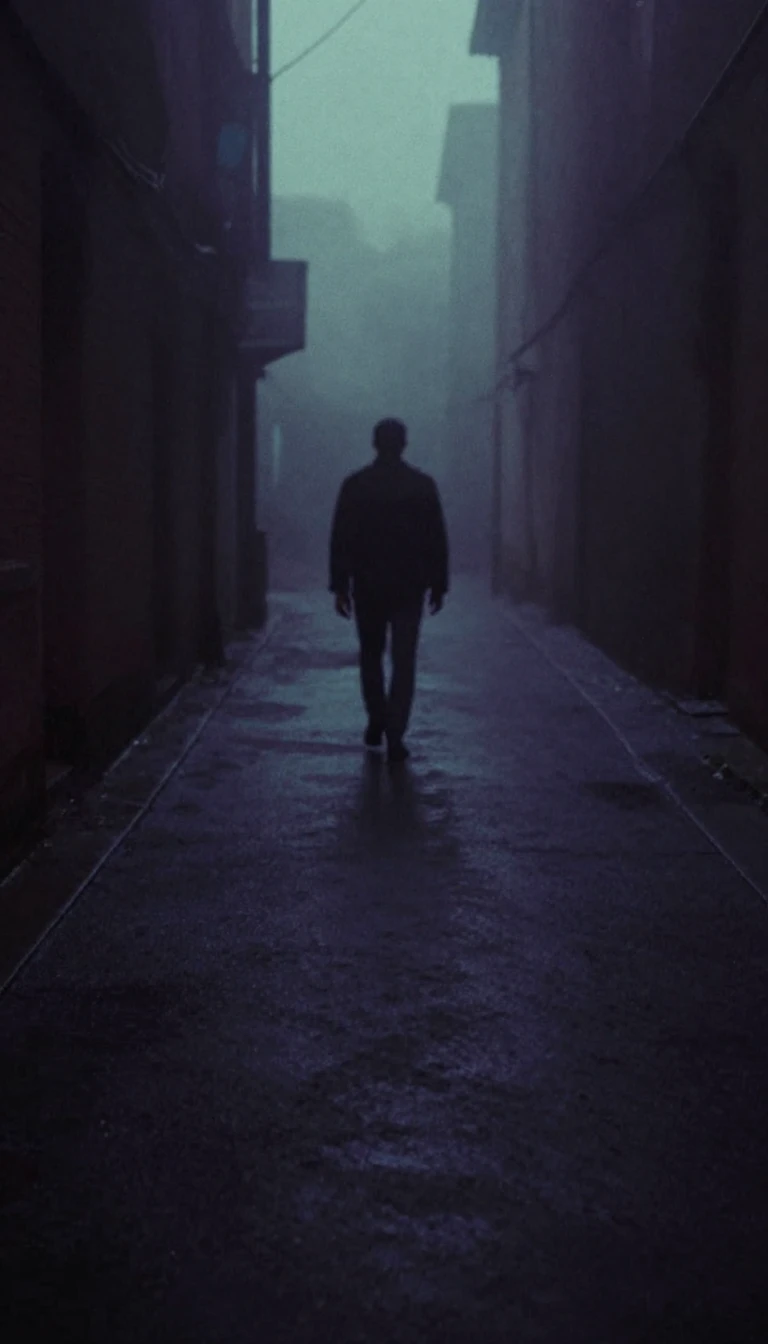
In short: Before Resident Evil defined the genre, a French developer had to invent a way to make 3D characters feel terrifying in a 2D world. By blending pre-rendered backgrounds with 3D models and fixed camera angles, Alone in the Dark created a blueprint for atmospheric dread that still haunts modern gaming.
In 1991, Infogrames CEO Bruno Bonnell proposed a game where players used matches to see in the dark. Programmer Frédérick Raynal seized this concept, aiming to create a horror experience using 3D animation. Despite initial skepticism from leadership regarding the technology, Raynal and Didier Chanfray spent their evenings building a custom 3D engine to make the vision possible. To overcome the hardware limitations of the early 1990s, the team utilized a specific technical compromise: they rendered 3D characters—averaging about 250 polygons—on top of two-dimensional, hand-drawn bitmap backgrounds. Because the computer could not render a full 3D environment, they used fixed camera angles to frame the action. The project was originally intended to be an adaptation of the Call of Cthulhu role-playing game. However, the license was eventually revoked because the developers chose to focus on atmosphere and specific creatures rather than the complex rules of the tabletop system. The game's narrative was also shaped by a screenwriter who drafted the plot in just three afternoons.
This wasn't just a limitation; it was a deliberate design choice to create an aura of apprehension by restricting the player's field of view. The game's atmosphere was further bolstered by artistic choices. Graphic artist Yaël Barroz provided backgrounds that emulated traditional paintings, while composer Philippe Vachey used Ad Lib sound cards to create a score that occasionally played monster music even when enemies were absent, tricking the player into feeling unsafe. The result was a "breakthrough" that influenced major titles like Resident Evil and established the survival horror tropes of inventory management, puzzle-solving, and non-linear exploration.
Opens the Intellect+ feed with this card first. Swipe up for the next one.
Sources
- Summary by Intellect · source: Alone in the Dark (1992 video game)
To cite this card, link to https://intellectplus.co.uk/app/technology-alone-in-the-dark-1992-video-game.
How we source, check and correct cards: Editorial standards.
General information, not professional advice. Spotted an error? Flag the card or see corrections and complaints.
Intellect Plus is a visual educational discovery platform for exploring fascinating facts and ideas. Brain Food, Not Brain Rot. What is Intellect Plus?
Related
More in Inventions · More in Technology · Latest · A–Z · All topics
