How Resident Evil: Afterlife pioneered 3D cinema technology with Segways and custom paint
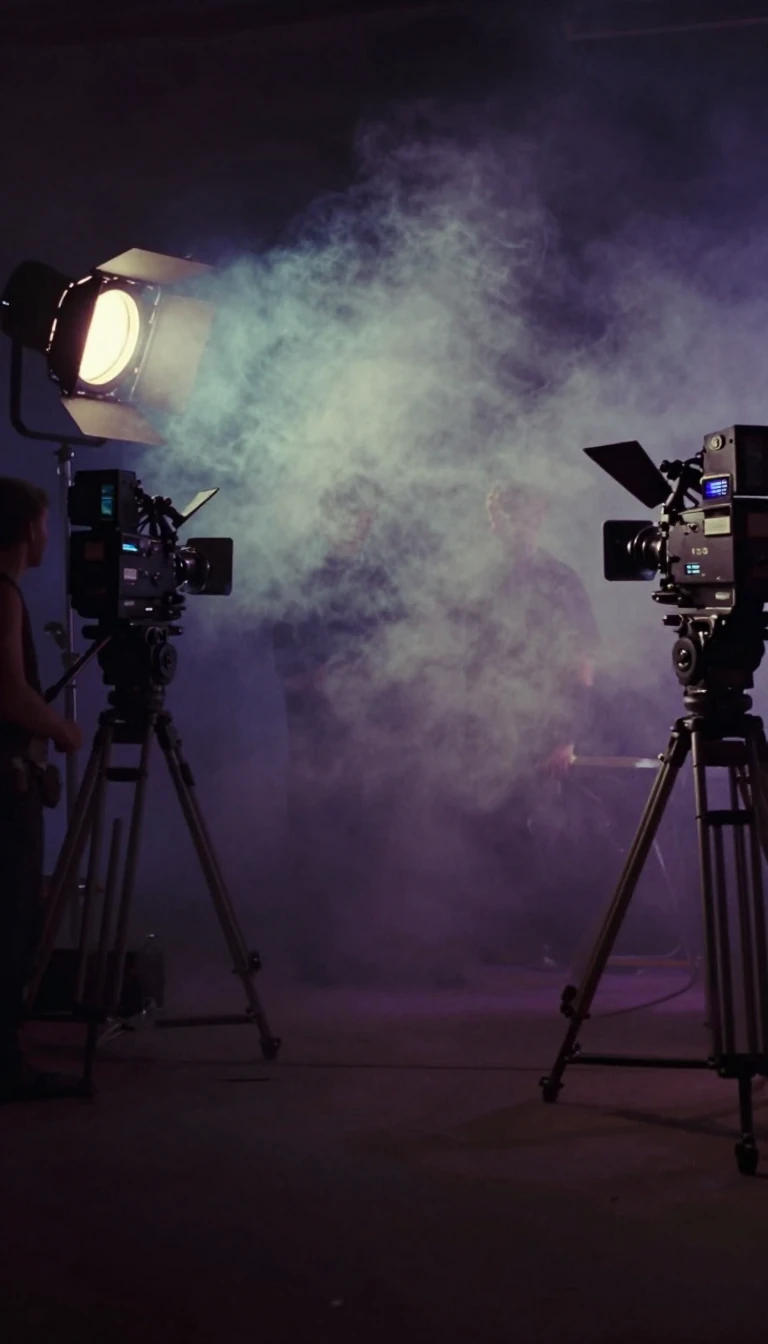
In short: To capture the high-definition, immersive aesthetic of Resident Evil: Afterlife, filmmakers abandoned traditional rigs for Segways and specialized non-reflective paint. As the first entry in the franchise shot in 3D, the production pushed technical boundaries to bring the video game's visceral, post-apocalyptic world to life on the big screen.
Released in 2010, Resident Evil: Afterlife marked a significant technical shift for the franchise. Director Paul W. S. Anderson, inspired by the visual impact of James Cameron's Avatar, opted to film using the 3D Fusion Camera System. This decision necessitated a rigorous two-week pre-production period for the crew to master the complex equipment. Because the 3D cameras were too heavy for standard Steadicam rigs, operators famously utilized Segways to achieve fluid, stabilized tracking shots during intense action sequences.
The transition to 3D introduced unique logistical hurdles, particularly regarding lighting and set design. The cameras struggled to capture reflective surfaces, forcing set decorator Cal Loucks to coat metal objects in special matte silver paint to eliminate glare. Furthermore, the cameras required significantly more light than traditional film, leading to a restrictive color palette where floors and sets were painted in deep charcoal and black to prevent overexposure. These adjustments were essential to maintain the film's clean, high-contrast aesthetic, which visual effects supervisor Dennis Berardi described as evoking the stark, dark atmosphere of Silent Hill.
Beyond the camera work, the production relied on a mix of practical and digital effects to adapt elements from the Resident Evil 5 video game. High-speed Phantom cameras, capable of shooting 200 frames per second, were employed to recreate the superhuman speed of Albert Wesker. While the team initially hoped to use 300 extras for zombie scenes, time constraints limited them to 150, with additional undead figures added during post-production. The film's success was global, grossing $300 million worldwide and becoming the highest-grossing entry in the series at the time, with 3D screenings accounting for 81% of its overseas opening earnings.
Opens the Intellect+ feed with this card first. Swipe up for the next one.
Sources
- Summary by Intellect · source: Resident Evil: Afterlife
- Also: Wikidata — Resident Evil: Afterlife · CC0
To cite this card, link to https://intellectplus.co.uk/app/places-resident-evil-afterlife.
How we source, check and correct cards: Editorial standards.
General information, not professional advice. Spotted an error? Flag the card or see corrections and complaints.
Intellect Plus is a visual educational discovery platform for exploring fascinating facts and ideas. Brain Food, Not Brain Rot. What is Intellect Plus?
Related
More in UK & Ireland: places · More in Countries & Cities · Latest · A–Z · All topics
