The arithmetic logic unit is the silent engine powering every calculation in your computer.
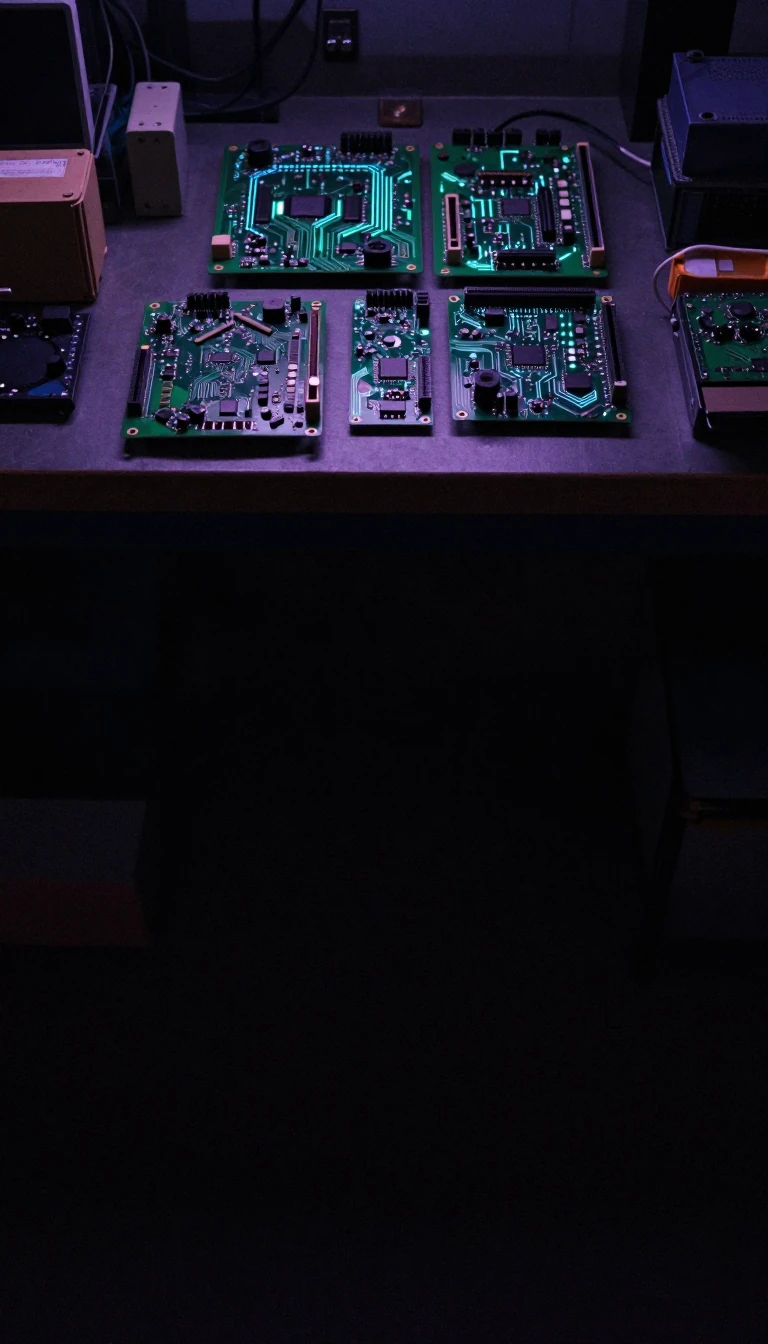
In short: Deep inside your processor lies the arithmetic logic unit, a fundamental circuit that performs the math and logic required for every digital task. From simple addition to complex Boolean comparisons, this component transforms raw binary data into the results that allow your computer to function, think, and display information.
The arithmetic logic unit (ALU) serves as the primary engine for arithmetic and logic operations within a central processing unit. It processes binary numbers—zeros and ones—by executing instructions provided by the control unit. These instructions consist of an operation code, or opcode, which dictates the specific task, and the operands, which represent the data to be processed. For instance, in a basic addition, the ALU receives the numbers and the addition command, then computes the result.
The concept of the modern ALU traces back to John von Neumann’s 1945 paper on the EDVAC computer, where he described a central arithmetic component. Early versions were constrained by the high cost and power requirements of electronic circuits, often processing data one bit at a time. By 1948, the Whirlwind computer introduced multiple circuits to handle 16-bit words. As technology advanced through the 1960s and 1970s, integrated circuits like the 4-bit Texas Instruments 74181 allowed for more compact and efficient designs, eventually leading to the integration of ALUs directly into microprocessors.
Modern ALUs are combinational circuits, meaning their output is determined solely by the current input. Beyond the primary result, they generate status signals that provide critical context, such as whether a result is negative, if an overflow occurred, or if a carry was produced. These indicators are vital for subsequent operations. While some processors rely on a single ALU, others utilize multiple units or separate floating-point units to handle high-precision decimal math. Today, ALUs are essential not just in CPUs, but also in graphics processing units, where their ability to perform rapid calculations is fundamental to generating visual data.
Opens the Intellect+ feed with this card first. Swipe up for the next one.
Sources
- Summary by Intellect · source: Arithmetic logic unit | History, Working, Operations, & Facts | Britannica
- Also: Arithmetic logic unit
To cite this card, link to https://intellectplus.co.uk/app/technology-arithmetic-logic-unit.
How we source, check and correct cards: Editorial standards.
General information, not professional advice. Spotted an error? Flag the card or see corrections and complaints.
Intellect Plus is a visual educational discovery platform for exploring fascinating facts and ideas. Brain Food, Not Brain Rot. What is Intellect Plus?
Related
More in Computing and information technology · More in Technology · Latest · A–Z · All topics
