Why the most sought-after music albums are often the ones artists never officially released
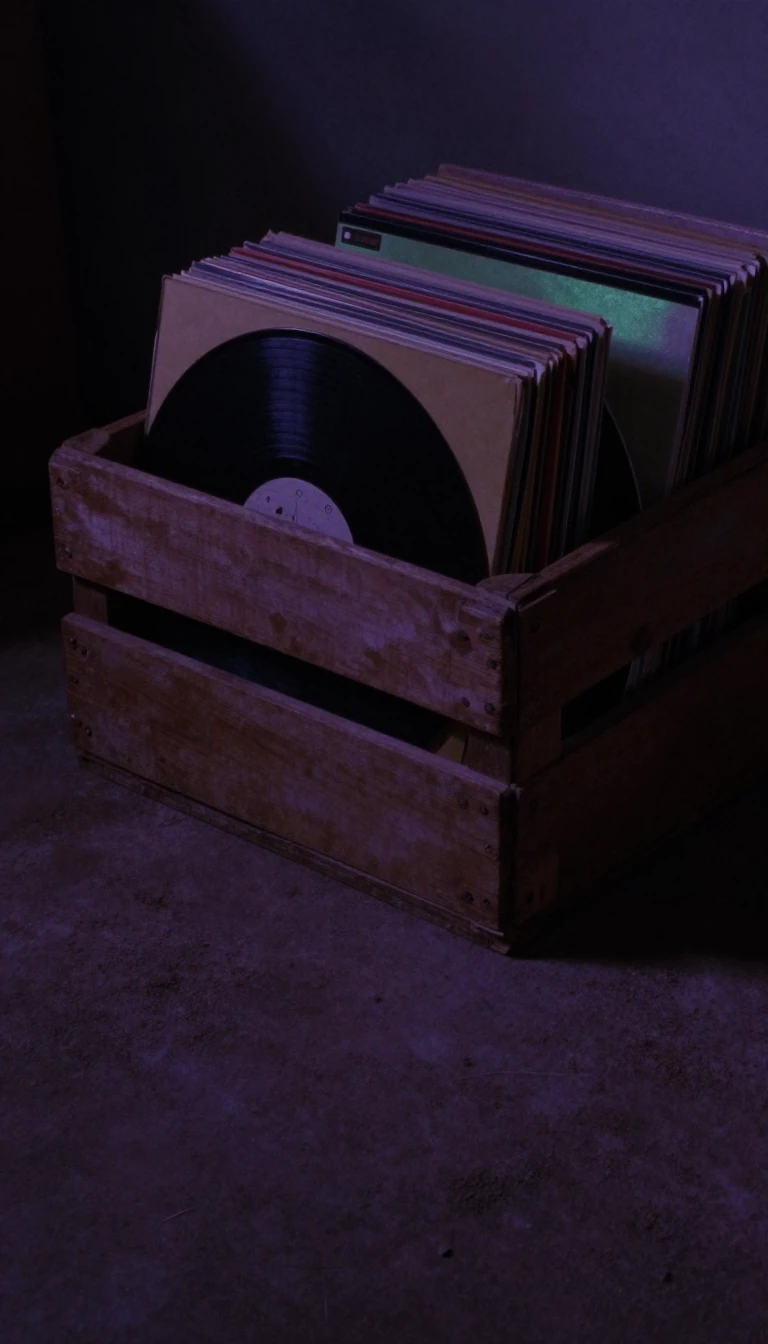
In short: Bootleg recordings occupy a strange space between illicit contraband and essential fan artifacts. While record labels and artists often condemn these unauthorized releases, dedicated listeners frequently treat them as vital additions to their collections. From smuggled concert tapes to leaked studio outtakes, the bootleg industry has evolved alongside technology for decades.
The term bootleg traces its roots to the American Prohibition era, when smugglers hid alcohol in their tall boots. In music, it refers to unauthorized recordings—live shows, studio demos, or interviews—that bypass official quality control. Unlike counterfeits, which attempt to mimic legitimate products, bootlegs often offer material that labels deemed unmarketable or too expensive to clear for release. Enthusiasts argue that bootleg consumers are often the artist's most loyal fans, frequently purchasing every official release while still seeking out these rare, unofficial alternatives.
The modern bootleg era arguably began in 1969 with a collection of Bob Dylan studio outtakes and demos titled Great White Wonder. Distributed in plain sleeves to avoid legal scrutiny, it proved that a massive, hidden market existed for unreleased material. By the 1970s, the rise of stadium rock made it difficult to police concert audiences, leading to a surge in high-quality live recordings. Bootleggers utilized portable reel-to-reel recorders and shotgun microphones to capture performances, sometimes even sourcing audio directly from soundboards or FM radio broadcasts.
Technological shifts have constantly reshaped how these recordings circulate. The 1980s saw the rise of cassette trading and digital compact discs, while the 1990s and 2000s moved the industry online. Platforms like Napster and eventually YouTube made sharing nearly instantaneous, forcing labels and artists to adapt. Some, like Frank Zappa, fought back by releasing their own versions of bootlegged material, while others, like Bob Dylan, eventually embraced digital archives. Despite decades of legal battles and international treaties like the 1994 GATT agreement, the demand for these unofficial snapshots of musical history remains as persistent as the technology used to capture them.
Opens the Intellect+ feed with this card first. Swipe up for the next one.
Sources
- Summary by Intellect · source: Bootleg recording
To cite this card, link to https://intellectplus.co.uk/app/technology-bootleg-recording.
How we source, check and correct cards: Editorial standards.
General information, not professional advice. Spotted an error? Flag the card or see corrections and complaints.
Intellect Plus is a visual educational discovery platform for exploring fascinating facts and ideas. Brain Food, Not Brain Rot. What is Intellect Plus?
Related
More in Cars · More in Technology · Latest · A–Z · All topics
