How a band's fight against bootleggers created a new musical blueprint
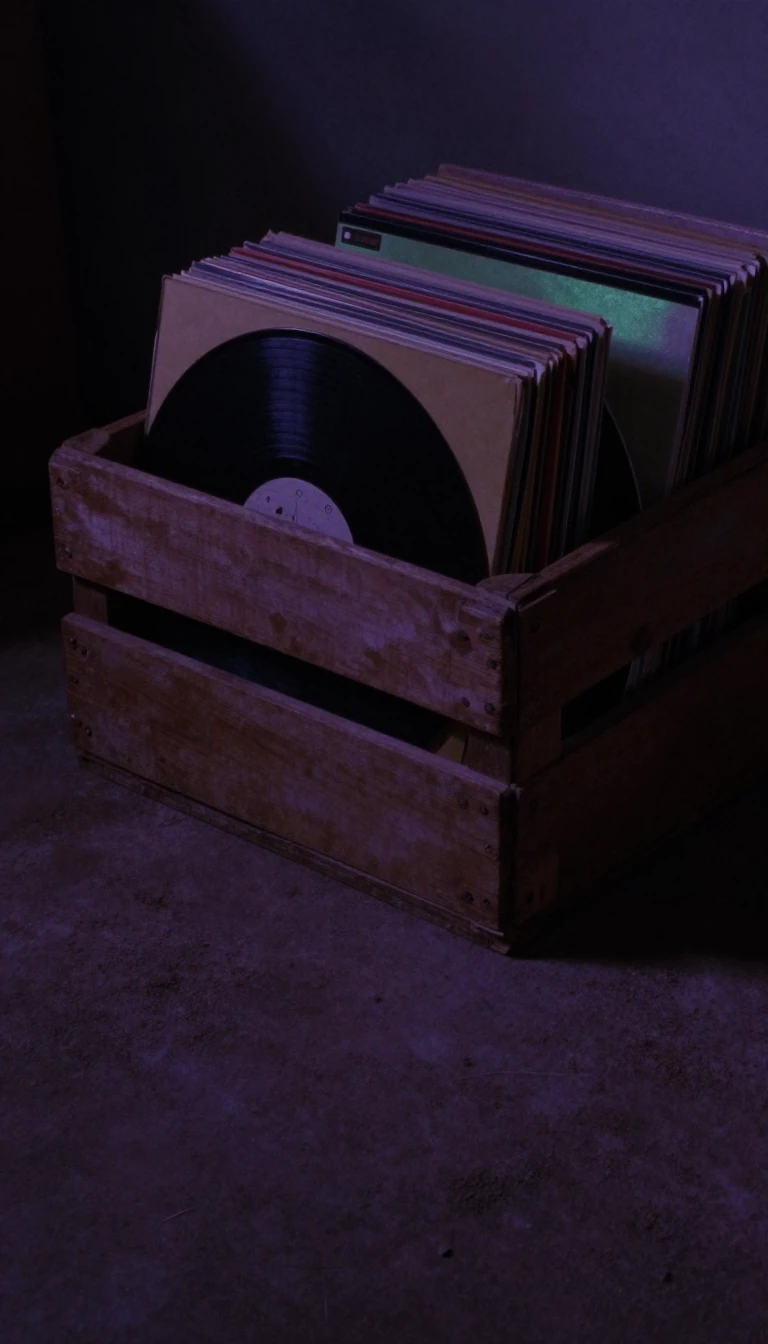
In short: In 1973, the band The Who faced a crisis: rampant bootlegging was stealing their live energy. To fight back, bassist John Entwistle curated a collection of studio outtakes. This move didn't just protect their intellectual property; it pioneered a new way for artists to curate their own history.
The project began in the autumn of 1973 while the band was preparing for the film 'Tommy'. Because Roger Daltrey, Pete Townshend, and Keith Moon were occupied, Entwistle was tasked with completing an album to counter the illegal circulation of live recordings. He collaborated with producer John Alcock to compile 'Odds & Sods' from various unreleased tapes, aiming to create a 'parallel' career path of what the band might have released as singles or album tracks. Entwistle specifically sought to arrange the tracks to mirror a hypothetical alternate career. He worked through various unreleased tapes to construct this narrative. The project was prompted by a specific bootleg titled Who's Zoo.
The resulting 1974 release was a landmark in music curation. It featured ten previously unreleased recordings out of eleven total tracks. The album reached No. 10 in the UK and No. 15 in the US. The collection debuted in the UK on September 28, 1974, and reached the US in October. It featured a remix of the song Postcard which also received a single release. This track was originally intended for a 1970 EP that was eventually cancelled.
While Entwistle noted there was enough material for a double album, only one LP was released initially. This established a precedent for artists to release 'scrapbook' style collections, a format later emulated by the band with 'Who's Missing'. The album serves as a sonic archive of diverse eras. It includes 1964 recordings from the band's early days as the High Numbers, 1968 tracks intended for an unfinished studio album, and material from the aborted 1971-1972 'Lifehouse' project. Even the 'failures' are preserved: one version of 'Young Man Blues' features a producer remarking, 'No, that one didn't really work,' providing a raw, unvarnished look at the creative process. The 1998 remastered CD eventually included the material from the second unreleased LP. This version also contained liner notes by Townshend featuring his honest critiques of the songs. A 2020 limited edition even offered the collection as a double vinyl set.
Opens the Intellect+ feed with this card first. Swipe up for the next one.
Sources
- Summary by Intellect · source: Odds & Sods
To cite this card, link to https://intellectplus.co.uk/app/history-odds-sods.
How we source, check and correct cards: Editorial standards.
General information, not professional advice. Spotted an error? Flag the card or see corrections and complaints.
Intellect Plus is a visual educational discovery platform for exploring fascinating facts and ideas. Brain Food, Not Brain Rot. What is Intellect Plus?
Related
More in Born on this day · More in History · Latest · A–Z · All topics
