The humble box is a masterclass in engineering for storage and global trade
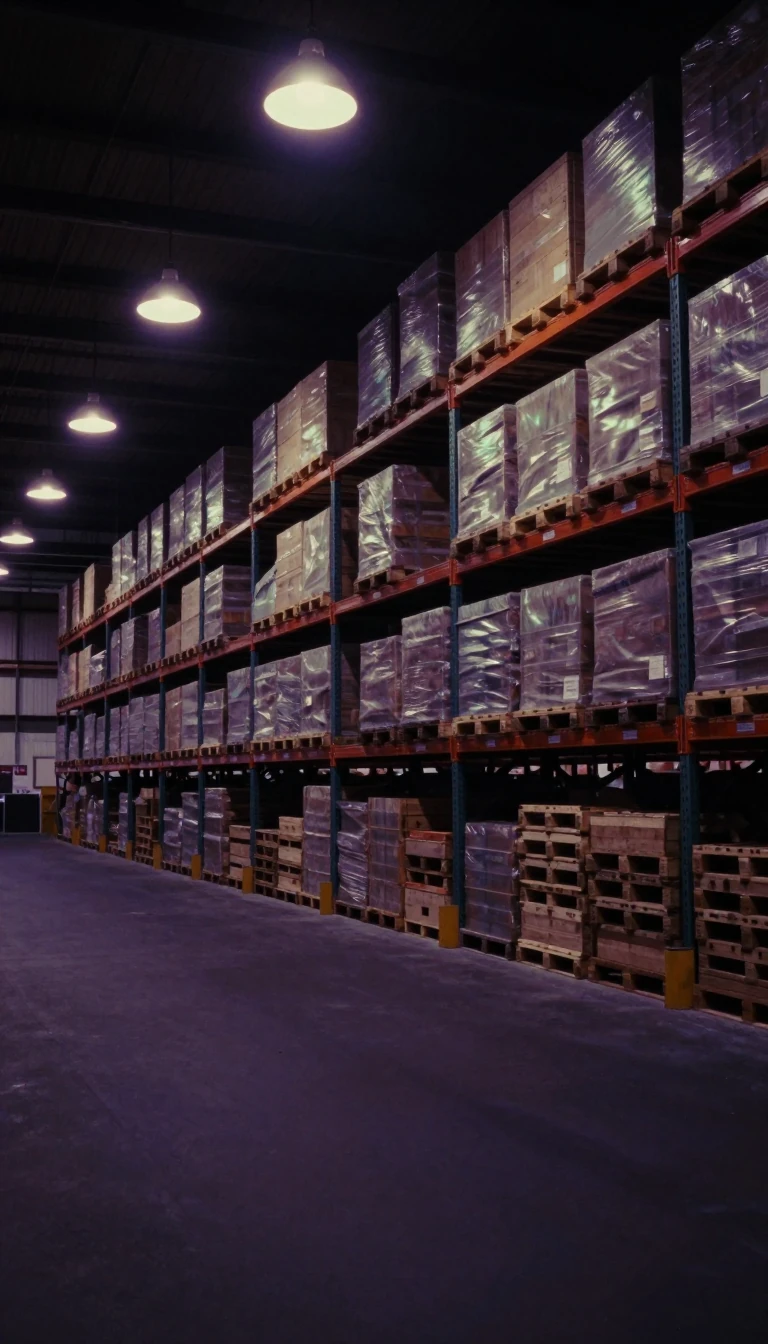
In short: From the simple matchbox to the massive steel shipping containers that fuel global commerce, the box is far more than a mere container. Whether crafted from paperboard or reinforced metal, these rigid structures are engineered for specific purposes, ranging from protecting high-value luxury goods to securing industrial ammunition.
At its core, a box is a rigid container defined by its flat, parallel, and typically rectangular sides. While we often think of them as simple cardboard, their construction varies wildly based on their intended use. Folding cartons, for instance, are designed for efficiency; they are printed, die-cut, and scored as flat blanks before being shipped to their destination, where they are constructed for one-time or permanent storage. In contrast, setup boxes—or rigid paperboard boxes—are assembled at the point of manufacture. Because they arrive fully formed, they are more costly to transport but offer superior protection for high-value items like watches, cosmetics, and small electronics.
The distinction between containers often comes down to material and structural integrity. A crate, for example, is a heavy-duty shipping container traditionally made of wood. It differs from a standard wooden box in how its strength is measured: a crate requires all six sides to be in place to achieve its rated capacity, whereas a wooden box is rated based on the weight it can support before the lid is even attached. Beyond these, specialized containers like humidors, toolboxes, and strong boxes are engineered with specific features—such as humidity control, portability, or high-security locking mechanisms—to meet the unique demands of their contents.
Perhaps the most significant evolution in the history of the box is the large steel intermodal shipping container. These industrial giants have been instrumental in advancing the globalization of commerce, allowing goods to move seamlessly across the world. Whether it is a decorative jewelry box lined with satin or a corrugated fiberboard carton used for warehouse distribution, the box remains a fundamental piece of human technology. By balancing material durability with functional design, these containers ensure that everything from personal trinkets to massive industrial loads reaches its destination intact.
Opens the Intellect+ feed with this card first. Swipe up for the next one.
Sources
- Summary by Intellect · source: Box
To cite this card, link to https://intellectplus.co.uk/app/technology-box.
How we source, check and correct cards: Editorial standards.
General information, not professional advice. Spotted an error? Flag the card or see corrections and complaints.
Intellect Plus is a visual educational discovery platform for exploring fascinating facts and ideas. Brain Food, Not Brain Rot. What is Intellect Plus?
Related
More in Machinery and tools · More in Technology · Latest · A–Z · All topics
