Brakes do more than just stop cars; they are energy transformation machines.
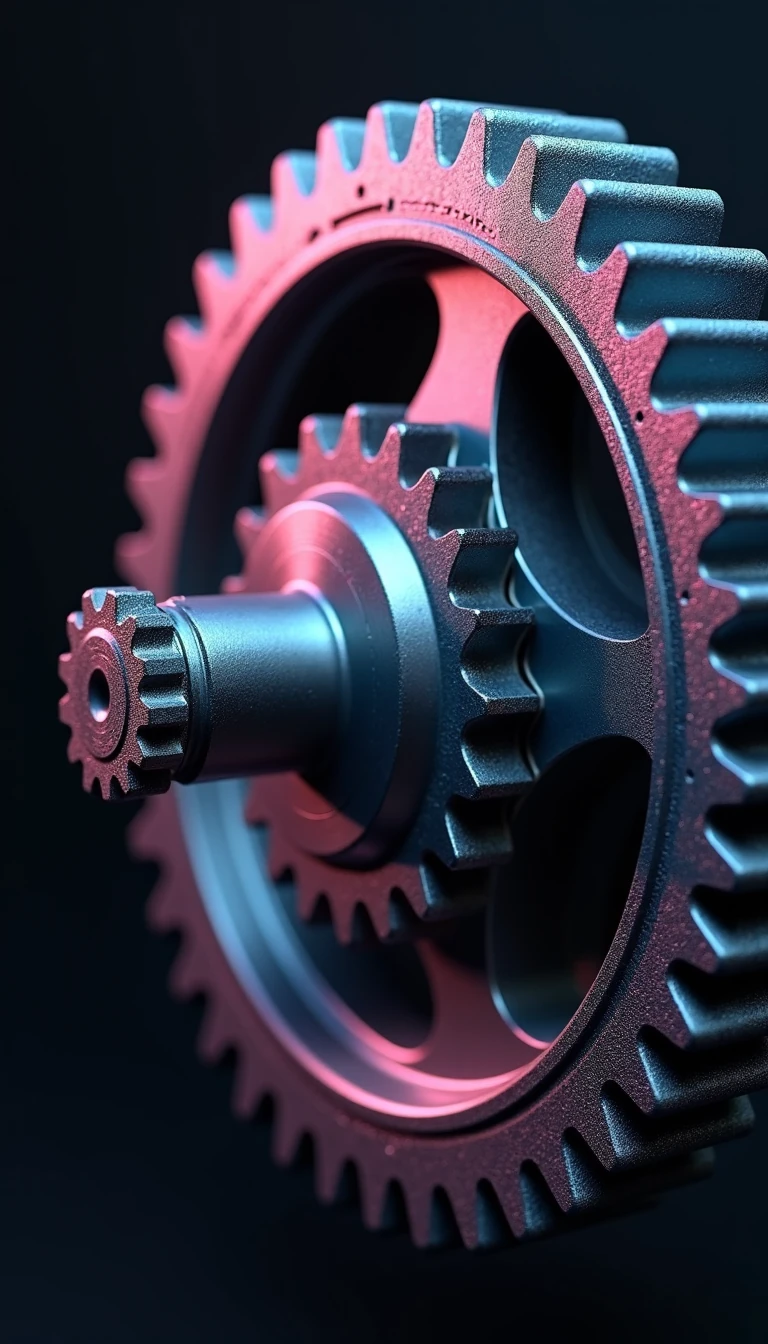
In short: A brake is fundamentally an energy converter. Whether using friction, electromagnetics, or fluid pumping, these devices work by absorbing kinetic energy from a moving system. While we rely on them to stop, they are also critical to fuel efficiency, managing heat, and ensuring safety across everything from carts to aircraft.
At their core, most brakes function by converting kinetic energy into heat through friction. Traditional friction brakes, such as drum and disc systems, press surfaces together to slow rotation. However, this process is rarely perfectly efficient. Beyond heat, energy can be lost as acoustic noise or, in the case of regenerative systems, captured as electricity to recharge batteries. This highlights a key principle: braking is an exercise in energy management, not just cessation of motion.
The evolution of braking technology reflects a constant struggle against physical limits. Early vehicles in the late 1800s relied on simple wooden blocks against steel rims. The invention of the drum brake by Gottlieb Daimler in 1899 marked a significant shift, becoming the industry standard. Yet, as performance demands grew, so did the need for better heat dissipation. The 1953 24 Hours of Le Mans proved the superiority of disc brakes, which eventually replaced drum setups in consumer vehicles starting in the 1960s due to their better cooling and performance.
Modern systems are increasingly complex, incorporating electronic and mechanical aids to handle extreme forces. Anti-lock braking systems (ABS), first seen in the 1966 Jensen FF, use sensors to prevent wheel lock-up, while heavy vehicles utilize compressed air or vacuum-assisted boosters to amplify human input. Even so, challenges remain: brake fade—where effectiveness drops as temperatures rise—and parasitic drag, where components continue to rub even when the pedal is released, continue to influence vehicle design and fuel economy.
Opens the Intellect+ feed with this card first. Swipe up for the next one.
Sources
- Summary by Intellect · source: Brake
To cite this card, link to https://intellectplus.co.uk/app/technology-brake.
How we source, check and correct cards: Editorial standards.
General information, not professional advice. Spotted an error? Flag the card or see corrections and complaints.
Intellect Plus is a visual educational discovery platform for exploring fascinating facts and ideas. Brain Food, Not Brain Rot. What is Intellect Plus?
Related
More in Machinery and tools · More in Technology · Latest · A–Z · All topics
