The industrial alchemy required to fuel the future of fusion energy
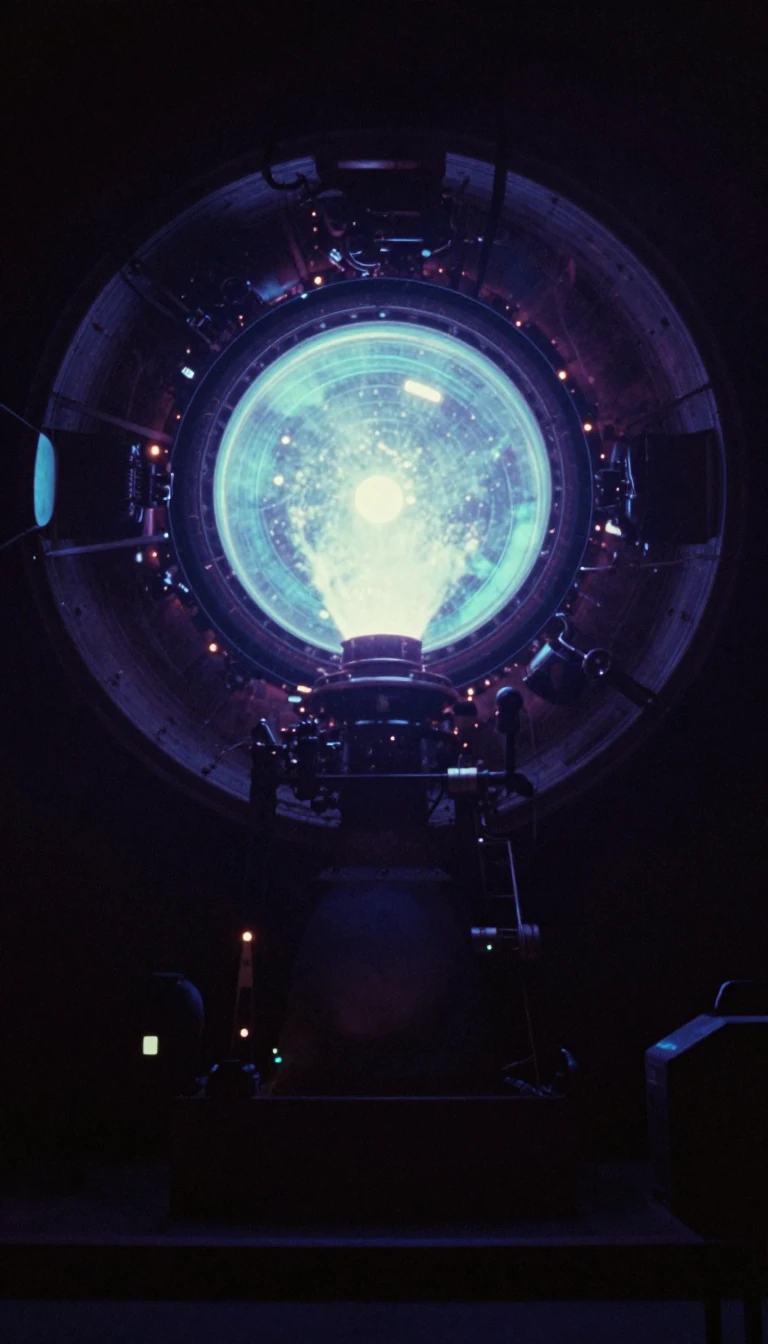
In short: Fusion power faces a unique paradox: it requires a fuel that doesn't exist in significant natural quantities. To solve this, engineers are designing 'breeding blankets'—complex in-vessel assemblies that act as microscopic factories, capturing high-energy neutrons to manufacture their own fuel on demand while simultaneously generating electricity.
In a fusion reactor, the breeding blanket is the essential assembly that manages three critical tasks simultaneously. First, it captures high-energy neutrons from the plasma to generate heat for power conversion. Second, it acts as a shield for exterior components against neutron and X-ray radiation. Most importantly, it serves as a fuel factory: by facilitating interactions between these neutrons and lithium, it produces tritium, a necessary fuel for the D-T cycle that is not naturally abundant enough to sustain commercial reactors.
Engineering these blankets involves navigating extreme physical constraints. High-intensity radiation requires engineers to weigh structural stability, heat transfer, and neutron moderation against one another. Two primary designs are currently being explored: water-cooled lead–lithium eutectic (PbLi) systems and helium-cooled pebble-bed arrangements. The PbLi system uses a liquid metal alloy that functions as both the coolant and the lithium breeder, though it introduces complex challenges like managing electromagnetic effects in liquid metal flows and ensuring uniform temperature distributions to prevent thermal stress.
The success of these designs hinges on the Tritium Breeding Ratio (TBR), which measures the ratio of tritium generated to tritium consumed. Achieving a self-sufficient fuel cycle is a global research priority for upcoming DEMO and commercial plants. Engineers must also design for safety, specifically modeling 'Loss-of-Flow Accidents' (LOFA) where coolant circulation is interrupted. Effective thermal management is not just a safety requirement; it is the backbone of efficiency, ensuring that the heat recovered from these intense reactions can be reliably converted into electricity for the grid.
Opens the Intellect+ feed with this card first. Swipe up for the next one.
Sources
- Summary by Intellect · source: Breeding Blanket Design and Thermal Management for Fusion Reactors | Nuclear Engineering | Resources Engineering and Extractive Metallurgy | Applied sciences | Topics | Nature Index
- Also: Breeding blanket
To cite this card, link to https://intellectplus.co.uk/app/technology-breeding-blanket.
How we source, check and correct cards: Editorial standards.
General information, not professional advice. Spotted an error? Flag the card or see corrections and complaints.
Intellect Plus is a visual educational discovery platform for exploring fascinating facts and ideas. Brain Food, Not Brain Rot. What is Intellect Plus?
Related
More in Nuclear power · More in Technology · Latest · A–Z · All topics
