Why the world's most luxurious wine was once called the devil's wine
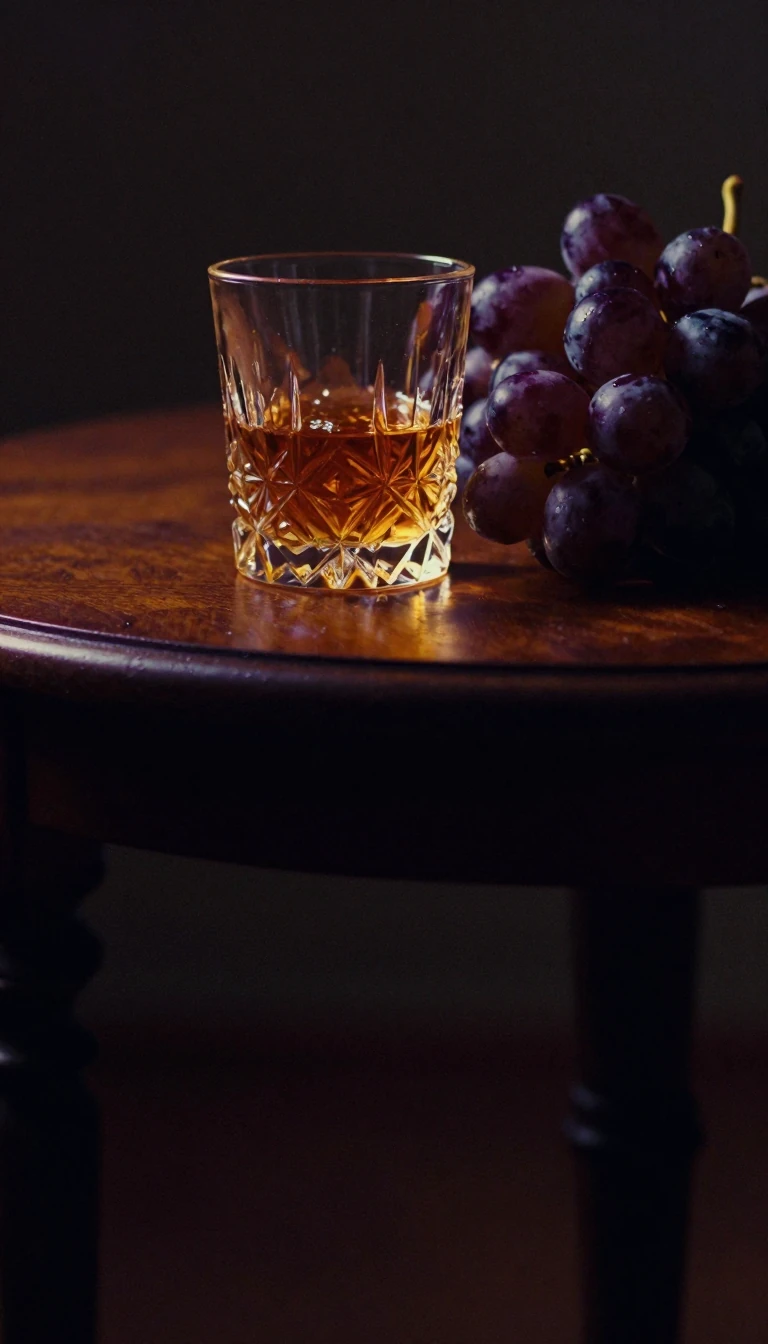
In short: Champagne was not a refined invention but a dangerous accident. Early bottles frequently exploded, causing cellar workers to wear iron masks for protection. It took centuries of technical evolution, from English glass-making to the invention of the muselet, to transform this volatile, unwanted byproduct into a global symbol of prestige.
The transformation of Champagne from a regional nuisance to a luxury icon is a story of technical refinement and aggressive marketing. Originally, the bubbles were considered a severe fault in winemaking. Because the fermentation process was poorly understood, pressure would build inside bottles, causing them to burst. This created a dangerous chain reaction in cellars, where producers could lose between 20% and 90% of their stock. It was only through the technical advancements of English glass-makers in the 17th century that bottles became strong enough to withstand the internal pressures of secondary fermentation.
While legend often credits Dom Pérignon with the invention of sparkling wine, the reality is more complex. The English physician Christopher Merret documented the method of adding sugar to create a second fermentation in 1662, six years before Pérignon arrived at the Abbey of Hautvillers. For a long time, the region struggled to compete with the reputation of Burgundian wines. The northern climate made it difficult for grapes to ripen, resulting in thin, acidic wines. Producers eventually turned this challenge into a signature style, using the méthode traditionnelle to create the complex, effervescent drink we recognize today.
The 19th century marked a pivotal shift as manufacturers began to associate their product with royalty and the emerging middle class. Through strategic advertising, champagne was positioned as a drink for celebrations, leisure, and even political causes. By the 1890s, brands like Laurent-Perrier were boasting about their aristocratic clientele, while simultaneously marketing to women by emphasizing sweeter profiles. This deliberate branding, combined with strict legal protections established by the 1891 treaty and the later Comité Interprofessionnel du vin de Champagne (CIVC), solidified its status. Today, the name is so protected that the EU and over 70 countries restrict its use exclusively to wines produced within the designated French region, ensuring that the 'devil's wine' remains a strictly controlled, premium commodity.
Opens the Intellect+ feed with this card first. Swipe up for the next one.
Sources
- Summary by Intellect · source: Champagne
To cite this card, link to https://intellectplus.co.uk/app/technology-champagne.
How we source, check and correct cards: Editorial standards.
General information, not professional advice. Spotted an error? Flag the card or see corrections and complaints.
Intellect Plus is a visual educational discovery platform for exploring fascinating facts and ideas. Brain Food, Not Brain Rot. What is Intellect Plus?
Related
More in History · Latest · A–Z · All topics
