Why the bubbles in your sparkling wine might actually be a historical accident
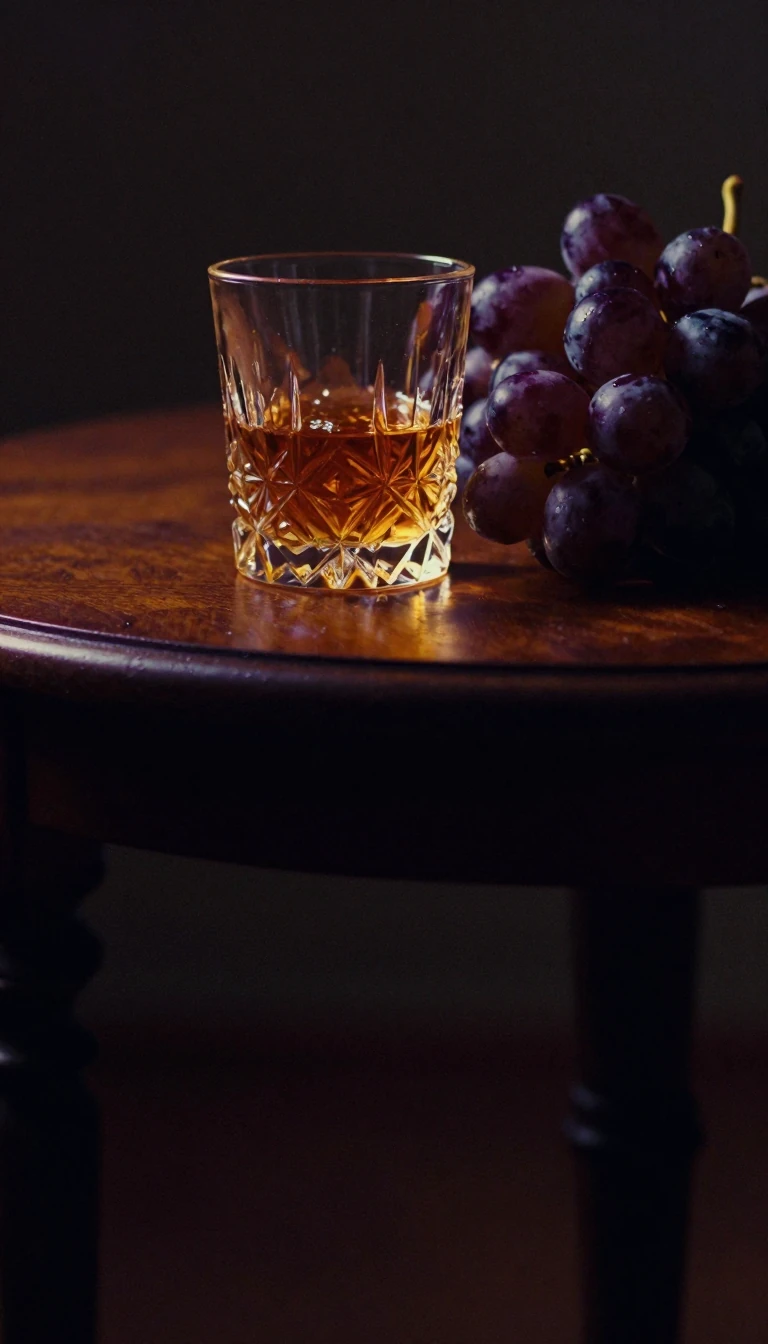
In short: Sparkling wine was once considered a flawed product, with cellar workers wearing iron masks to protect against exploding bottles. Today, those same bubbles are the hallmark of luxury. Discover how English glassmakers and a bit of cold weather transformed a cellar disaster into a global, multi-million bubble industry.
The effervescence in wine was long considered a fault, disdained by early French winemakers who struggled with bottles bursting under pressure. In the 17th century, English merchants inadvertently solved the problem. By transporting still wine from the Champagne region to England in barrels, they allowed the wine to be bottled in stronger, coal-fired glass. When cold winters halted fermentation, residual sugar remained; as temperatures rose, fermentation restarted in the bottle, creating carbon dioxide and the characteristic sparkle.
In 1662, Christopher Merret documented this process, showing that adding sugar could induce sparkling in almost any wine. This discovery predated deliberate sparkling production in France. The secondary fermentation process, which traps carbon dioxide, is now the defining feature of the craft. Whether using the traditional method—where fermentation occurs in the bottle—or the pressurized Charmat tank method, producers must carefully manage sugar levels to achieve the desired pressure, which typically averages 5 atmospheres for fully sparkling varieties.
The science of the pour is equally precise. Bubbles form on imperfections in glass, known as nucleation sites. Once poured, a glass of sparkling wine loses its carbonation rapidly. While myths suggest a spoon keeps the wine bubbly, only a proper stopper works. Interestingly, research from the University of Surrey suggests that the carbonation itself may accelerate alcohol absorption, potentially causing faster intoxication compared to still wine. With millions of bubbles per bottle, the experience is as much a feat of chemistry as it is of viticulture.
Today, strict regulations protect regional identities. The term 'Champagne' is legally reserved for wines from the Champagne region of France, while other regions use local designations like Cava in Spain or Crémant in France. From the early 19th-century expansion into Central Europe to the modern resurgence of production in the United Kingdom, sparkling wine remains a testament to how accidental discoveries can redefine global taste.
Opens the Intellect+ feed with this card first. Swipe up for the next one.
Sources
- Summary by Intellect · source: Sparkling wine
To cite this card, link to https://intellectplus.co.uk/app/food-sparkling-wine.
How we source, check and correct cards: Editorial standards.
General information, not professional advice. Spotted an error? Flag the card or see corrections and complaints.
Intellect Plus is a visual educational discovery platform for exploring fascinating facts and ideas. Brain Food, Not Brain Rot. What is Intellect Plus?
Related
More in Cooking, food and drink · More in Food & Drink · Latest · A–Z · All topics
