The 1866 Chassepot rifle changed modern warfare with a simple rubber ring
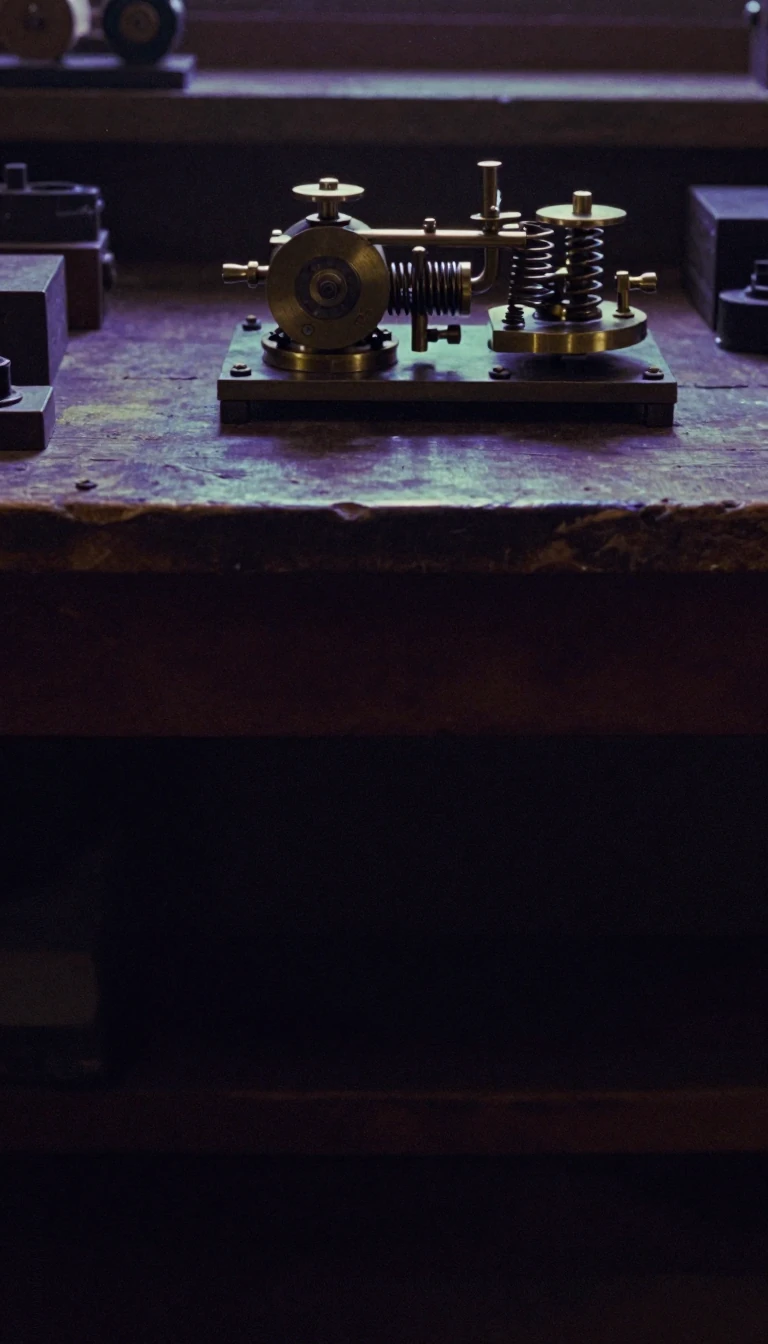
In short: Before the era of metallic cartridges, the French Chassepot rifle dominated the battlefield. By using a clever rubber seal to prevent gas leakage, it outperformed its Prussian rival in range, velocity, and accuracy. This breakthrough in breech-loading technology defined a generation of military hardware before being superseded by brass.
Invented by Antoine Alphonse Chassepot and adopted by the French military on August 30, 1866, the Chassepot rifle marked a significant leap in infantry firepower. It replaced an assortment of older muzzleloading rifles, including those converted to breech-loading, and by 1868, the entire French active army was re-armed with the new weapon. Its effectiveness was famously noted at the Battle of Mentana on November 3, 1867, where it inflicted severe losses on opposing forces, leading the French Parliament to declare that the rifles had performed wonderfully.
The rifle's primary technical advantage over the Prussian Dreyse needle gun lay in its obturation system. While the Dreyse suffered from gas leakage, the Chassepot utilized a segmented rubber ring on its bolt head. This ring expanded under gas pressure during firing, creating an efficient seal. This innovation allowed for a smaller 11 mm caliber to achieve a muzzle velocity of 436 meters per second—33% faster than the Dreyse—resulting in a flatter trajectory and a maximum sight setting of 1,600 meters, compared to the Dreyse's 600 meters.
Despite its ballistic superiority, the Chassepot relied on a paper cartridge that left behind fouling and burnt residue after continuous use. The rubber obturator, while effective, was prone to erosion, though it could be easily replaced by soldiers in the field. These limitations eventually led to the rifle's replacement in 1874 by the Gras rifle, which utilized a centerfire brass metallic cartridge. The Chassepot's legacy persisted, however; its obturation technology was successfully adapted for artillery in 1877 by Colonel de Bange, and the rifles themselves saw service across the globe, from the Ethiopian Empire to the Tokugawa shogunate and various conflicts in South America.
The scale of production was massive, with approximately 1,037,555 units available to the French Army by July 1870. Even after the Franco-Prussian War, production continued until 1875, with hundreds of thousands more rifles manufactured. Captured weapons were widely distributed, converted, or exported, ensuring that the Chassepot remained a fixture in international military history long after its official retirement from French service.
Opens the Intellect+ feed with this card first. Swipe up for the next one.
Sources
- Summary by Intellect · source: Chassepot
To cite this card, link to https://intellectplus.co.uk/app/technology-chassepot.
How we source, check and correct cards: Editorial standards.
General information, not professional advice. Spotted an error? Flag the card or see corrections and complaints.
Intellect Plus is a visual educational discovery platform for exploring fascinating facts and ideas. Brain Food, Not Brain Rot. What is Intellect Plus?
Related
More in Military technology · More in Technology · Latest · A–Z · All topics
