The QWERTY keyboard was born from a failed attempt to build a numbering machine.
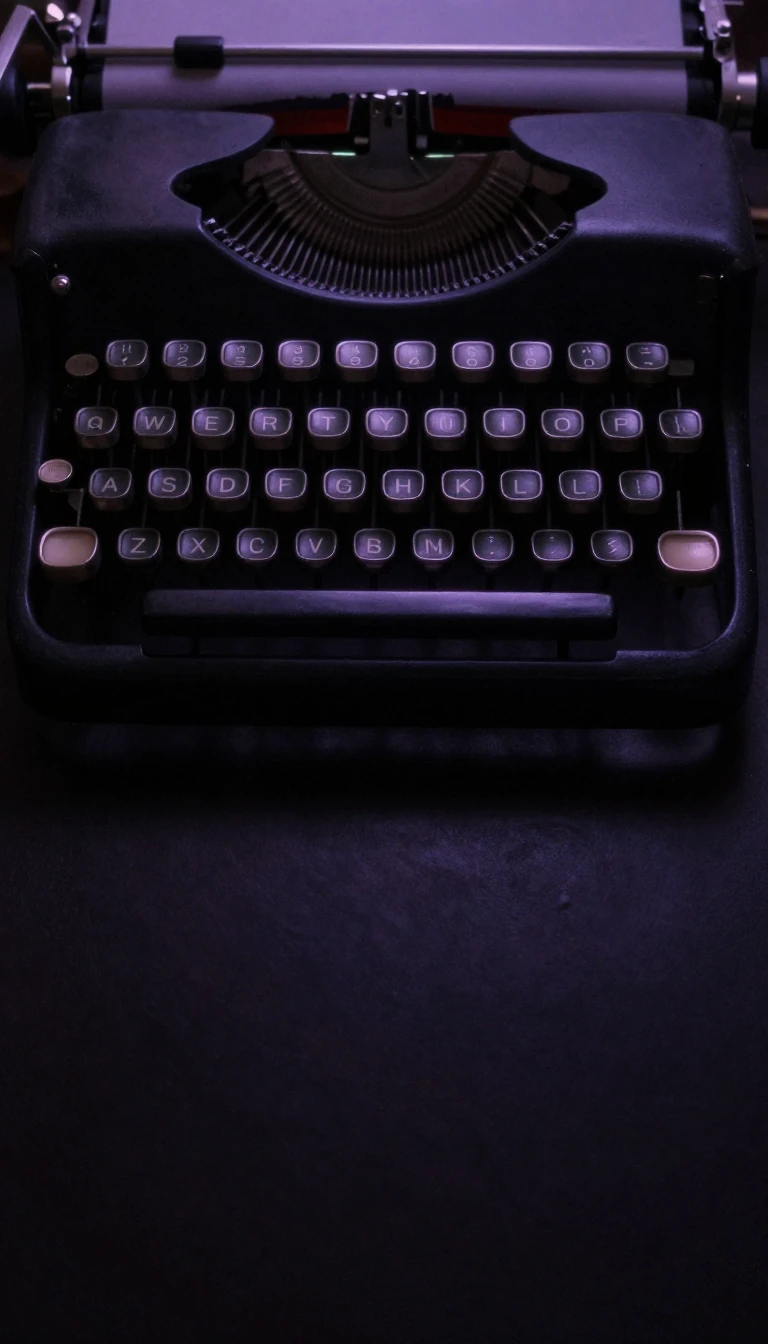
In short: Christopher Latham Sholes did not set out to revolutionize writing. A printer and politician, he initially aimed to automate page numbering. When a colleague suggested the machine could produce letters, Sholes pivoted. His resulting typewriter, refined through brutal testing, birthed the QWERTY layout—a solution to mechanical jamming.
Born in 1819, Christopher Latham Sholes lived a life defined by restless innovation and public service. Before his typewriter fame, he was a Wisconsin pioneer and politician who served in the state Senate and Assembly. Notably, he was a vocal opponent of capital punishment and famously refused a bribe during a massive 1856 railroad corruption scandal.
Sholes' path to the typewriter was indirect. After a failed attempt to build a typesetting machine, he collaborated with Samuel W. Soule on a numbering device. Carlos Glidden, a fellow inventor, suggested expanding the machine's capability to include text. Inspired by a Scientific American article about John Pratt’s 'Pterotype,' the trio built a prototype with a keyboard resembling a piano, lacking keys for 0 and 1 because I and O were deemed sufficient.
The project’s success relied on James Densmore, who bought a share of the patent and insisted on rigorous, often destructive, testing by stenographer James O. Clephane. This feedback loop forced constant mechanical improvements. Eventually, the patent was sold to E. Remington and Sons in 1873. Sholes took a flat payment of $12,000, while Densmore opted for royalties that eventually totaled $1.5 million.
The iconic QWERTY layout emerged in 1873 as a practical fix for a specific engineering flaw. Early machines used weights rather than springs to return keys to their resting position, causing frequent jams when common letter combinations were typed in rapid succession. By spacing these combinations out, Sholes prevented the levers from colliding. While the mechanical jamming problem is long gone, the layout persists as a global standard.
Opens the Intellect+ feed with this card first. Swipe up for the next one.
Sources
- Summary by Intellect · source: Christopher Latham Sholes
To cite this card, link to https://intellectplus.co.uk/app/technology-christopher-latham-sholes.
How we source, check and correct cards: Editorial standards.
General information, not professional advice. Spotted an error? Flag the card or see corrections and complaints.
Intellect Plus is a visual educational discovery platform for exploring fascinating facts and ideas. Brain Food, Not Brain Rot. What is Intellect Plus?
Related
More in Inventors · More in Technology · Latest · A–Z · All topics
