A broke patent clerk invented the photocopier in his kitchen to escape manual labor.
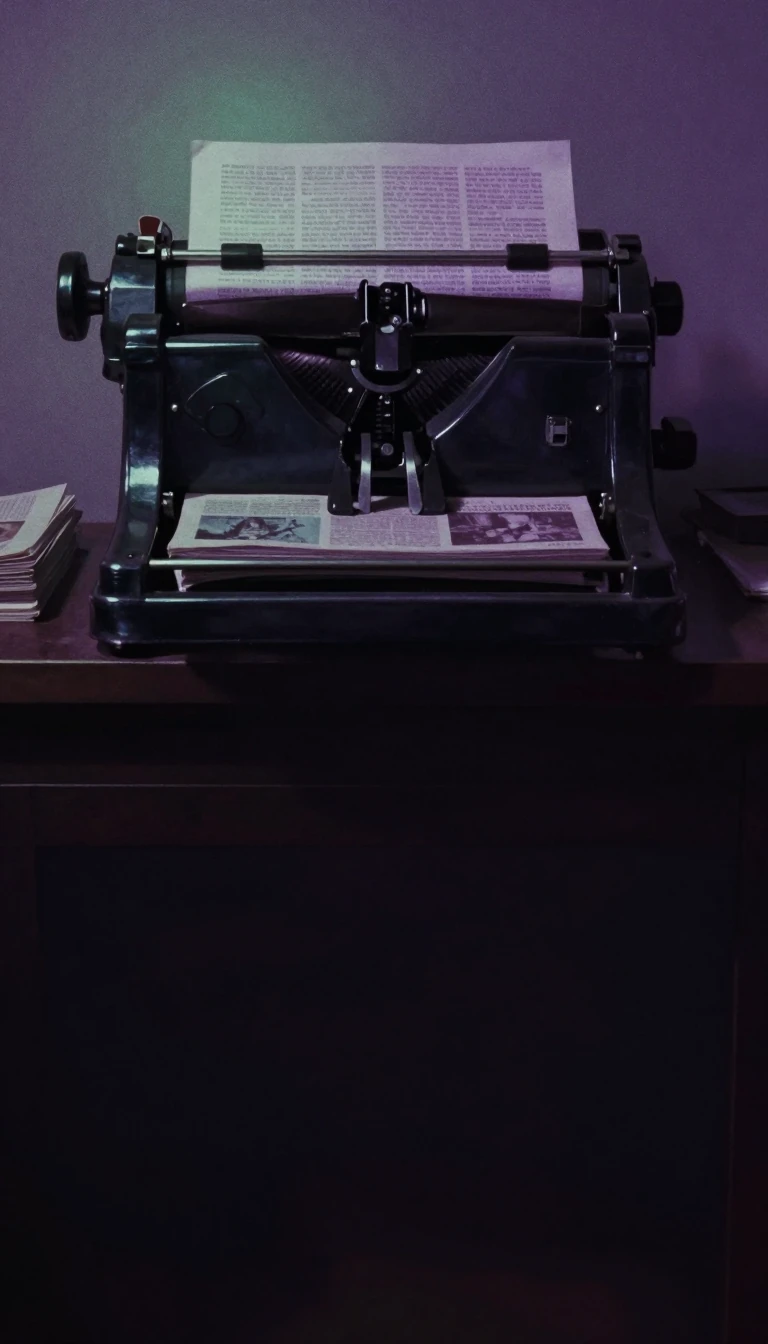
In short: Chester Carlson spent years copying legal documents by hand, fueling a desperate search for a better way. In 1938, he achieved a breakthrough in his Astoria kitchen using sulfur, light, and static electricity. This dry process, later named xerography, would eventually change how the entire world handles paper.
Chester Carlson was an American physicist and patent attorney who grew up in poverty, working odd jobs from age eight to support his ailing parents. His professional life at Bell Telephone Laboratories and later at P. R. Mallory Company involved constant, tedious manual copying of patent specifications. Frustrated by the limitations of carbon paper and expensive Photostat machines, Carlson began searching for a way to create a dry, direct copying process. He was inspired by a 1930s article by Hungarian physicist Pál Selényi, which detailed how electrostatic charges could manipulate fine powders.
In 1938, Carlson and his assistant, Otto Kornei, successfully produced the world's first xerographic copy on a glass slide. Despite this success, Carlson faced immense skepticism. Between 1939 and 1944, he was rejected by over twenty companies, including IBM and the U.S. Navy. His fortunes shifted in 1944 when he met Russell W. Dayton of the Battelle Memorial Institute. Battelle began funding the research, and in 1946, they signed a licensing agreement with the Haloid Company. The technology was initially so obscure that it lacked a formal name until a classics professor suggested 'xerography,' derived from Greek words for 'dry writing.'
The first commercial machine, the Model A, launched in 1949. It was notoriously difficult to operate, requiring thirty-nine manual steps, yet it found a niche in offset printing. The technology's survival was further bolstered by the U.S. Army Signal Corps, which invested heavily in the 1950s, hoping that xerography would provide a radiation-immune alternative to traditional photographic reconnaissance. Carlson’s invention, born from his own struggle to avoid the drudgery of longhand copying, eventually became a global standard, though it took years of persistence to move from a smoky kitchen experiment to a viable commercial product.
Opens the Intellect+ feed with this card first. Swipe up for the next one.
Sources
- Summary by Intellect · source: Chester Carlson
To cite this card, link to https://intellectplus.co.uk/app/technology-chester-carlson.
How we source, check and correct cards: Editorial standards.
General information, not professional advice. Spotted an error? Flag the card or see corrections and complaints.
Intellect Plus is a visual educational discovery platform for exploring fascinating facts and ideas. Brain Food, Not Brain Rot. What is Intellect Plus?
Related
More in Inventors · More in Technology · Latest · A–Z · All topics
