The ancient engine inside your cells that processes everything you ingest and inhale
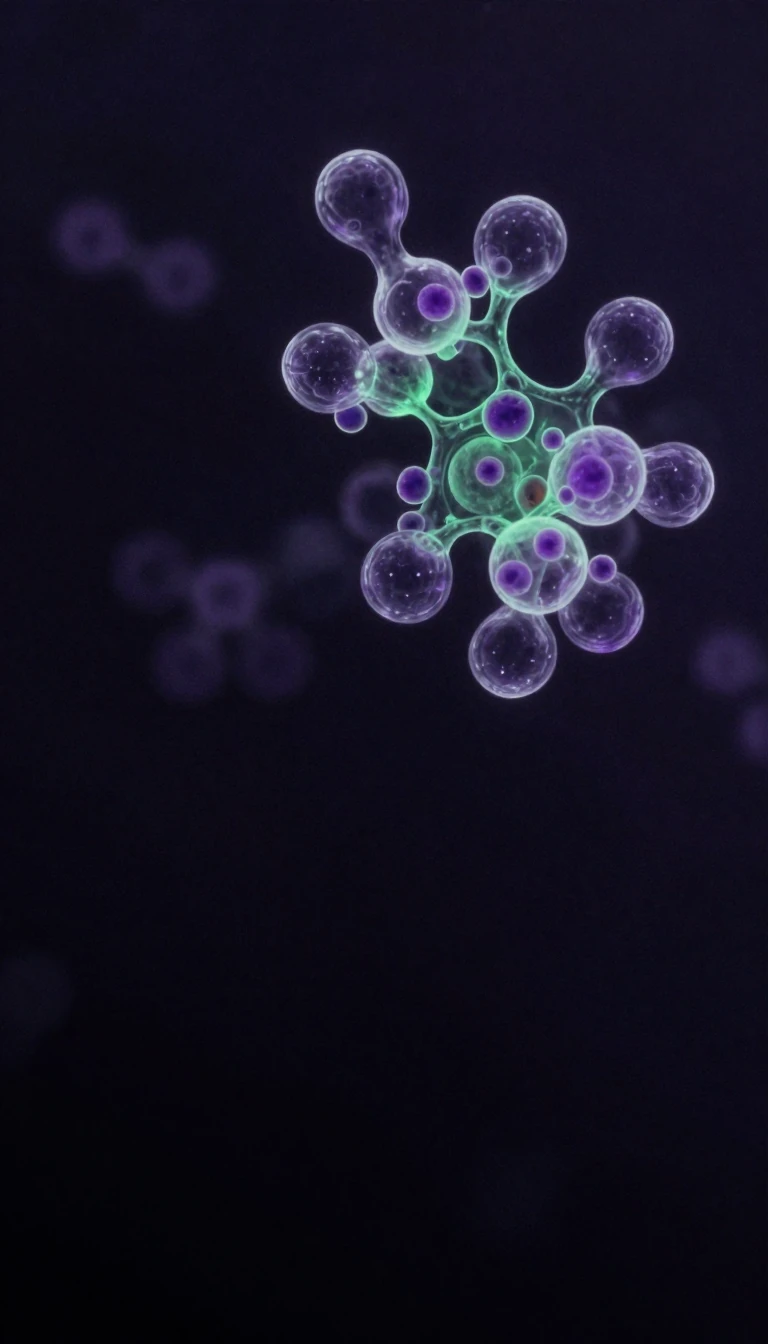
In short: Cytochrome P450 enzymes are a vast, ancient superfamily of proteins found in every biological kingdom. These molecular machines act as the body's primary chemical processing plant, breaking down drugs, steroids, and environmental toxins. Their ability to adapt and evolve has been critical to life's survival for billions of years.
The name Cytochrome P450 originates from a specific laboratory observation: when the enzyme is in its reduced state and bound to carbon monoxide, it exhibits a distinct spectrophotometric absorption peak at 450 nanometers. These enzymes are fundamentally heme-thiolate proteins, meaning they rely on a central iron-containing heme group to catalyze complex chemical reactions. While they are best known for their role in monooxygenase activity—inserting a single oxygen atom into a substrate—their functional range is remarkably broad.
In humans, these enzymes are essential for Phase I metabolism, where they convert hydrophobic xenobiotics into hydrophilic derivatives that the body can easily excrete. The human genome contains 57 functional genes for these enzymes, organized into 18 distinct families. The CYP1, CYP2, and CYP3 families are particularly vital for drug metabolism, influencing how individuals process medications like paracetamol. Beyond drug clearance, they are involved in the biosynthesis of critical molecules, including steroids and fatty acids.
Evolutionarily, P450s are incredibly resilient. They are present in all five biological kingdoms, and their structures have remained surprisingly consistent from bacteria to mammals. Eukaryotic versions often feature an additional N-terminal peptide that acts as a membrane anchor, allowing them to function within the smooth endoplasmic reticulum. Some mitochondrial P450s even retain characteristics of their bacterial ancestors, utilizing iron-sulfur redoxins for electron transfer, a mechanism that mirrors ancient prokaryotic systems.
Recent research is expanding our understanding of this chemical space. Scientists have identified noncanonical P450s that use diverse proximal ligands, such as serine or selenocysteine, rather than the strictly conserved cysteine ligand typically found in standard P450s. This discovery suggests that the catalytic potential of these enzymes is far greater than previously assumed, offering new avenues for synthetic chemistry and the development of specialized biocatalysts for industrial and medical applications.
Opens the Intellect+ feed with this card first. Swipe up for the next one.
Sources
- Summary by Intellect · source: Discovery of noncanonical cytochrome P450 enzymes in nature - Nature Chemical Biology
- Also: Cytochrome P450 Structure and Function: An Evolutionary Perspective
- Also: Cytochrome P450
- Also: Decoding the Role of CYP450 Enzymes in Metabolism and Disease: A Comprehensive Review
To cite this card, link to https://intellectplus.co.uk/app/technology-cytochrome-p450.
How we source, check and correct cards: Editorial standards.
General information, not professional advice. Spotted an error? Flag the card or see corrections and complaints.
Intellect Plus is a visual educational discovery platform for exploring fascinating facts and ideas. Brain Food, Not Brain Rot. What is Intellect Plus?
Related
More in Cars · More in Technology · Latest · A–Z · All topics
