Deep brain stimulation uses electrical pulses to rewire dysfunctional brain circuits in real time.
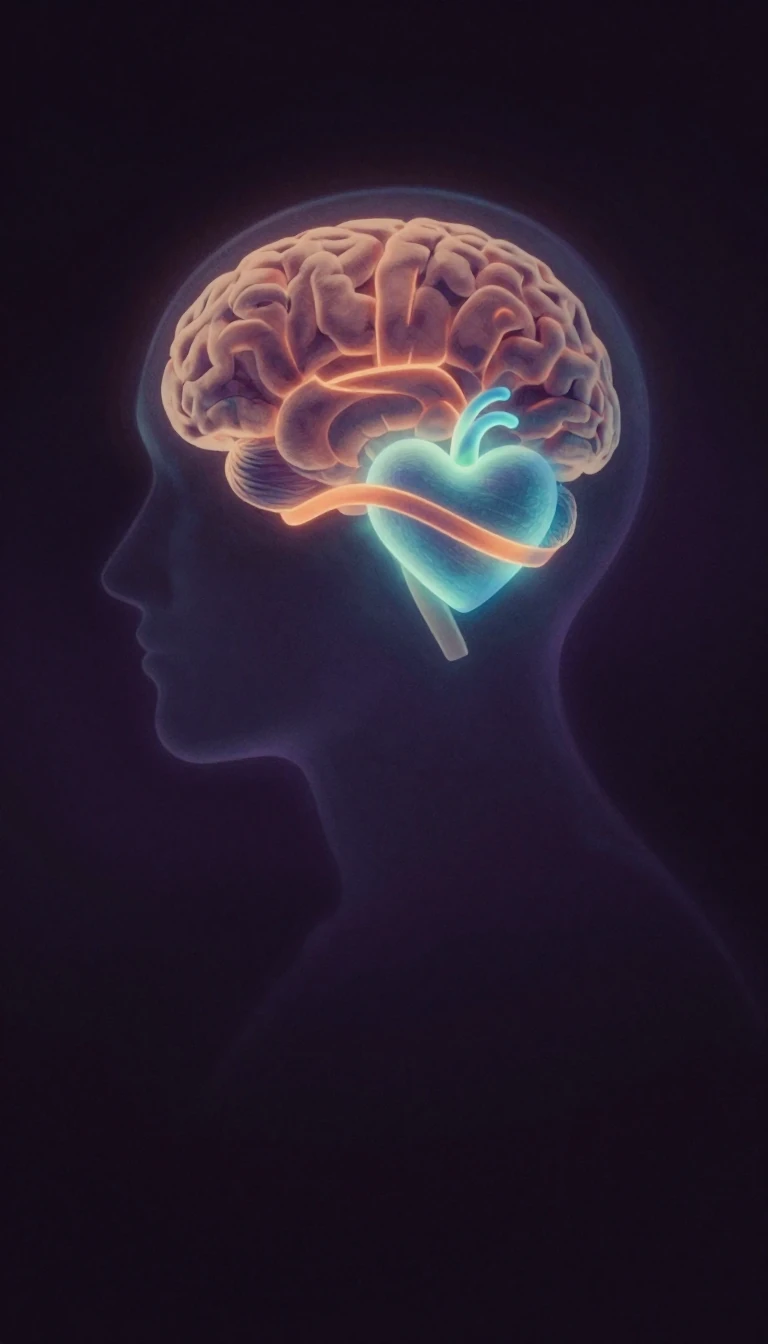
In short: By implanting a pulse generator in the chest and electrodes deep within the brain, surgeons can now disrupt the misfiring networks behind Parkinson's and other disorders. This reversible neurostimulation offers a high-tech alternative to permanent lesioning, though it requires precise, iterative programming to balance symptom relief against potential side effects.
Deep brain stimulation (DBS) functions by delivering controlled electrical impulses to specific brain nuclei, such as the subthalamic nucleus (STN), the globus pallidus internus (GPi), or the ventral intermediate nucleus of the thalamus. While the exact mechanism remains debated, it is thought to mimic the effects of a surgical lesion by disrupting pathologically oversynchronized informational flow. Unlike traditional ablation, which is permanent, DBS is reversible; the device can be deactivated or adjusted to mitigate adverse effects.
The system consists of a chest-implanted pulse generator connected by leads to electrodes in the brain. Placement is a delicate process, often involving stereotactic imaging or awake surgery where clinicians assess motor symptoms in real time. Since its introduction in the late 1980s, over 244,000 patients have received implants. While initially approved for Parkinsonian tremor in 1997, indications have expanded to include dystonia, obsessive-compulsive disorder, and epilepsy. Research is ongoing into its potential for treating conditions like depression and Alzheimer’s disease.
Choosing the right target is complex. The STN is often favored for reducing dopaminergic medication, while the GPi is frequently preferred for managing dyskinesia and preserving cognitive function. However, the procedure carries risks, including intracranial hemorrhage, infection, and neuropsychiatric changes like apathy or impulsivity. Notably, caregiver dissatisfaction remains high—sometimes reaching 60%—even when patients report motor improvement. Despite these challenges, DBS remains a cornerstone of modern neurosurgery for patients whose symptoms are resistant to standard medication.
Opens the Intellect+ feed with this card first. Swipe up for the next one.
Sources
- Summary by Intellect · source: Deep brain stimulation
- Also: DEEP BRAIN STIMULATION
- Also: New England Journal of Medicine — A Randomized Trial of Deep-Brain Stimulation for Parkinson's Disease · CC0 (metadata)
To cite this card, link to https://intellectplus.co.uk/app/technology-deep-brain-stimulation.
How we source, check and correct cards: Editorial standards.
General information, not professional advice. Spotted an error? Flag the card or see corrections and complaints.
Intellect Plus is a visual educational discovery platform for exploring fascinating facts and ideas. Brain Food, Not Brain Rot. What is Intellect Plus?
Related
More in Neuroscience · More in Health · Latest · A–Z · All topics
