Why the disc brake conquered the world of motion despite early, unreliable failures
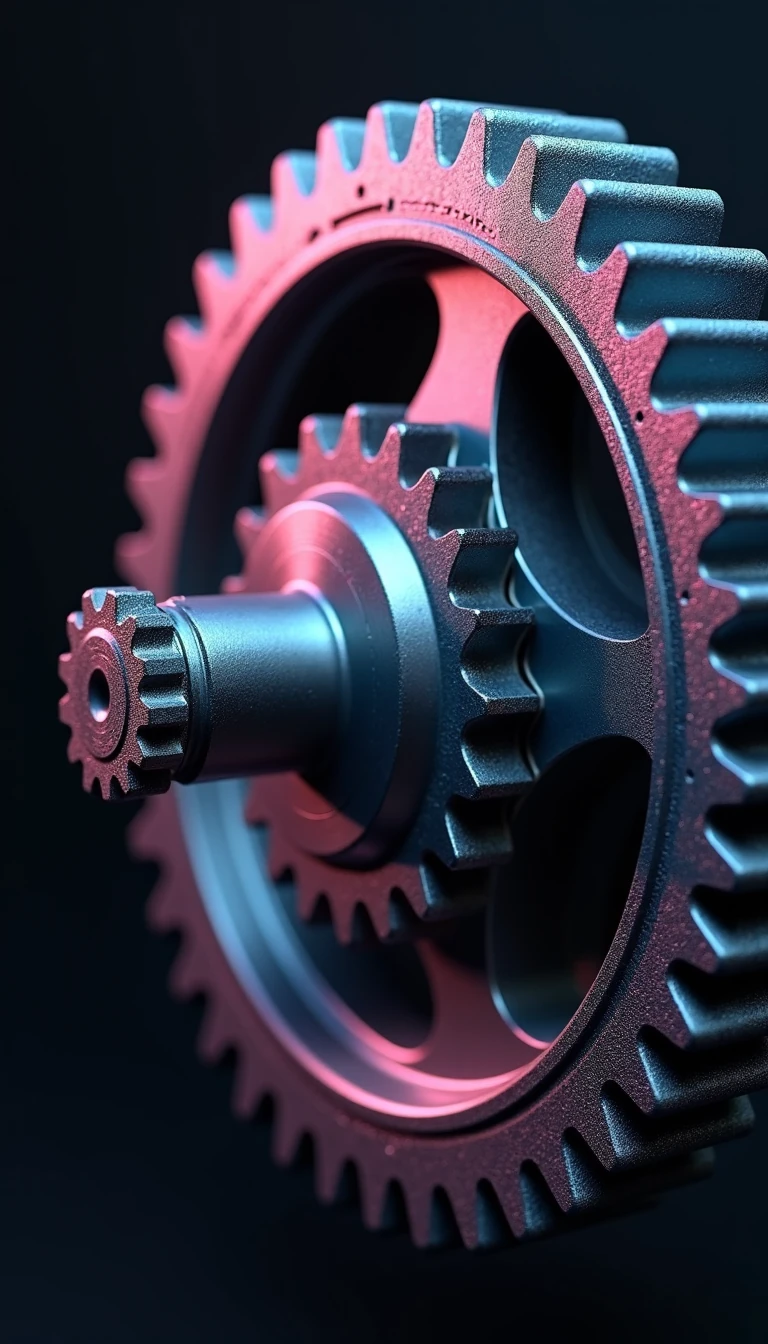
In short: Disc brakes convert motion into heat to stop vehicles, but their path to dominance was far from smooth. Early designs were often impractical, expensive, or prone to corrosion. Yet, by mastering heat dissipation and providing superior driver control, they evolved from niche racing experiments into the standard for modern transport.
The disc brake operates by using calipers to squeeze pads against a rotating disc, converting kinetic energy into heat. Unlike drum brakes, which can exhibit a self-servo effect that complicates control, disc brakes offer force proportional to applied pressure. This linear response improves driver feel and reduces the risk of wheel lockup. Furthermore, their open design allows for more effective cooling, which prevents the brake fade that occurs when components overheat, a critical advantage for heavy vehicles and high-speed racing.
Development began in the 1890s, but early iterations struggled. Frederick William Lanchester patented a caliper-type system in 1902, yet it proved impractical due to the rapid wear of copper pads on rough roads. It was not until the post-World War II era that the technology matured. The 1953 24 Hours of Le Mans served as a pivotal demonstration, where Jaguar’s disc-equipped cars outperformed rivals using traditional drums. Mass production followed, with the 1955 Citroën DS becoming the first car to feature them as a sustained, reliable standard.
Material science has since pushed the technology further. While grey iron remains the standard for passenger cars, high-performance vehicles and aircraft utilize advanced composites like carbon-carbon or ceramic matrix materials. These allow for extreme performance at high temperatures, though they often require significant heat to function effectively. Today, the design has diversified to include ventilated, drilled, and slotted discs, each engineered to manage heat, water, or debris, ensuring that whether on a bicycle or a heavy truck, the system remains the most predictable way to bring a machine to a halt.
Opens the Intellect+ feed with this card first. Swipe up for the next one.
Sources
- Summary by Intellect · source: Disc brake
To cite this card, link to https://intellectplus.co.uk/app/technology-disc-brake.
How we source, check and correct cards: Editorial standards.
General information, not professional advice. Spotted an error? Flag the card or see corrections and complaints.
Intellect Plus is a visual educational discovery platform for exploring fascinating facts and ideas. Brain Food, Not Brain Rot. What is Intellect Plus?
Related
More in Machinery and tools · More in Technology · Latest · A–Z · All topics
