The medieval military edge of the specialized horse shoe
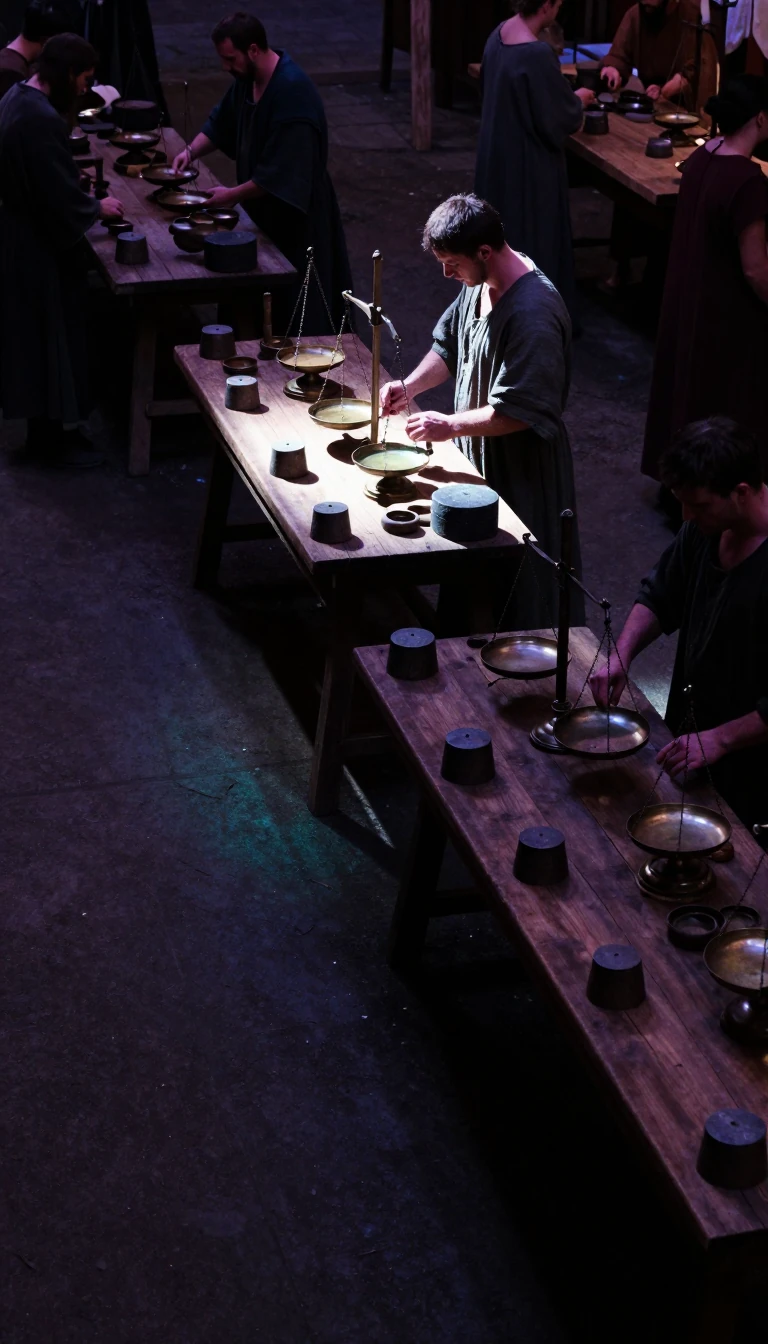
In short: Before the 14th century, shoeing horses was a side task for general blacksmiths. That changed when the craft became a specialized trade, creating a self-sufficient military machine that helped redefine the power dynamics of medieval warfare in Europe.
The transition of farriery from a general blacksmithing task to a specialized profession was a key component of the division of labor in 14th-century England. By the reign of Edward III (1327–1377), farriers were recognized as distinct tradespeople. This specialization was so significant that in 1350, a royal ordinance even regulated their wages, ensuring they did not charge more than they did before the Black Death of 1346. This era saw the emergence of the 'ferrour des chivaux' (Shoer of Horses), a court-appointed official sworn to perform the craft properly and exclusively.
This professionalization provided a massive tactical advantage during the first phase of the Hundred Years' War. Because farriers were now a dedicated trade, the English army could deploy with immense baggage trains containing their own forges. This allowed Sergeants-Farrier and their assistants to shoe horses directly in the field, creating a self-sufficient military force that contributed to England's success in France. This shift from a village craft to a mobile military infrastructure highlights how specialized labor can dictate the outcome of large-scale conflict.
While the practice of using protective hoof coverings dates back to the first century, the specific use of iron horseshoes is much later. Archaeological evidence, such as a rusted shoe found in the tomb of Merovingian king Childeric I (reigned 458–482), suggests they existed in the late 5th century. However, they were notably absent from Viking-age burials and early Frankish military records. It wasn't until around 920 AD that the first literary mention of nailed horseshoes appeared, eventually spreading from Western Europe to the rest of the continent by 1000 AD.
Opens the Intellect+ feed with this card first. Swipe up for the next one.
Sources
- Summary by Intellect · source: Farrier
To cite this card, link to https://intellectplus.co.uk/app/technology-farrier.
How we source, check and correct cards: Editorial standards.
General information, not professional advice. Spotted an error? Flag the card or see corrections and complaints.
Intellect Plus is a visual educational discovery platform for exploring fascinating facts and ideas. Brain Food, Not Brain Rot. What is Intellect Plus?
Related
More in Inventions · More in Technology · Latest · A–Z · All topics
