The film frame is more than just a picture; it is a unit of time.
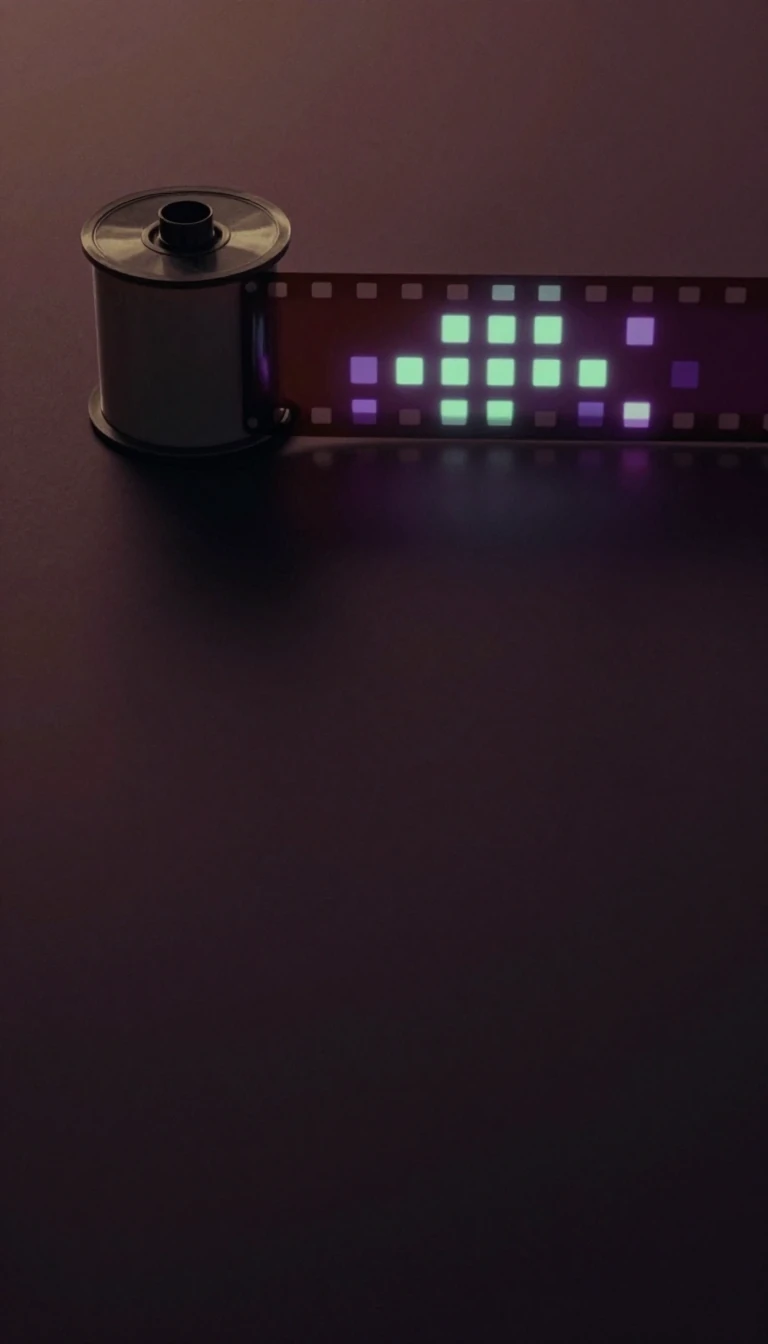
In short: A film frame is a single still image, yet it serves as the fundamental building block of motion. By flashing these images in rapid succession, we create the illusion of movement. Beyond aesthetics, the frame functions as a precise unit of time, defining how we measure and edit our visual reality.
At its core, a film frame is a single, static image captured sequentially. When displayed at rates like 24, 25, or 30 frames per second, the human brain utilizes persistence of vision to blend these images into fluid motion. Historically, this concept emerged from film stock, where individual images appeared framed when examined separately. Today, this logic persists in digital video, where frames are represented as rectangular rasters of pixels rather than analog waveforms.
The frame also acts as a temporal measurement. In production, events are often timed by the number of frames they occupy, a duration dictated by the system's frame rate. This standardization is not universal; while 24 fps remains the norm for film projection, broadcast standards vary globally. North America and Japan typically utilize 30 fps, while much of the rest of the world uses 25 fps. These variations can introduce technical complications, such as the synchronization issues found in NTSC systems, which operate at an exact rate of 29.97 fps.
Beyond technical utility, the frame serves as a canvas for narrative play. Animation, in particular, has a long history of breaking the 'fourth wall' by manipulating the frame itself. Animators have historically used devices like 'gate hair'—fake debris placed in the frame for characters to pluck—or 'split frames' to reveal the mechanics of the medium. These jokes acknowledge the artificial boundaries of the screen, turning the technical limitations of film into a tool for storytelling and meta-humor.
The physical and digital properties of the frame also dictate image quality. Resolution is determined by the number of lines and signals within a frame, a balance often constrained by cost and viewing distance. Whether it is a 4.8 by 3.5 mm amateur 8 mm frame or a massive 69.6 by 48.5 mm IMAX frame, the relationship between size and projection screen determines the sharpness of the final image. Ultimately, the frame is a compromise between technical feasibility and the viewer's perception.
Opens the Intellect+ feed with this card first. Swipe up for the next one.
Sources
- Summary by Intellect · source: Film frame
To cite this card, link to https://intellectplus.co.uk/app/technology-film-frame.
How we source, check and correct cards: Editorial standards.
General information, not professional advice. Spotted an error? Flag the card or see corrections and complaints.
Intellect Plus is a visual educational discovery platform for exploring fascinating facts and ideas. Brain Food, Not Brain Rot. What is Intellect Plus?
Related
More in Filmmaking · More in Entertainment · Latest · A–Z · All topics
