Firmware is the hidden, low-level software that bridges the gap between hardware and intelligence.
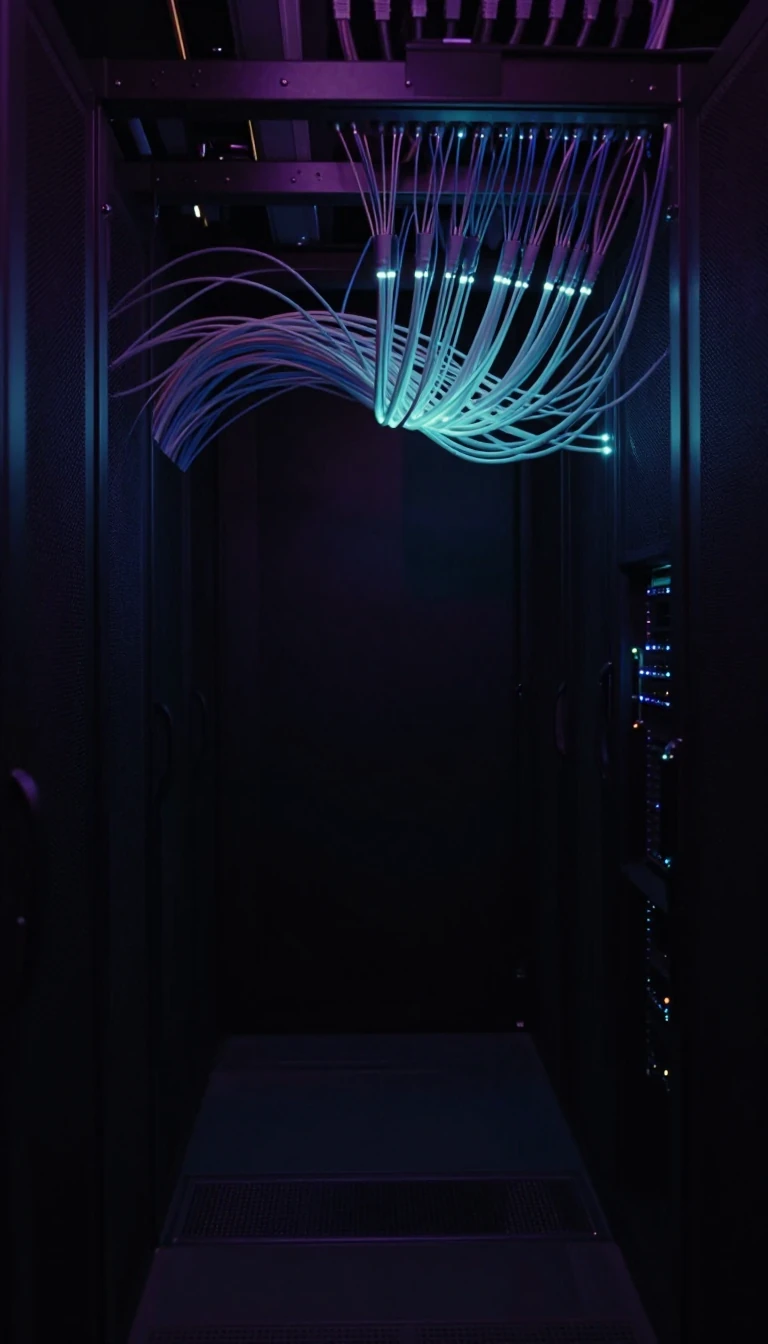
In short: Firmware is the silent operator inside your devices, from microwaves to smartphones. It provides the essential instructions that hardware needs to function, often running entirely out of sight. While it makes modern technology possible, this invisible layer has become a critical battleground for security, control, and even global espionage.
The term firmware was coined by Ascher Opler in 1967 to describe an intermediary layer between hardware and software. Originally, it referred specifically to microcode—low-level instructions that implemented machine code on a CPU. Over time, the definition expanded to encompass any program tightly bound to hardware, such as the BIOS on a PC or the control systems in a washing machine. Today, firmware is stored in non-volatile memory like flash or EEPROM, allowing it to persist even when a device is powered off.
Because firmware is essential for initiating a computer's environment, it has become a prime target for security exploits. Because it often operates with high-level privileges and is frequently closed-source, it is difficult for users to audit. Mark Shuttleworth, founder of Canonical, has famously labeled proprietary firmware a massive security risk, suggesting that its lack of transparency makes it a potential 'trojan horse' for state-level surveillance. Security researchers have documented sophisticated attacks, such as those by the Equation Group, which modified hard disk drive firmware to hide data from standard formatting tools.
The vulnerability of firmware is further highlighted by techniques like BadUSB, presented at the 2014 Black Hat conference, which demonstrated how a USB device's microcontroller could be reprogrammed to spoof other hardware and compromise a computer. While some users turn to custom, open-source firmware to unlock new features or improve security, the process of 'flashing'—overwriting existing firmware—remains a double-edged sword. It offers the ability to fix bugs and extend device lifespans, but it also provides a pathway for malicious actors to inject persistent, hard-to-detect malware into the very foundation of our digital infrastructure.
Opens the Intellect+ feed with this card first. Swipe up for the next one.
Sources
- Summary by Intellect · source: Firmware
To cite this card, link to https://intellectplus.co.uk/app/technology-firmware.
How we source, check and correct cards: Editorial standards.
General information, not professional advice. Spotted an error? Flag the card or see corrections and complaints.
Intellect Plus is a visual educational discovery platform for exploring fascinating facts and ideas. Brain Food, Not Brain Rot. What is Intellect Plus?
Related
More in Computing and information technology · More in Technology · Latest · A–Z · All topics
